
Repurposing Vacant Shopping Malls: A Blueprint for Community Renewal
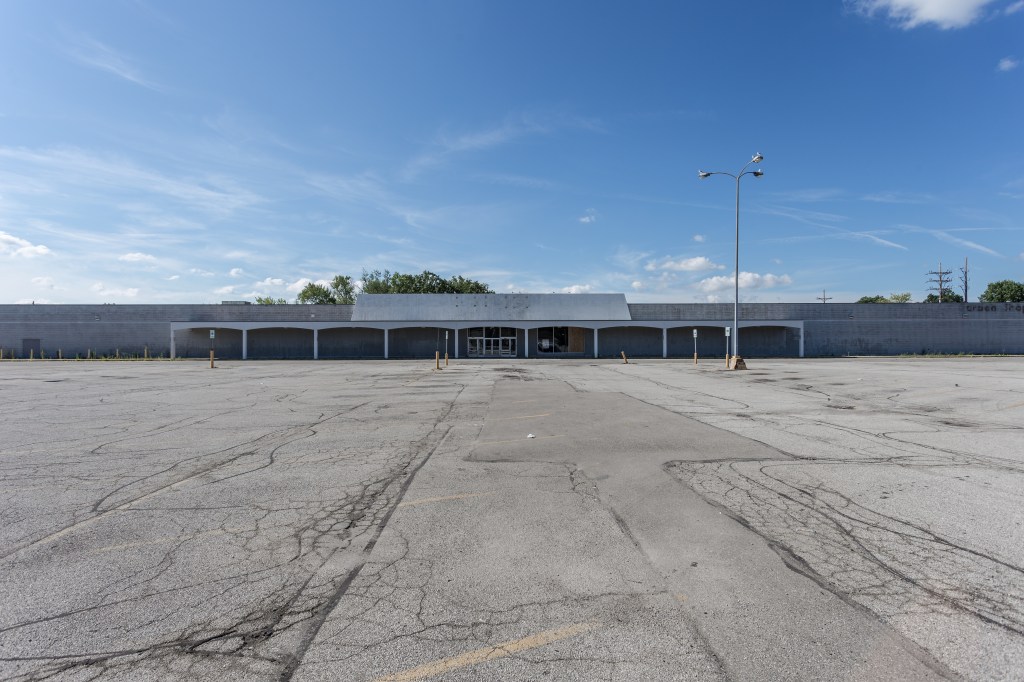
Across the country, dead mall redevelopment projects are quietly transforming vacant shopping centers from liabilities into opportunities. These sites offer built-in advantages, expansive land, ample parking, and existing infrastructure that most new developments struggle to assemble. With a thoughtful approach to property preservation during transition, a former mall can evolve into a vibrant hub for neighborhood revitalization from dead malls, attracting residents, essential services, and consistent foot traffic.
By stabilizing the mall site early, risk declines and value returns, turning yesterday’s retail relic into tomorrow’s community cornerstone. These redeveloped commercial spaces are redefining what a shopping center can be: not just retail, but a thriving mixed-use destination.
Mixed-Use Neighborhoods from Single-Use Boxes
Converting a single-use retail shell into a dynamic mixed-use destination is a proven strategy for economic revitalization and urban renewal. Through mixed-use mall conversion, developers can introduce housing above street-level services, creating activity throughout the day and fostering a sense of community. Thoughtful tenant mix and placemaking, including sidewalk-facing clinics, groceries, and cafés, keep eyes on the property, enhancing safety and engagement, while upper-floor residences provide long-term stability.
This blended approach not only energizes local neighborhoods but also strengthens local economies, broadens financing and valuation for conversions, and opens future exit strategies. For developers and investors, it’s more than a design choice; it’s a smart move toward sustainable growth.
Housing Conversions That Restore Activity: Repurposing Vacant Shopping Malls
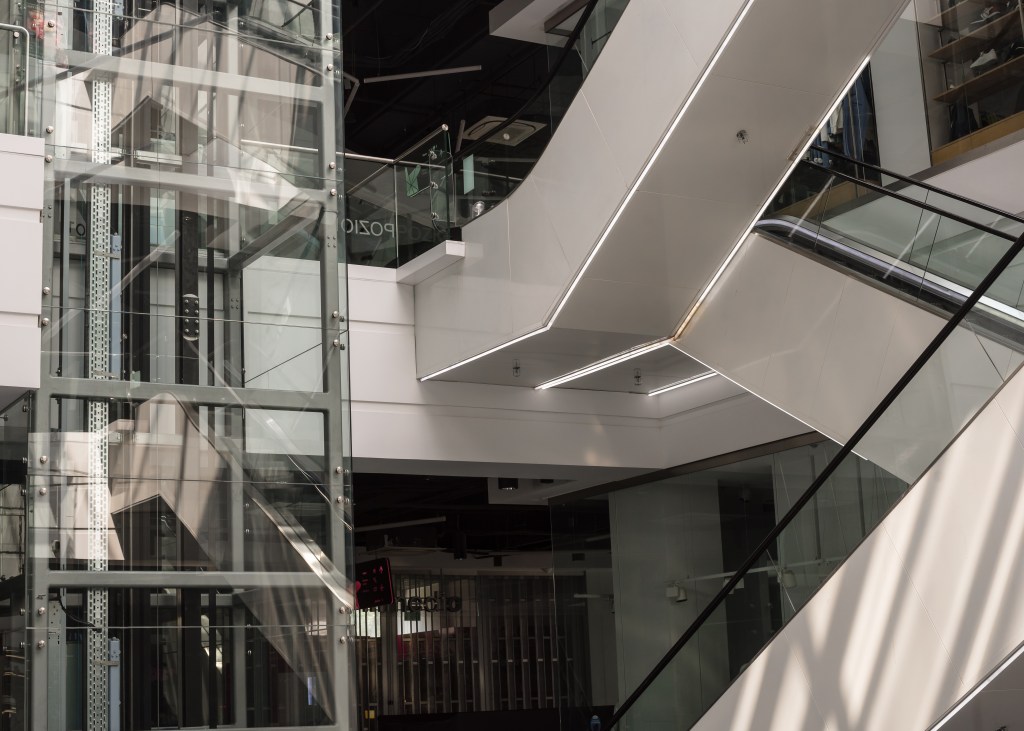
Repurposing former anchor spaces can unlock new potential for underused properties. Large floorplates and generous parking make these sites ideal for mall-to-housing conversions, including apartments, senior living, or workforce housing. Strategic anchor store reuse combined with thoughtful design, such as light courts and amenity spaces, transforms deep interiors into bright, livable homes.
These projects not only attract active residents but also drive neighborhood revitalization from dead malls, boosting property values and creating vibrant communities. While challenges exist in making these projects viable, successful conversions deliver long-term stability and economic renewal.
Health And Education Anchors: Driving Community Impact
Healthcare and education facilities present unique opportunities for repurposing former malls, especially in suburban areas where large, accessible sites are in demand. Converting these spaces into healthcare in former malls, such as clinics and outpatient centers, or creating an education campus in malls, generates predictable daytime activity and attracts strong credit tenants, ensuring financial stability for property owners.
These uses integrate seamlessly with existing road networks and public transit, making them highly accessible for patients and students alike. Their consistent occupancy not only enhances operational safety but also supports insurance readiness, contributing to steadier risk profiles. With the right funding strategies, these adaptive reuse projects can deliver long-term growth and community impact.
Logistics And Micro-Fulfillment Near Customers
Transforming underutilized back-of-house corridors and loading docks into modern logistics and micro-fulfillment centers can dramatically improve delivery efficiency. By leveraging anchor store reuse and the property’s proximity to residential neighborhoods, these conversions shorten delivery times and unlock new revenue streams while maintaining community comfort through managed routing and operating hours.
Implementing robust site security for empty malls and documented procedures ensures low loss exposure, even during construction, making this approach a smart, scalable solution for businesses seeking to meet growing consumer demand for speed and convenience. This adaptive reuse strategy offers a prime example of how vacant retail spaces can be located near customers and repurposed for long-term value.

Civic, Cultural, And Community Hubs
Repurposing large, vacant spaces into experiential and community hubs creates lasting public value. Converting dead mall footprints into libraries, courts, maker spaces, gyms, and recreation centers fosters neighborhood revitalization from dead malls and supports mixed-use development. Thoughtful tenant mix and placemaking ensures these civic and cultural destinations become vibrant anchors for engagement.
Beyond the walls, activated plazas, trails, and farmers’ markets transform empty parking lots into welcoming public spaces, while integrating housing introduces round-the-clock activity. Though challenges exist, these adaptive reuse strategies turn vacancy into opportunity, where connection and community take center stage.
Parking Lots, Zoning, Entitlements, And Local Partnerships
Aligning zoning and entitlements for redevelopment early is critical to avoiding costly redesigns once momentum builds. Clear, proactive plans for traffic flow, utilities, and open space help secure buy-in from agencies and neighbors, smoothing the path for approvals and supporting neighborhood revitalization efforts. Public-private partnerships often unlock grants and incentives that make financing and valuation for conversions more attractive, turning regulatory hurdles into opportunities for collaboration.
With retailers facing shifting consumer trends and growing demand for mixed-use spaces, these strategies ensure projects remain viable and competitive against new construction, paving the way for long-term success.
Phased Redevelopment and Interim Activation
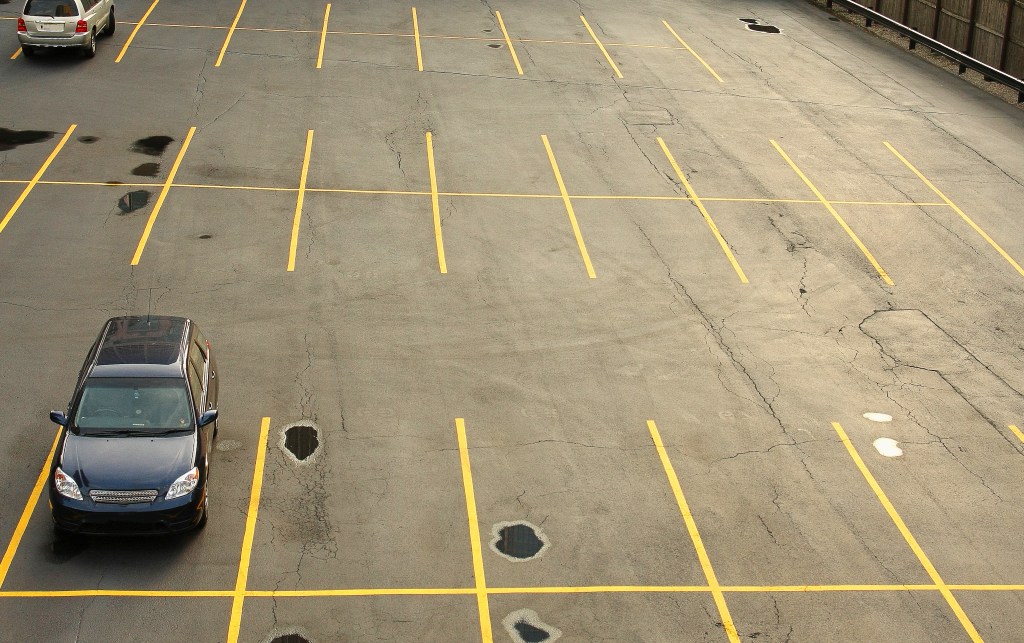
Redevelopment doesn’t have to happen all at once, implementing a phased redevelopment strategy can keep projects viable while minimizing disruption. This approach allows portions of a site to remain safe and productive during construction, supporting property preservation during transition and maintaining value.
Interim activation of vacant retail, such as markets, pop-up shops, or seasonal storage, keeps lights on, deters trespass, and sustains community engagement. Beyond operational benefits, phased planning spreads costs over time, creates early proof points for lenders, and optimizes resources.
Incorporating residential spaces and other sustainable solutions into later phases ensures long-term success and neighborhood revitalization.
Environmental And Life-Safety Considerations for Abandoned Malls
Before interior work begins, older properties often require a comprehensive environmental assessment and remediation to address moisture, mold, and legacy materials, ensuring a healthy environment for future occupants. When converting to new uses such as office space or housing units, implementing life-safety upgrades, including fire protection systems, egress routes, and lighting, is non-negotiable for compliance and safety.
Early testing and remediation not only reduce costly delays but also strengthen insurance readiness, giving confidence to lenders and investors. These steps are critical for successful redevelopment projects in many communities, setting the stage for a smooth and secure transformation.

Security, Documentation, And Insurance Readiness for E Commerce and Retail Properties
Maintaining control during tenant transitions and buildouts is essential for risk management, especially in abandoned malls and urban areas being repurposed into new life and mixed-use communities. Implementing robust site security for empty malls, controlled access, proper lighting, and dated photo logs keeps the narrative clear and organized.
Securing unused entries and scheduling predictable patrols minimizes exposure to vandalism and theft. Clean, well-documented records at each milestone, whether stabilization, demolition, or fit out, strengthen builder’s risk and insurance readiness, ensuring better coverage outcomes.
Comprehensive documentation not only protects property owners but also supports smooth redevelopment, paving the way for safer, more resilient projects.
Utilities, Systems, And Operations During Transition
Managing building systems during redevelopment is essential for property preservation during transition and risk mitigation. Right-sizing power, water, and HVAC ensures offline wings of the mall site don’t suffer hidden damage, while monitored leak sensors and clearly labeled shutoffs safeguard improvements already in place.
Implementing routine inspections catches small issues before they escalate into claims, supporting insurance readiness and operational stability. A proactive plan helps cities and developers protect assets, reduce costly surprises, and keep risk low throughout the redevelopment process, making these developments more resilient and financially viable.
Real Estate Exit Strategies and Long-Term Value
A clear exit strategy is essential for maximizing returns on redevelopment projects. Whether the goal is to hold, refinance, or sell, stabilized income and transparent operations significantly lift financing and valuation for conversions. Incorporating mixed-use mall conversion strategies and diversifying the program cushions against retail cycles, ensuring resilient occupancy and steady cash flow.
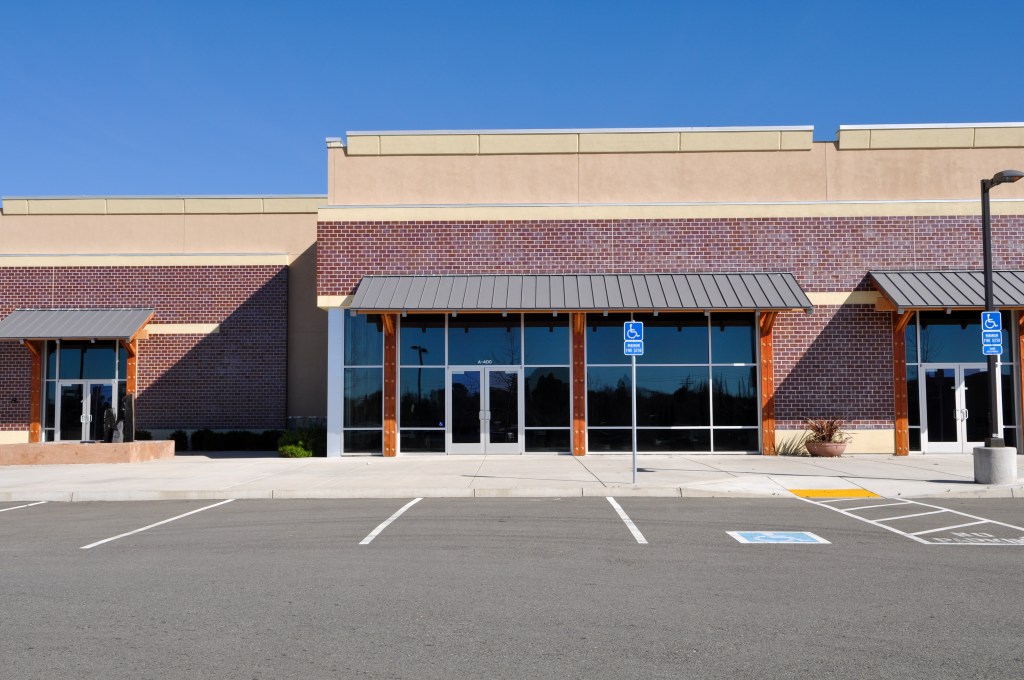
When converting malls to serve both residents and visitors, addressing housing shortages and promoting walkable urbanism, the site remains active, attractive, and insurable. These approaches not only drive neighborhood revitalization from dead malls but also create long-term value that endures well beyond the initial transformation.
Quiet Coordination That Keeps Urban Renewal Projects Forward
Successful redevelopment isn’t just about construction; it’s about orchestration and property preservation during transition. Coordinating site security for empty malls, inspections, and documentation alongside active work simplifies ownership and keeps momentum steady. A unified plan ensures contractors, tenants, and city officials operate from the same timeline and standards, reducing friction and surprises.
This behind-the-scenes alignment supports builder’s risk and insurance readiness, lowers exposure, and positions the property for durable value. From affordable housing concepts to rethinking surface parking, these steps help ensure the mall’s opening phase delivers on its promise of stability and growth for cities and developers alike.
Sources:
https://www.surfacemag.com/articles/dead-malls-repurposed/
https://www.retaildive.com/news/5-creative-ways-malls-are-repurposing-their-space/594580/
https://www.nar.realtor/research-and-statistics/research-reports/case-studies-on-repurposing-vacant-retail-malls
https://www.matthews.com/the-repurposing-of-the-american-shopping-mall/
https://knowhowell.com/breathing-life-into-dead-malls
https://www.vox.com/the-highlight/24075581/housing-conversions-stripmalls-affordable-supply
