
Essential Flood Readiness for Empty Homes: Tips and Strategies

When a property sits vacant, even a minor flood can escalate into a major problem. Without anyone present to move belongings, shut off utilities, or call for help, water damage can linger unnoticed for days, leading to structural issues, mold growth, and costly repairs. That’s why flood readiness for empty homes isn’t just a good idea; it’s essential.
Proactive steps in vacant home flood preparedness and vacant house flood mitigation safeguard your investment, maintain its future rental or resale value, and help ensure you can secure affordable coverage through the National Flood Insurance Program (NFIP). Planning today, such as purchasing flood insurance and reviewing your flood insurance policy, means peace of mind tomorrow.
Start With Maps: Understanding Your Property’s Real Flood Risk
Before investing in sandbags or pumps, start by understanding your home’s actual exposure to a flood event. Using flood risk maps for homeowners, local government resources, and historical event reports provides up-to-date information about whether your property is vulnerable to river overflow, heavy rainfall, storm surge, or drainage issues.
A quick flood zone check for property ensures you’re not guessing when it comes to risk. Once you know how water moves through your area, including vacant buildings that may redirect water, you can create a seasonal flood readiness routine, identify evacuation routes, and focus your budget on the defenses that matter most, saving time, money, and stress.
Know Your Coverage: Flood Damage Insurance and Vacant Property Rules
Flood damage is often excluded from standard property policies, and vacancy can change how coverage applies, making it critical to review your insurance details. Confirm whether your empty home has dedicated flood insurance for vacant property and check for waiting periods or maintenance requirements that could affect claims.
Incorporating vacant home flood preparedness into your plan ensures you meet policy expectations and avoid surprises. If flooding does occur in flooded areas, documenting flood damage for claims thoroughly can make the difference between a smooth payout and a costly denial. Stay aware of your property’s risk level, whether it’s in a low-risk zone or near higher ground, and know your evacuation routes. A quick review now protects your investment and your peace of mind.
Shaping The Land: Drainage, Grading, and Keeping Water Moving
Even small exterior improvements can play a crucial role in protecting your home from flood damage. Proper exterior drainage and grading ensure soil slopes away from the foundation, while downspouts should carry water several feet from the walls. Clear yard drains of leaves and debris to keep water flowing freely.
For vacant buildings, these simple steps are a powerful form of flood protection, working quietly for months without anyone on-site. If possible, move valuable items to higher floors and confirm that any damaged or worn materials are repaired or replaced promptly. Incorporating these checks into your seasonal flood readiness routine enhances safety, safeguards your investment, and reduces long-term damage risks.
Sealing The Envelope: Doors, Windows, and Garage Protection
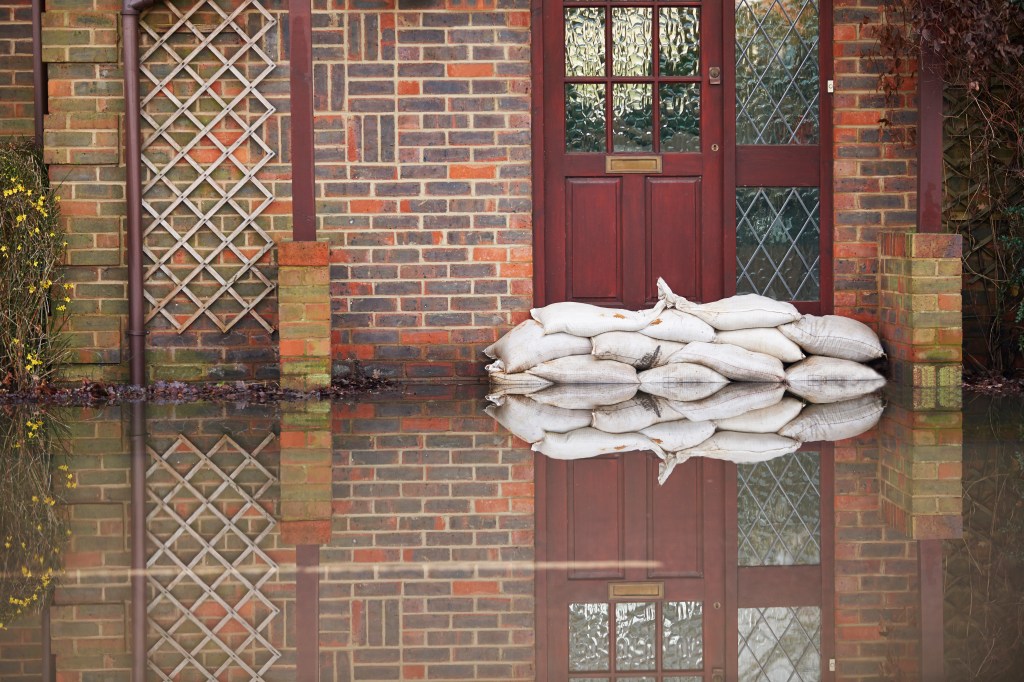
When water starts to rise, exterior doors, low windows, and garage doors are often the first points of entry. Adding weatherstripping, adjusting thresholds, and installing simple barriers can provide crucial protection during heavy rain or minor flooding. For homes with a history of garage water intrusion, determine the best approach, such as sandbags and temporary flood barriers, that you or a local contact can deploy quickly.
These measures are an essential part of vacant house flood mitigation, helping keep the structure secure even when no one is on-site. Make sure you have the necessary supplies ready and incorporate doors and windows flood protection into your plan to save thousands in repairs and preserve your home’s long-term value.
Basements, Crawlspaces, and Sump Pump Defense
If your vacant home contains household equipment or construction features like a basement or crawlspace, these areas are often the first to experience water intrusion. Effective flood protection begins with replacing or installing a reliable sump pump, equipped with a tested float switch and a backup power source to keep it running during outages.
Sealing visible cracks, checking floor drains, and ensuring discharge lines remain clear can transform the lowest level from a hidden liability into a managed risk. Incorporating these steps into your vacant home flood preparedness plan helps prevent costly damage and keeps your property secure even when no one is on-site.
Plumbing and Backflow: Keeping Sewage Out of an Empty Home
Flooding isn’t always clean rainwater; overloaded sewer systems can push contaminated water back into your property. Installing a backflow valve and ensuring properly capped cleanouts are essential steps in plumbing flood protection. Confirming trap seals, checking for leaks, and inspecting heating equipment further reduces the risk of wastewater entering through drains or toilets when no one is around.
For vacant properties, these small plumbing and heating details are critical services for flood mitigation, often making the difference between a simple recovery and a full-scale gut job. Taking these precautions helps protect residents when they return and ensures your property remains safe and functional.
Protecting Mechanical Components, Electrical Systems, Appliances, and Utilities

Flooding isn’t always clean rainwater; overloaded sewer systems can push contaminated water back into your property. Installing a backflow valve and ensuring properly capped cleanouts are essential steps in plumbing flood protection. Confirming trap seals, checking for leaks, and inspecting heating equipment further reduces the risk of wastewater entering through drains or toilets when no one is around.
For vacant properties, these small plumbing and heating details are critical services for flood mitigation, often making the difference between a simple recovery and a full-scale gut job. Taking these precautions helps protect residents when they return and ensures your property remains safe and functional.
Power, Alarms, and Remote Monitoring During Flood Season
Even when a home is empty, technology can keep you informed and reduce risk. Installing remote flood monitoring tools like water sensors, smart plugs, and integrated alarm systems ensures you receive alerts if water is detected, power is lost, or a sump pump stops working.
For owners who live far from the property, this early warning system is a vital part of vacant home flood preparedness, aligning with Federal Emergency Management Agency (FEMA) recommendations for proactive risk management.
These measures give you time to call a contractor, neighbor, or local service before minor issues escalate into major damage, helping you recover faster and protect your investment.
Pre-Flood Checklist: Steps To Take When A Warning Is Issued
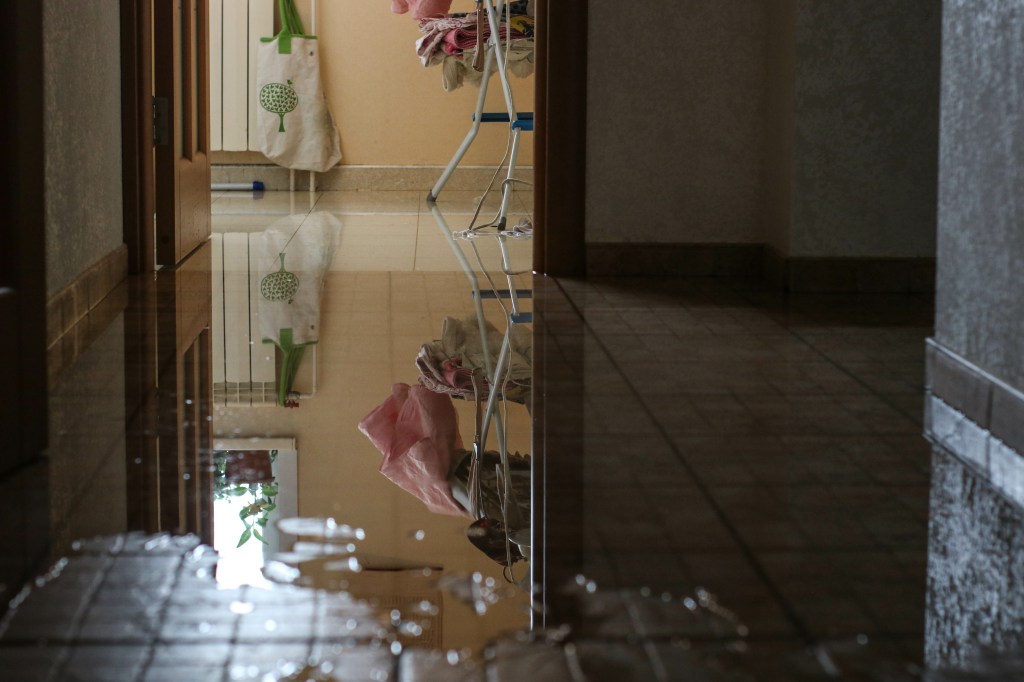
When heavy rain or river flooding is forecast, a clear pre-flood home checklist can prevent last-minute stress and costly damage. Start by reviewing FEMA flood maps to understand your property’s risk and confirm its base flood elevation. Move any stored items off the lowest level, check sump pumps for proper operation, and clear downspouts to keep water flowing away from the foundation.
Stage sandbags and temporary flood barriers at doors, low windows, and garage entries for quick deployment. If you can’t be on-site, an emergency contact plan for vacant homes ensures a trusted local contact can follow the same steps, keeping your property protected and helping you recover faster.
For added security, verify your coverage through the National Flood Insurance Program or your insurance exchange to avoid unexpected losses.
After The Water Recedes: First Look at a Vacant Home
Once it’s safe to return, a calm, systematic walkthrough is essential to assess the damage. Begin outside by inspecting the foundation, siding, and utility connections before moving indoors to check floors, walls, and ceilings for staining, warping, or soft spots. Use a post-flood inspection checklist to stay organized and avoid missing critical details.
As you go, take clear photos and short notes, documenting flood damage for claims is vital for insurance and contractor estimates. These steps are a key part of disaster preparedness for vacant houses, helping you turn a chaotic situation into a manageable recovery plan.
Drying, Cleaning, and Fighting Mold in an Empty House
Floodwater often leaves behind hidden moisture that lingers inside walls, under floors, and in tight spaces long after surfaces appear dry. Effective mold and moisture control after a flood starts with portable fans, dehumidifiers, and strategic removal of damaged materials to prevent dampness from becoming a breeding ground for mold.

Acting quickly, even from a distance by authorizing a local professional, can turn a potential disaster into a manageable repair. These steps are essential for vacant house flood mitigation and complement your basement and crawlspace flood protection strategy.
Inspect electrical panels and water heaters for damage to ensure safety and restore well-being in the property, keeping it structurally sound and ready for recovery.
Using Documentation to Support Claims and Future Decisions
Every photo, receipt, and note you gather after a flood tells the story of what happened and how you responded. That documentation is critical for documenting flood damage for claims, helping insurance adjusters evaluate your situation fairly and speeding up the process.
For owners with flood insurance for vacant property, keeping these records organized also provides leverage with insurers and clarity for future planning. Reviewing what worked and what didn’t can guide your next seasonal flood readiness routine, ensuring smarter mitigation upgrades and stronger protection for your investment.
Building A Reusable Flood Protection and Readiness Routine for Vacant Properties
The most effective flood plans are those you can repeat season after season with minimal effort. By creating a seasonal flood readiness routine that includes maps, checklists, contact lists, and prioritized upgrades, you turn preparation into a simple habit rather than a scramble. Reviewing this routine once or twice a year adds a quiet layer of protection around your property.
For owners focused on disaster preparedness for vacant houses, this consistency reduces surprises and strengthens resilience. Over time, a strong vacant home flood preparedness plan keeps your property ready for whatever comes next, whether that
Sources:
https://www.marsh.com/content/dam/marsh/Documents/PDF/marsh-tp/PlanningFloodChecklist.pdf
https://your.kingcounty.gov/dnrp/library/water-and-land/flooding/before-during-after/1001-flood-preparation-english.pdf
https://cityhopedisasterrelief.org/2025/02/03/checklist-for-flood-and-fire-preparedness-in-informal-settlements/
https://www.nytimes.com/wirecutter/guides/flood-proofing-my-old-house/
https://www.bagladyinc.com/blog/flooding-every-spring-year-round-emergency-preparedness-planning/
https://www.habitat.org/our-work/disaster-response/disaster-preparedness-homeowners
