
The Essential Vacant Commercial Kitchen Shutdown Checklist for Success
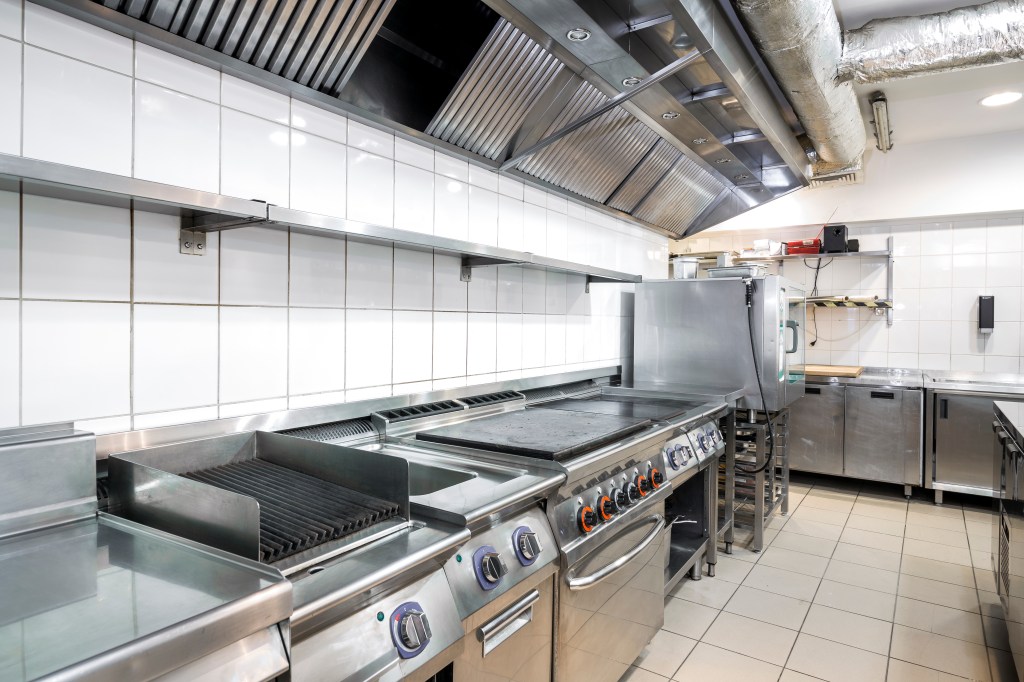
When a commercial kitchen transitions from “closed for the night” to sitting vacant for weeks or months, the risks tied to daily kitchen operations don’t pause, they multiply. Gas lines, grease systems, water supplies, electrical loads, and core appliances all behave very differently in an unattended space, and one missed step can quickly turn a routine shutdown into an expensive claim. That’s why taking responsibility for a structured shutdown is so crucial.
A vacant commercial kitchen shutdown checklist replaces guesswork with a deliberate, repeatable process that secures critical systems in the right order and supports compliance with vacant commercial property insurance requirements. In an empty building, the importance of that methodical approach can’t be overstated, it’s often the difference between preserving a clean, insurable asset and inheriting a preventable disaster.
Nightly Close Versus Long-Term Shutdown: Why the Steps Are Different
The checklist your staff uses every night is built for spaces that will be occupied again in a few hours, but a long‑term closure demands a very different approach to ensure the kitchen is properly shut down. Nightly closing tasks focus on surface cleaning, basic power‑downs, and resetting food prep areas for the next shift, with the assumption that any issue will be caught quickly. When a kitchen will sit dark for weeks or months, those routines fall short. Equipment power states change, gas and water supplies must be secured differently, and the building must be protected without daily oversight, responsibilities that go far beyond routine closing tasks.
In that context, what’s “good enough” overnight, leaving lines pressurized, systems on standby, or minor leaks unresolved, can quietly escalate into serious damage or compliance problems. Owners need to recognize that long‑term closure brings new closing responsibilities: it’s not just a deeper clean, but a deliberate reset of risk that supports safety, insurance expectations, and code compliance when no one is coming in tomorrow to catch a problem early.
First Priority on the Kitchen Closing Checklist: Gas Lines, Pilots, and Open Flames
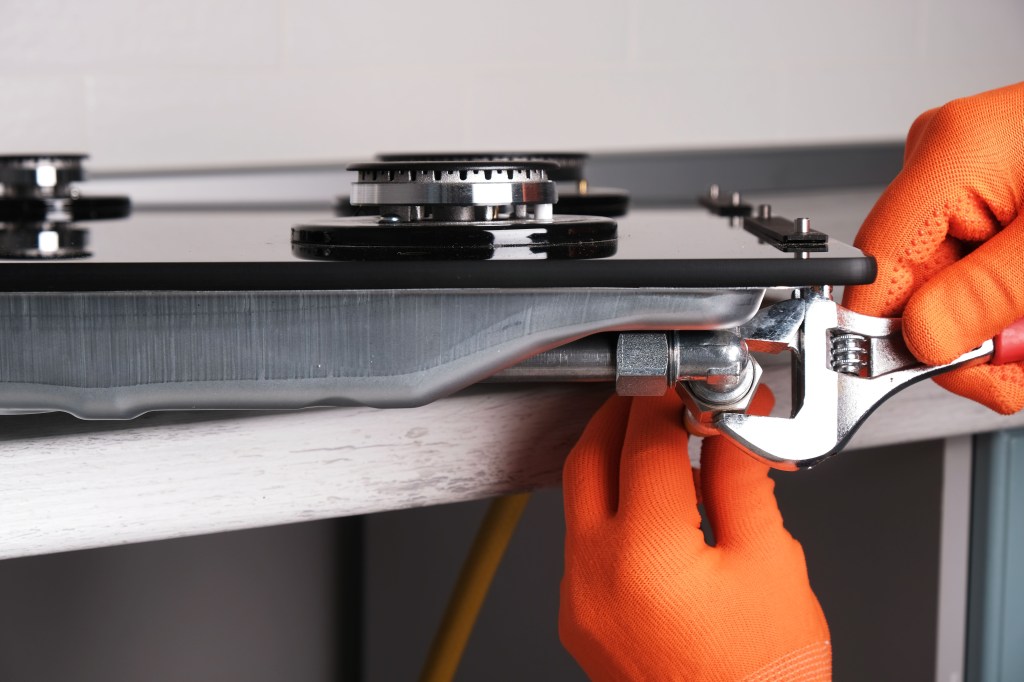
The first priority in any long‑term kitchen shutdown is eliminating the most serious hazards, gas supply, pilots, and open flames, since even a small gas leak can lead to fires, explosions, or costly repairs in a vacant building. The process should begin with turning off each appliance at its individual control, fully extinguishing all pilot lights, and then closing the main gas valves in accordance with local code and manufacturer guidance.
This deliberate, step‑by‑step sequence matters: skipping steps or assuming a valve is already closed increases the risk of an undetected leak in an unattended space. At the same time, any perishable food items should be removed from both visible areas and storage to avoid spoilage and odors that can mask early warning signs. Clearly labeling all gas shutoff locations, especially in visible areas, and keeping a simple written log of what was shut down, when, and by whom helps future staff understand the system status and supports insurance documentation.
Together, these measures show that fuel systems were responsibly secured, reducing fire risk and preventing avoidable damage while the kitchen sits vacant.
Grease Everywhere: Hood Cleaning, Ducts, Traps, Fryers and Kitchen Equipment
Grease doesn’t stop being flammable just because the burners are off and the doors are locked, which is why thorough cleaning plays a crucial role in any long‑term kitchen shutdown. Before a commercial kitchen goes dark, grease buildup must be addressed everywhere it hides, not just in visible areas, but deep within hood systems, ductwork, fryers, and grease traps. Scheduling professional hood and duct service, fully draining and cleaning fryers, and emptying and servicing grease traps helps prevent residue from hardening and becoming a hidden hazard.
This level of cleaning is essential for meeting grease buildup safety standards, significantly reducing the risk that a minor electrical fault, residual heat, or unauthorized access could ignite a fire in an unattended space. Just as importantly, removing accumulated grease demonstrates responsible shutdown practices that align with fire codes and insurer expectations, reinforcing that the kitchen was secured properly before being taken offline.
Dish Area and Drains: Dry, Clean, and Ready to Sit
The dish area is another place where small oversights can turn into big problems once a kitchen is vacant, which is why draining and sanitizing dishwashers and sinks is a critical part of deep cleaning before shutdown. Dish machines, three‑compartment sinks, and floor drains can quickly become sources of mold, odors, and hidden moisture damage if they’re left wet or contaminated with food waste.

Before closing the space long term, dishwashers should be fully drained, filters removed and cleaned, and interior surfaces thoroughly wiped down, just as refrigeration units should be cleared of perishables to prevent spoilage that can spread odors into adjacent areas. Sinks and floor drains should be flushed to remove debris, while trash cans are emptied, cleaned, and removed or left sanitized and dry. Where appropriate, machine doors, access panels, or hatches should be propped slightly open to allow air circulation.
In a vacant building, this careful approach helps prevent leaks, eliminate standing water and food particles, and reduce the risk of pests or costly damage developing behind locked doors.
Cold Storage: Walk-Ins, Freezers, and Refrigeration Lines
Walk‑in coolers and freezers require special attention before a kitchen enters a long dark period, and clear walk‑in cooler and freezer shutdown steps help prevent cold‑storage issues from spreading throughout the building. The process should begin with removing all food, followed by deep cleaning before kitchen shutdown, including sanitizing interiors, shelving, and door gaskets.
From there, owners need to make a deliberate choice: either keep units running at proper temperatures with monitoring in place, or fully shut them down, secure or disconnect refrigeration lines as appropriate, and prop doors open to allow airflow. Leaving spoiled food or trapped moisture inside a sealed walk‑in can quickly lead to mold and odors that turn into a costly remediation project.
By contrast, clean, dry, odor‑free cold rooms support a responsible maintenance schedule for dormant kitchen equipment and leave a much stronger impression on future tenants, buyers, and insurance underwriters evaluating the space.

Powering Down Equipment Without Creating New Risks
When a kitchen goes vacant, powering down equipment isn’t about flipping every switch and hoping for the best, it’s about making intentional decisions that ensure safety while reducing risk. When shutting off utilities in vacant restaurants, nonessential cooking equipment and small appliances should be powered down first at the device level, then secured at the breaker to eliminate idle heat and electrical load that can contribute to a grease fire.
Special attention should be paid to equipment near storage areas, where residual grease, dust, or combustibles can quietly increase fire exposure. At the same time, certain systems should remain energized, including minimal lighting for inspections, security and fire alarms, and designated outlets that support monitoring or building controls.
This balanced approach is a core part of any building shutdown checklist for empty properties, reducing commercial kitchen fire risk while preserving visibility, security, and oversight. For vacant property owners, a thoughtful power‑down strategy clearly shows that risks were actively managed, not simply abandoned, during the shutdown period.
Regular Cleaning to a Higher Standard: Not Just “Good Enough”
A long‑term shutdown is the ideal moment to make sure a commercial kitchen is properly shut, going well beyond the minimum requirement of nightly cleaning. Instead of stopping at visible surfaces, a true kitchen closing checklist should drive deep cleaning in overlooked areas, behind and under heavy equipment, inside cabinets and drawers, along ceiling vents, and in corners where grease, crumbs, and dust quietly accumulate.
This process should also include emptying, washing, and removing or securing recycling bins so residual food and moisture aren’t left behind during extended downtime. Bringing the kitchen to this higher standard reduces hidden fuel loads that contribute to fire risk, limits pest attraction, and prevents lingering odors.
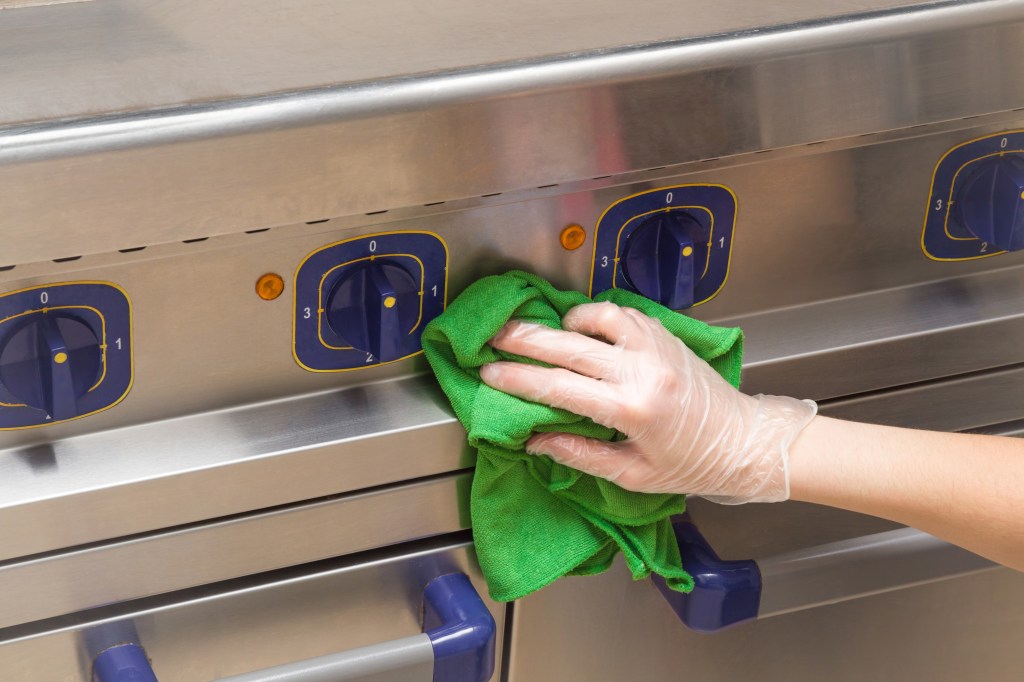
Just as importantly, documenting this level of care shows inspectors, brokers, and insurers that the space wasn’t merely closed, but responsibly maintained while dark, demonstrating that the shutdown exceeded the minimum and reflected active ownership rather than neglect.
Pest Prevention: Sealing The Buffet, You Can’t See
Once the food and trash are gone, the next critical step is preventing pest infestations, essentially sealing the buffet you can’t see. In a vacant kitchen, rodents and insects will aggressively search for remaining access points and sheltered nesting areas, even after obvious food sources are removed.
That’s why steps like draining and sanitizing dishwashers and sinks, flushing lines with hot water, and leaving the space truly restaurant clean are so important. Gaps around pipes and conduit should be sealed, door sweeps inspected and repaired, floor drains secured with proper covers, and soft materials such as cardboard, mats, or unused packaging removed or thoroughly cleaned. These actions do more than stop pests; they protect wiring, insulation, and finishes from damage while demonstrating active care of the property.
For vacant property owners, being able to say “we eliminated food sources and sealed entry points” clearly supports a lower‑risk profile when explaining conditions to insurers and other stakeholders.
Fire Prevention During Vacancy: Suppression Systems, Alarms, and Codes During Vacancy
Even during a vacancy, fire protection systems don’t get a pass, especially given the elevated commercial kitchen fire risk in vacant buildings. Hood suppression systems, portable fire extinguishers, and building fire alarms must continue to meet inspection schedules, testing requirements, and legal standards, even when no cooking is taking place.
Owners should verify that inspection tags are current, document any shutdown‑related changes, and confirm that alarm monitoring contacts and escalation procedures remain accurate and active. Allowing these systems to lapse during a shutdown can quietly undermine code compliance during long‑term kitchen closure and create red flags for underwriters.
Maintaining fire suppression and alarm protections during vacancy signals to inspectors and carriers that the space still meets vacant commercial property insurance requirements and hasn’t been allowed to drift out of compliance simply because the kitchen is dark.
Doors, Waste, and Delivery Areas: Securing the Back-Of-House
When a restaurant goes dark, the back‑of‑house often becomes the most vulnerable part of the property, which is why it deserves special attention on any kitchen closing checklist. Rear doors, delivery bays, and waste enclosures should be treated as priority security zones, with quality locks, reinforced hardware, and clearly secured entry points.
Before the final lockup, kitchen staff should remove and properly store loose cooking utensils, clear the kitchen floor of debris or movable items, and confirm that equipment near service corridors, such as fryers, ovens, and ranges, is powered down, locked out, or otherwise protected from tampering. Unnecessary bins, pallets, and loose materials should be cleared away to eliminate hiding places, while grease and garbage containers are fully emptied, cleaned, and stored correctly.
A clean, organized, and well‑secured back‑of‑house not only discourages break‑ins and pests, but also avoids the visual signals of abandonment, reinforcing that the kitchen was responsibly closed even when no one is working inside.

Documenting The Shutdown So You Can Prove It Later
A strong vacant commercial kitchen shutdown checklist doesn’t end when the last light is switched off, it ends when you can prove what you did through clear records. Owners should take dated photos of key areas such as hood systems, gas shutoff valves, electrical panels, walk‑ins, and the dish area, then pair those images with a simple one‑page checklist noting which systems were shut down, cleaned, serviced, or inspected.
This type of documenting shutdown procedures for insurers doesn’t need to be complicated, clarity and completeness matter more than volume. Having that file on hand can be invaluable if there’s ever a claim, an inspection, or questions tied to vacant commercial property insurance requirements. In a vacant building, written and visual proof turns responsible shutdown actions into defensible, verifiable risk management.
Seasonal Businesses: Ongoing Check-Ins and The Path to Restart

A shut‑down kitchen doesn’t mean a forgotten kitchen, especially for seasonal businesses where closure and restart are part of normal operations. Periodic inspections are essential to keep a clean shutdown from turning into a costly surprise. Routine walkthroughs should include checking for leaks, odors, pest activity, or signs of tampering, while also confirming that countertops, storage areas, and equipment surfaces remain clean and undisturbed. Maintaining proper air circulation, inspecting windows and doors for security or moisture issues, and verifying that monitoring technology and alarms are functioning as intended all help preserve the space during downtime.
Where manufacturer guidance allows, briefly cycling fans or select equipment can support a smart maintenance schedule for dormant kitchen equipment, preventing seals from drying out or components from seizing. When it’s time to reopen, that same shutdown checklist becomes a clear roadmap for restart, guiding gas, grease, power, and life‑safety systems back online in the right order. With consistent check‑ins and a documented process, owners can avoid delays, reduce headaches, and bring the kitchen back to life safely and confidently.
This article is intended for informational purposes only and you should not interpret anything contained in it as legal advice. J.H. Ferguson & Associates, LLC, its parents, affiliates, and anyone connected with them are not responsible or liable in any way for your use of the information contained in or linked to from this article. Reliance on the information provided in this article is solely at your own risk. If you have questions about property laws or any of the topics addressed in the article, you should contact an attorney or subject-matter expert.
Sources:
https://www.exceedinsurance.com/blog/restaurant-night-closing-checklist/
https://www.zensurance.com/blog/what-you-need-to-know-about-vacant-commercial-property-insurance
https://klamath.org/wp-content/uploads/2020/03/Building-Shutdown-Checklist.pdf
https://serviceplususa.com/service/how-to-prepare-your-commercial-kitchen-for-a-shutdown/
https://www.caterkitservices.com/news/commercial-kitchen-shut-down-tips
