
Understanding Short Term Vacancy Endorsement: What You Need to Know
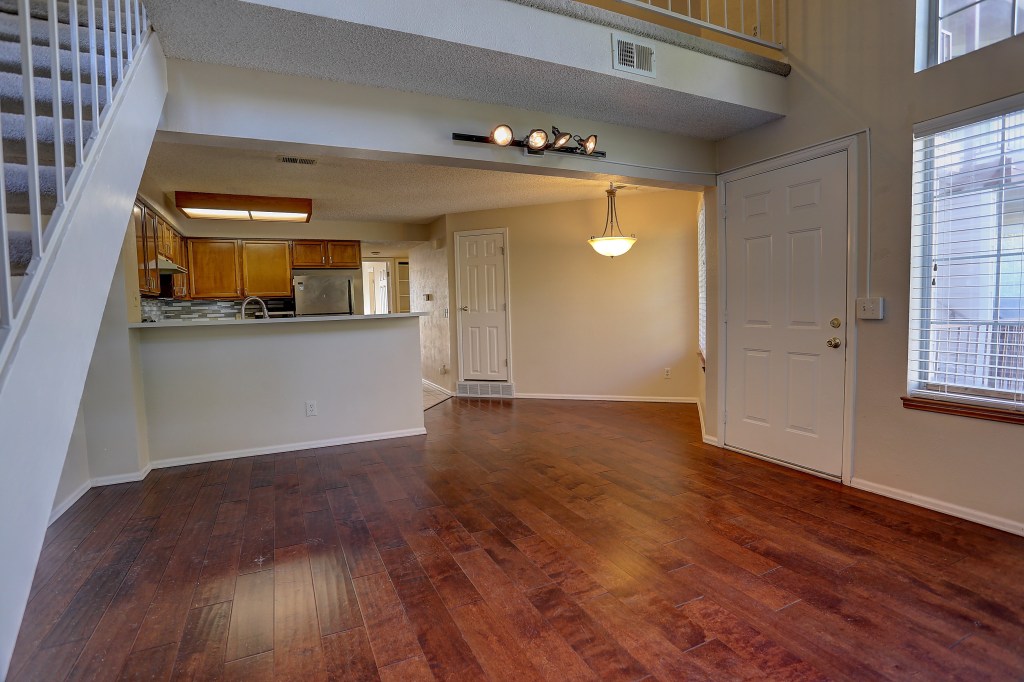
When a tenant moves out, it’s easy to assume your current coverage simply carries on unchanged until the next lease begins, but coverage between tenants often works very differently, especially for unoccupied homes. That in‑between period can quietly change the rules, as many standard policies reduce or restrict protection once a property has been empty for more than a short time, sometimes more than a month.
This is where having the right coverage, such as a short‑term vacancy endorsement, becomes critical, helping owners avoid coverage gaps between tenancies while a unit sits empty. Whether the vacancy lasts a few weeks or stretches longer than expected, this transition period is often one of the riskiest times for uncovered losses, making advance planning essential rather than optional.
When a Rental or Home Officially Becomes Vacant Under a Homeowners Policy
Insurance policies usually draw a clear line between a home that’s temporarily unoccupied and one that’s officially considered vacant, and that distinction has a direct impact on vacant home insurance cover, especially over an extended period without occupants. An unoccupied home typically still has furniture and active utilities, with a clear intent for someone to return, which is why insurers often treat it differently.
A vacant property, by contrast, has no residents and often little to no contents, and many insurers classify it as vacant after a specific number of consecutive days. Once that threshold is crossed, standard coverage may be reduced or restricted unless changes are made. This is why it’s important to speak with your insurance agent early to confirm how long your home can remain empty and whether additional coverage or endorsements are needed.
Understanding when a property officially becomes “vacant” helps ensure the right protection stays in place before coverage changes during a longer vacancy.
What A Short-Term Vacancy Endorsement Usually Does (and Doesn’t) Do

A short-term vacancy endorsement is designed to temporarily extend or restore key insurance protections while a rental or home sits empty, helping protect unoccupied properties during a time when standard policies often scale back coverage. This type of vacant property endorsement may preserve protection for risks such as fire, vandalism, or weather-related damage and can also clarify how personal property left on-site is treated while the home is vacant.
That said, it’s not a blanket guarantee against every loss. Most endorsements still require owners to maintain basic upkeep, put appropriate security measures in place, and take reasonable steps to prevent damage. Think of a short-term vacancy endorsement as a safety net during a high-risk transition period, not a reason to let the property sit unattended, but an added layer of protection alongside responsible property management.
Vacancy Clauses: What Happens If You Don’t Notify Your Insurance Company
If you do nothing when a property becomes vacant, the consequences often stay hidden, until a claim brings them to light. Most insurance policies include vacancy provisions that can significantly change how a vacant home insurance policy responds after a set number of days without occupants, even while premiums continue to be paid.

Once a building is empty, what would normally be a covered loss, such as fire, vandalism, water damage, or glass breakage, may be limited or excluded altogether. The real risk isn’t just higher costs or added paperwork; it’s discovering too late that a claim is only partially covered or fully denied because the insurer was never informed of the vacancy.
Addressing vacancy rules early and adjusting coverage as needed is one of the most effective ways to avoid painful gaps in protection when a loss happens at the worst possible time.
Short-Term Vacancy Endorsement Vs Full Vacant Property Policy
Sometimes a brief gap between tenants can be handled with a simple adjustment through your current insurer, while other situations call for a more comprehensive solution. Short‑term vacant home insurance, often added as an endorsement, works well for defined, temporary gaps of a few weeks or a couple of months, when a new tenant is expected soon and the property doesn’t yet face significantly more risk.
Among broader coverage options, a full vacant home policy is better suited for properties that may sit empty longer, undergo major renovations, or face increased exposure to vandalism, weather damage, or costly repairs.
When evaluating insurance for homes between tenants, the smartest approach is to match the coverage to the realistic vacancy timeline rather than defaulting to the cheapest option upfront. Aligning the right policy with the actual risk helps ensure protection keeps pace with reality—not assumptions.
Maintaining Liability Coverage: Conditions for Heat, Utilities, and Property Visits

Even with a short-term vacancy endorsement in place, insurers still impose clear requirements that expect owners to actively manage everyday risks while the property is empty. This often includes keeping the home in good repair, maintaining heat during colder months to prevent a burst pipe, and managing the water supply by draining or shutting off lines when appropriate.
These steps are critical for reducing the chance of leaks and water intrusion, which are among the most common and costly losses in vacant homes. Most endorsements also assume the property won’t be left completely unattended, periodic visits are a key part of loss prevention, allowing small issues like moisture buildup, minor leaks, or storm damage to be addressed before they escalate. Rather than a “lock the door and forget it” approach, owners should plan a simple, consistent visit schedule that keeps the property secure, maintained, and compliant with policy conditions.
Documenting The Property Before and After Tenants Move Out
Documenting the condition of a property before and after tenants move out is a simple but highly effective way of documenting property condition between tenants, especially when a home will sit vacant for any length of time.
Taking clear, date‑stamped photos and brief notes on move‑out day, inside and out, creates vacant home baseline photos that show the property’s exact condition at the start of the vacancy. Owners should capture walls, floors, windows, plumbing, appliances, and any pre‑existing damage to establish a clear reference point.
If a loss occurs later, this documentation helps demonstrate what changed during the vacancy, strengthening claims and reducing disputes related to insurance for homes between tenants. A quick walkthrough with a phone and a few written observations can provide valuable clarity and protection when it matters most.
How Long Short-Term Vacancy Endorsements Usually Run for Unoccupied Homes
Short-term vacancy endorsements are designed to cover a clearly defined window, they’re not open‑ended protection or a permanent solution. This type of temporary vacancy insurance helps ensure the policy covers specific exposures for a set period, most commonly 30, 60, or 90 days, depending on the insurer and terms.
These endorsements are intended to address the unique risks that arise when a home is empty, while still allowing homeowners to maintain continuity of coverage, often at lower premiums than a full vacant property policy.
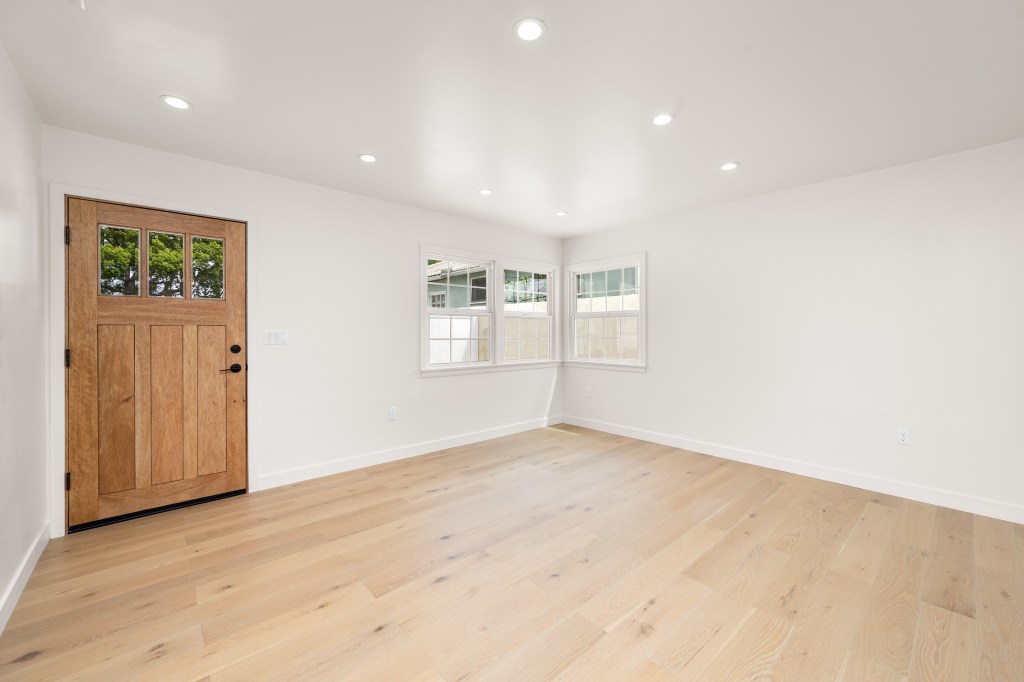
Because insurers place firm limits on how long a house can remain vacant under an endorsement, owners should align the coverage period with realistic leasing, repair, or renovation timelines rather than optimistic assumptions. If the vacancy is likely to extend beyond the endorsed timeframe, coverage should be reviewed or adjusted before it expires to avoid an unexpected lapse while risk is still present.
Bridging a Simple Gap in Property Insurance Coverage Between Tenants
A simple example helps illustrate how vacant home coverage works in real life, and why planning for the gap between tenants matters. Imagine a tenant moves out at the end of the month, and the owner plans a few minor repairs before a new tenant moves in about six weeks later. Rather than assuming the policy continues unchanged, the owner notifies the insurer and adds a short‑term vacancy endorsement to maintain vacant home coverage during that window. Any personal belongings left on site are accounted for, utilities stay on, and heat is maintained to protect the property.
The owner, or a property manager, checks the home weekly to ensure everything remains secure. If this were a new house or a longer vacancy, failing to adjust coverage could significantly limit coverage during a loss. Once the new tenant moves in, the endorsement is removed and the policy returns to normal. This straightforward approach shows how thoughtful planning can prevent stress, protect the property, and avoid an unexpected coverage gap during a short vacancy.
When a Short-Term Vacancy Extends Beyond Insurance Policy Limits
Even the best plans can shift, repairs uncover hidden issues, leasing markets cool off, or a sale takes longer than expected. When a short vacancy begins to stretch out, homeowners need to reassess their insurance options, because an empty property presents greater risk over time. A short‑term solution such as a vacancy permit endorsement is designed for a clearly defined window and comes with specific requirements, it’s not intended to replace vacant property insurance when a home remains empty longer than planned.
As the vacancy lengthens, exposures tied to property damage and personal liability increase, making a dedicated vacant property insurance policy the safer and more appropriate option. Doing nothing and assuming the original endorsement is “close enough” can leave an owner exposed if a major loss occurs after the agreed‑upon timeframe has passed. Staying proactive and adjusting coverage as circumstances change is essential to maintaining uninterrupted protection.

What Home Insurance Adjusters Look for After a Loss During Vacancy
When a loss occurs while a house is empty, homeowners should understand that vacant home insurance claims are usually evaluated through a few critical questions. First, did the owner properly notify the insurer that the house was vacant, rather than relying on standard homeowners policies that may no longer apply as written? Second, was the correct coverage in place, such as a short‑term vacancy endorsement or a dedicated vacant property policy, at the time of the loss? Third, did the homeowner take reasonable care of the property during the vacancy?
This includes practical loss‑prevention steps like regular inspections, maintaining heat, securing doors and windows, winterizing plumbing, and managing risks from events such as lightning strikes, which can still cause significant damage even when no one is living in the home. Supporting these efforts with pre‑loss documentation, such as photos and inspection notes, helps demonstrate responsible ownership. Together, disclosure, the right coverage, and basic maintenance shape how adjusters evaluate a claim and can directly influence how smoothly it is resolved.
How To Talk to Your Broker or Agent About Short-Term Vacancy
Many property owners hesitate to call their broker or agent simply because they’re not sure what to ask for, but a short conversation can make a big difference, especially when potential legal costs or uncovered losses are at stake. A smart starting point is notifying the insurer of the vacancy and coming prepared with clear details: the tenant’s move‑out date, expected move‑in date, planned repairs, and how often someone will be checking on the property.
This is also the right time to mention higher‑risk features like swimming pools, or concerns such as leaky pipes, which may require you to add coverage or adjust terms. Framing the discussion around a short‑term vacancy endorsement and a defined timeframe helps your agent assess whether an endorsement is sufficient or if a separate policy is needed.
Clear, specific information allows your broker to match coverage to real‑world risk, helping you stay protected during the transition instead of relying on assumptions.

Turning “Between Tenants” Into A Repeatable Process
The most effective way to manage risk between tenants is to stop treating vacancy as an exception and start treating it as a repeatable process, especially since standard homeowners insurance is often not designed to fully insure an empty property. When a lease ends, owners who consistently notify their insurer, add the appropriate short‑term vacancy endorsement, document the property’s condition, manage utilities, and schedule regular visits create reliable protection between tenants without uncertainty or last‑minute decisions.
This matters whether the property is a rental or treated more like a vacation home, where owners may still pay premiums but unknowingly lose coverage during vacancy. Once this routine is written down and reused, each transition becomes calmer and more predictable, no scrambling, no guessing about whether the home is still properly insured.
Over the life of a rental portfolio, this disciplined approach makes it far easier to insure properties correctly, avoid coverage gaps, and protect against the most expensive and disruptive surprises.
Sources:
https://ama.ab.ca/articles/insuring-empty-home-vacancy-permits
https://www.millerpublicadjusters.com/free-property-insurance-claim-advice-blog/vacant-unoccupied-insurance-coverage-difference-important
https://elliottinsuranceservices.com/blog/2020/01/30/empty-or-vacant-house-and-home-insurance/
https://www.azinsuranceteam.com/post/2019/08/30/what-is-a-vacancy-endorsement
https://www.pureriskadvisors.com/vacant-property-insurance-what-to-know-between-tenants
https://www.bankrate.com/insurance/homeowners-insurance/vacant-home-insurance/
