
Hotel Mothballing Guide: Insurance & Risk Checklist
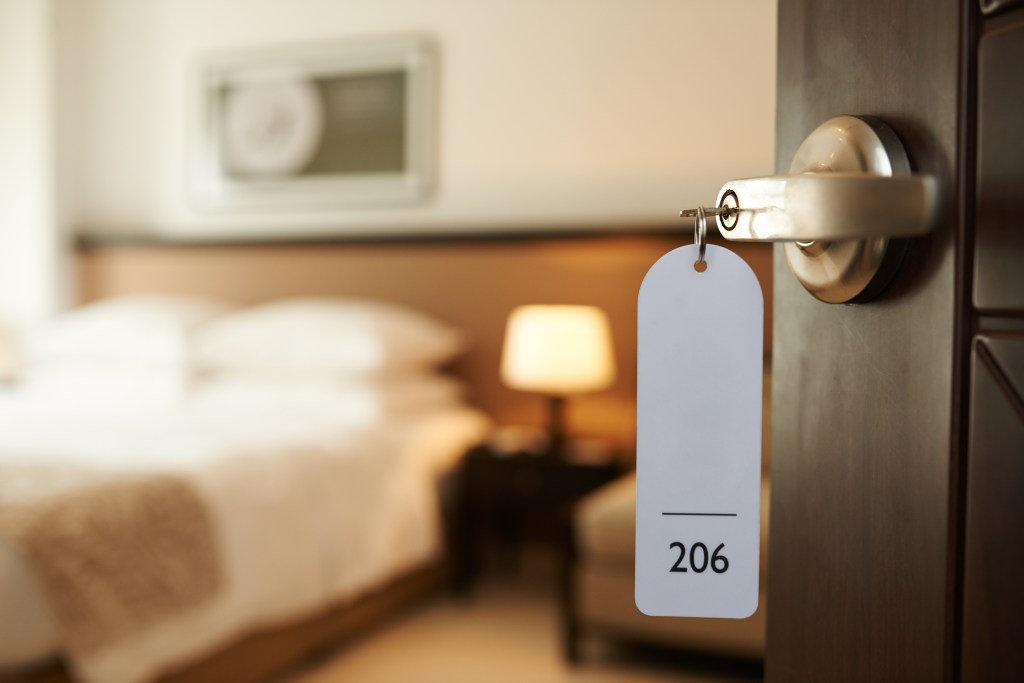
When a hotel or motel goes dark, it doesn’t stop aging or attracting risk. Fire exposure, unnoticed water damage, vandalism, and gradual deterioration often intensify once operations pause, especially for historic buildings and complex properties with aging systems. These exposures don’t just affect the main structure; other structures, such as parking decks, outbuildings, and ancillary facilities, can also become vulnerable during idle periods. That’s why hotel mothballing demands a practical, proactive playbook rather than a passive pause.
A thoughtful hotel mothballing vacant property strategy recognizes that “idle” never means “ignored.” Owners who plan ahead replace daily operations with deliberate controls, securing building systems, protecting the exterior envelope, documenting regular inspections, and maintaining visibility across the entire site. This structured approach supports stronger vacant hotel insurance positioning, helping owners safeguard future revenue, preserve flexibility for reopening or repositioning, and maintain insurability while the property remains offline.
What Mothballing Really Means in the Hotel Industry
Mothballing isn’t simply locking the front door; it’s a deliberate process of stabilizing a building for a defined idle period. For hotels and motels, effective mothballing means scaling operations down to the essentials while actively managing specific risks such as moisture intrusion, fire exposure, unauthorized access, and system deterioration. The goal is to prevent further damage during downtime so the property can be efficiently revived, repositioned, or redeveloped when conditions improve.
This approach helps preserve vacant hospitality assets by clearly separating a short‑term closure, where a quick restart is assumed, from a permanent shutdown, where long‑term care may no longer be viable. True mothballing functions as a practical middle ground. For example, maintaining critical systems, securing the building envelope, and documenting routine inspections can lead to meaningful cost savings by reducing loss severity, avoiding compounding repairs, and supporting continued insurability. When done correctly, mothballing becomes a strategic preservation tool, keeping the property in a controlled, insurable condition while ownership decisions, market timing, or future plans take shape.
Start With A Condition Assessment Before You Power Down
Before turning off the lights and checking out the last guest, it’s critical to clearly understand what you’re placing into storage. As temporary hotel closures become increasingly common, treating this step as part of a formal closure checklist helps owners identify vulnerabilities early, before they escalate into larger, costlier problems during an idle period. A practical condition assessment should focus on roofs, exterior walls, windows, mechanical rooms, and known leak areas, with particular attention to the building envelope as the foundation of comprehensive protection during mothballing.
By documenting conditions upfront with photos, notes, and dates, owners establish a clear baseline that supports vacant hotel insurance requirements and long‑term decision‑making. This documentation strengthens claims defensibility, helps prioritize maintenance, and supports informed choices about reopening, selling, or converting the property, while reinforcing a strategy built around comprehensive protection, not reactive repairs.

Vacant Property Insurance Protection: Roofs, Windows, and Water Paths
Once a hotel is empty, slow leaks and subtle drafts can cause more structural damage than a busy lobby ever did, making building envelope protection during mothballing a top priority. Roofs, flashing, joints, windows, doors, and exterior finishes deserve close attention, as these systems control how water and weather move, or quietly infiltrate, the building. In vacant hotels, unused plumbing lines, unconditioned space, and sealed‑off former tenant areas can conceal minor issues that quickly escalate. Small gaps, aging sealants, or overlooked roof deficiencies that were once masked by daily occupancy can compound over time, driving up replacement cost and increasing the likelihood of water damage and mold.
For owners focused on preserving vacant hospitality properties, this is one of the most effective areas to invest early. Targeted sealing, drainage reviews, and selective repairs can prevent widespread interior deterioration, reduce repair severity, and avoid costly surprises when it’s time to reopen, sell, or reposition the asset.
HVAC, Ventilation, and Moisture Control in Idle Rooms
In vacant hotels, hundreds of closed guestrooms can quickly become stale, damp, or prone to mold if air and temperature are not managed properly during idle periods. Therefore, controlling HVAC and moisture is a critical preservation concern. Thoughtful system maintenance, ventilation, and humidity management help stabilize interior conditions without operating HVAC as if the property were fully occupied. On the flip side, shutting systems down entirely can introduce hidden risks that undermine both the building and its long‑term value.

Adjusted temperature setpoints, limited zoning to condition priority areas, and scheduled ventilation cycles help prevent water damage and mold while keeping energy use in check. Rather than viewing HVAC solely as a cost to cut, smart utilities management treats these systems as preservation tools, helping properties remain insured, comply with policy requirements, and protect finishes, mechanical components, and future reuse potential throughout the mothballing period.
Utilities and Systems: What Stays On, What Safely Shuts Down
A mothballed hotel may be quiet, but it can’t be completely lifeless. Effective utilities management during a temporary closure means maintaining a minimal operational heartbeat—limited power for fire alarms, security systems, sump pumps, and monitoring equipment, while implementing a deliberate plan for water, gas, and waste lines. In commercial buildings like hotels, the greatest risk often comes from indiscriminately shutting utilities off, which can lead to frozen pipes, trapped moisture, or undetected failures that threaten both the structure and personal property left on site.
A smarter strategy is a selective shutdown. Isolating unused areas, controlling direct access to critical mechanical spaces, draining or protecting water lines where appropriate, and keeping only essential systems online allows owners to reduce operating costs without leaving the building exposed or difficult to reactivate. When managed carefully, a low-power, low-water approach protects decommissioned properties, enhances insurability, and maintains flexibility for any changes in plans or reactivation of the asset.
Fire, Life Safety, and Code Compliance During Closure
Even when a hotel is unoccupied, fire protection and life‑safety responsibilities do not disappear. Fire and life safety planning remains a core part of responsible closure management for any hospitality business. A mothballed hotel must continue to meet essential safety and code requirements, including keeping sprinkler systems active, maintaining alarm monitoring, and ensuring fire department access routes remain clear, particularly in former tenant areas and shared service spaces that may no longer see daily use.
Overlooking these fundamentals can quickly turn a controlled shutdown into a regulatory or insurance issue, jeopardizing ongoing coverage and undermining efforts to preserve the asset. From an insurers and regulator’s perspective, adherence to life‑safety standards is a key signal of risk management intent. Property owners who maintain these systems protect their buildings as manageable and insurable, ensuring their safety while operations are paused.
Security, Access Control, and Activity on a Guest-Less Site
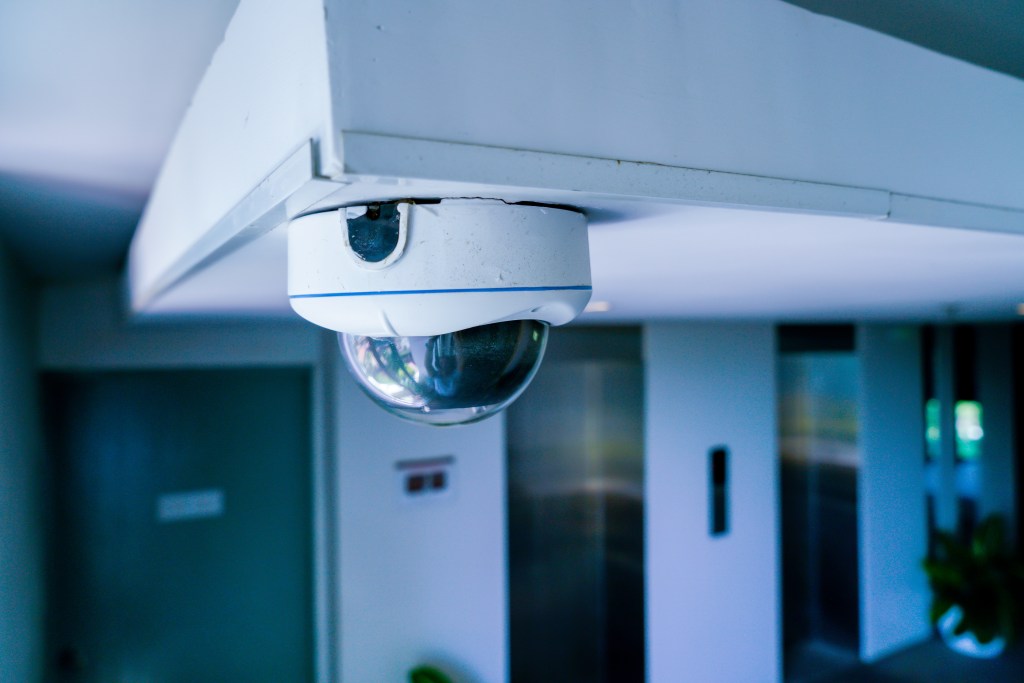
An empty corridor can quickly become an invitation if security measures fade along with occupancy, making physical security a critical component of mothballing any vacant building. Whether the property is a roadside motel, an adaptive‑reuse candidate, or one of many mixed‑use office buildings and hospitality assets sitting idle, owners need a visible, intentional security posture that reflects the property’s unoccupied reality. This includes consolidating active entrances, reinforcing or upgrading locks, coordinating patrols or scheduled walkthroughs, and maintaining sufficient exterior and interior lighting, especially in historic structures, where original access points and architectural features can create unique vulnerabilities.
These measures reinforce asset preservation by clearly signaling that the building is monitored and managed, not abandoned. Documented security routines and periodic inspections help reduce vandalism, theft, and unauthorized use, while supporting ongoing insurability. For mothballed hotels and similar properties, proactive security is not just deterrence; it’s a practical safeguard that protects condition, limits loss exposure, and maintains flexibility throughout the idle period.
Furnishings, Finishes, and FF&E Preservation
Beds, case goods, carpets, window treatments, and lobby finishes represent a significant share of a hotel’s value, especially when reopening, selling, or repositioning remains part of the long‑term plan. As part of a hotel mothballing vacant property program, interior preservation should begin well before closure. This includes deep cleaning guestrooms and common areas, shielding sensitive materials from direct sunlight and moisture, and actively managing dust and humidity throughout the idle period so finishes remain in stable, presentable condition.
Owners also need to make intentional FF&E decisions that reflect both risk and opportunity. To reduce risk and support better long-term planning, determine what to store off-site, what can remain in place, and what can be sold or decommissioned. This approach reinforces a broader vacancy strategy by recognizing that mothballing isn’t only about protecting the structure, it’s about safeguarding interior assets that drive future value. When you make purposeful choices, you enhance control, maintain flexibility, and facilitate a quicker return to use when the time is right.
Documentation, Inspections, and What Insurers Expect for Comprehensive Coverage
A practical mothballing playbook isn’t complete without a clear plan for documentation and regular inspections. Building structured inspections into the closure process, whether weekly, monthly, or organized by building area, helps owners identify issues early, before they escalate into costly losses. Pairing those inspections with simple logs and dated photo documentation creates a clear record for vacant property insurance, showing how conditions evolve over time and maintaining continuity even if staff or vendors change.
These records demonstrate that building systems, security measures, and the exterior envelope are being actively monitored, supporting comprehensive coverage during the idle period. From an insurance perspective, consistent documentation strengthens underwriting confidence, accelerates the resolution of vacant property claims if a loss occurs, and reinforces that protecting a mothballed property is an intentional, ongoing process, not an afterthought once operations pause.
Planning For the Next Chapter: Reopening or Repurposing
Most hotels aren’t mothballed without a next chapter in mind, even if that chapter hasn’t been fully written yet. Whether the future involves reopening to guests, converting hospitality assets into housing, or repositioning properties alongside office buildings, adapting to long‑term remote work trends, decisions made during hotel mothballing vacant property directly shape what remains possible. How we maintain systems, preserve interiors, and manage risks during idle periods directly impacts future flexibility, insurability, and overall valuation.

Treating the idle period as a bridge rather than a dead end helps owners align today’s protections with tomorrow’s goals. Maintaining systems that support an efficient restart, preserving layouts and finishes that enable reuse, and documenting conditions all contribute to smoother planning, financing, and insurance conversations. For owners and their clients, this forward‑looking approach supports stronger coverage positioning and reduces friction, cost, and lost opportunity when it’s time to move into the next phase.
Special Considerations for Historic or Character Properties
Historic buildings, such as landmark inns, neon-lit roadside motels, and architecturally significant hotels, require a specialized approach when they become vacant instead of being treated as generic commercial properties. This makes historic hotel mothballing best practices especially important. Mothballing these properties requires added care to protect original materials, distinctive design elements, and applicable preservation standards, often drawing from preservation‑based approaches rather than standard commercial shutdown procedures. From an insurance standpoint, most policies assume active risk management during vacancy, making thoughtful planning essential to maintaining coverage.
In practice, teams use reversible protection methods, avoid modern materials that trap moisture, carefully stabilize façades and signage, and document character‑defining features before powering systems down. While these steps can add upfront cost, they often prevent irreversible damage that would be far more expensive to repair, or impossible to replace, later.
For owners, working closely with knowledgeable brokers helps align preservation goals with insurance requirements, ensuring that coverage reflects the unique exposures of historic properties. These additional measures support preserving vacant hospitality assets by protecting not only insurable value, but also the heritage and identity that make these properties worth reviving when their next chapter begins.
Sources:
https://www.riskstop.co.uk/post/free-guide-to-protecting-mothballed-premises
https://www.globest.com/2020/05/01/empty-hotels-may-be-a-new-affordable-housing-opportunity/
https://hoteldesigns.net/industry-news/industry-insight-mothballing-your-property-during-the-pandemic/
https://www.nps.gov/orgs/1739/upload/preservation-brief-31-mothballing-buildings.pdf
https://anneygrish.medium.com/mothballing-as-a-tool-for-historic-preservation-7c66a39c2fb
https://www.mhpn.org/wp-content/uploads/2019/12/A_Community_Guide_to_Repurposing_Vacant_and_Underutilized_Historic_Buildings.pdf
