
Effective Renovation Strategies for Vacant Properties You Should Know

Vacant properties aren’t just sitting still; they’re quietly losing value. When systems remain dormant, minor issues can snowball into costly repairs, and the longer a space sits unused, the harder it becomes to recoup its value. A vacant property renovation plan flips this narrative, transforming an idle liability into a revenue-generating asset on a predictable timeline.
Think of it as a restart: stabilize the structure, address deferred maintenance, and maintain documentation and photo logs for every step to ensure smooth insurance and valuation conversations. This approach also supports turnover readiness, reduces exposure to different risks and legal issues, and simplifies home inspection processes.
For example, a neglected HVAC system in an empty home can lead to mold growth, escalating repair costs, and liability concerns, issues that proactive planning could have prevented. Done right, renovation isn’t just upkeep; it’s an investment in future profitability.
Saving Time: Pre-Renovation Assessment And Priority List
Every successful renovation starts with a thorough pre-renovation building assessment. Begin with a detailed walkthrough that evaluates the structure, roof, envelope, and mechanical systems.
From these observations, create a ranked punch list that identifies and prioritizes essential issues, especially those that can cause cascading damage, such as water intrusion, unsecured openings, and electrical hazards, before considering cosmetic upgrades or major changes. Focus first on structural stabilization and address the property’s specific needs to prevent long-term complications.
To keep decisions objective, use a simple matrix weighing risk, cost, and time. This method ensures your plan remains grounded, tackling critical vulnerabilities before investing in aesthetics and setting the stage for a smooth, profitable renovation.
Renovation Strategies for Vacant Properties: Scope Of Work, Phasing, And Milestones
A renovation without structure can quickly spiral into delays and cost overruns. The solution is clear: break the project into logical phases that protect value early.
Start with the scope of work and phasing, secure the building, keep it dry, and restore safe power before tackling interior finishes. Establish measurable milestones like “roof watertight,” “utilities verified,” and “rough inspections passed” to keep schedules and payments transparent.
This disciplined approach supports budget control and contingency planning, limits exposure by opening only manageable sections at a time, and ensures post-renovation inspections go smoothly. Understanding the difference between rushed work and phased execution is crucial; it saves money and safeguards key components of the property.
For example, failing to phase properly can lead to water damage during interior work, a costly mistake that structured planning prevents.
Home Inspection: Permits, Code, And Change Management

Even the simplest renovation can trigger code requirements. Updates to egress, smoke and CO alarms, electrical systems, and accessibility standards often come into play, even during light rehab work. To stay ahead, maintain a disciplined approach to permits and code compliance by submitting clear, detailed drawings and keeping a change log so every adjustment is traceable.
Well-organized documentation and photo logs not only shorten review cycles but also reduce surprise rework. Coordinating inspections, understanding zoning implications, and preparing accurate reports for your insurer are critical steps to avoid costly delays. For example, failing to document an electrical update can lead to compliance issues during final inspection, something proactive planning could have prevented.
Site Security And Access Control During Work
Securing vacant renovation sites is critical to protecting your investment. Unoccupied properties often attract theft, vandalism, and other risks, so a proactive approach to site logistics and access control is essential. Lock down areas not in use, keep active zones well-lit, and limit operational doors to reduce exposure. Fence off staging areas and rotate access codes after each trade completes their work.
Visible order matters, clear signage, clean perimeters, and surveillance cameras act as strong vandalism deterrence and signal control. Deciding on the right security measures upfront ensures protection for the house and minimizes costly disruptions. A secure site isn’t just about safety; it’s about preserving value and peace of mind.
Utility Reactivation and Life-Safety Checks: Addressing Potential Issues
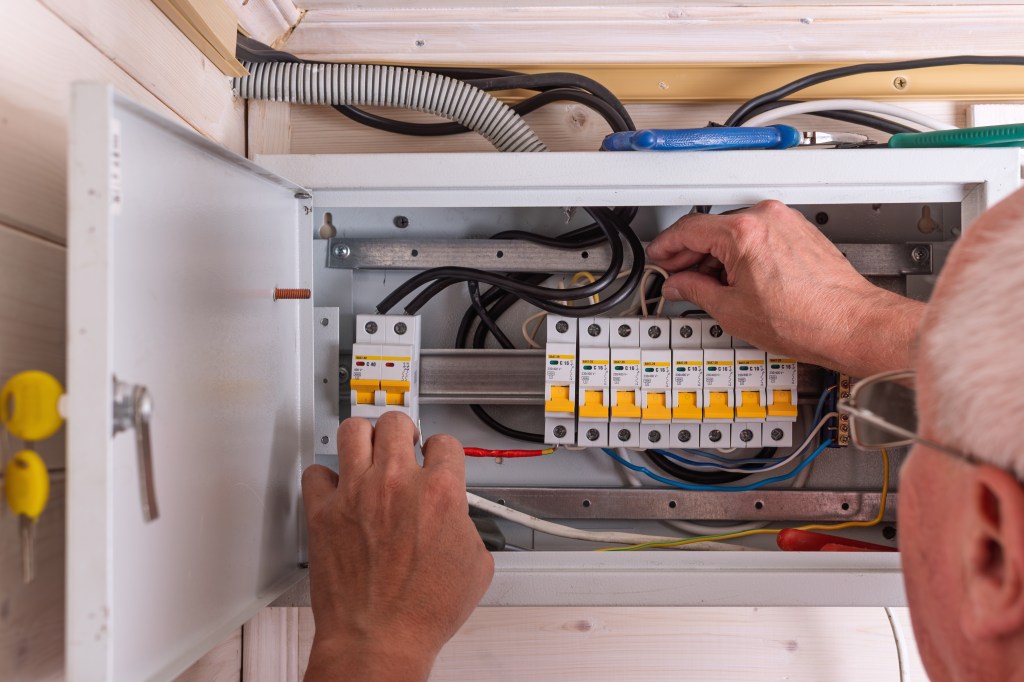
Utility reactivation and safety require more than flipping a switch. Before energizing circuits or opening valves, perform pressure tests and verify shutoffs to prevent dormant systems from failing under load.
Maintain minimum heat in vulnerable areas to avoid freeze damage, and meter temporary power separately for contractors to keep costs transparent. Early life-safety verification, including fire alarms, emergency lighting, and egress routes, sets the tone for a safe, controlled restart.
A disciplined approach to these steps protects both people and property while paving the way for smooth progress.
Structural Stabilization Before Finishes
Structural stabilization is a crucial step before finishes go in. Sagging spans, compromised joists, and failing lintels must be addressed early to maintain load path integrity and prevent costly rework. Temporary shoring and engineered repairs not only keep trades productive but also give inspectors confidence during home inspection. Investing in stabilization upfront ensures safety, compliance, and durability, because finishes only last when the bones are right.
Building Envelope And Moisture Control
Water intrusion and mold prevention start with the building envelope. Before renovation begins, prioritize building envelope repairs by fixing roofs, flashing, and drainage systems to stop moisture at its source. Next, apply thorough weatherproofing by sealing gaps around windows and doors.

Before closing walls, run a short dehumidification cycle to draw out hidden moisture and protect finishes. These steps not only keep the structure healthy but also accelerate pre-renovation inspection and reduce costly delays. For any company managing idle properties, moisture control today means fewer surprises tomorrow, and a stronger foundation for success.
Hazardous Materials And Clean Work Zones
Hazardous materials abatement is a crucial step in older property renovations. Lead paint, asbestos, and fuel residues often lurk behind walls and under floors, requiring licensed handling and strict compliance. Before work begins, implement environmental controls by isolating affected areas and, when necessary, running negative air systems to prevent contamination.
Plan for compliant disposal by staging waste with proper manifests to maintain regulatory integrity and avoid costly delays. Clean, well-managed zones protect workers, safeguard health, and keep your renovation schedule credible. Safety isn’t optional; it’s the foundation of a successful project.
Contractor Bench, Bids, And Scheduling Rhythm
Choosing the right team sets the tone for the entire renovation. Contractor selection and scheduling are critical; invite bids from firms with proven experience in vacant property work. These contractors understand the nuances of security, sequencing, and risk mitigation. Insist on a schedule that aligns trades without congestion to avoid the costly “hurry and wait” cycle.
Progress tracking through daily logs, photo updates, and weekly coordination meetings keeps everyone accountable and informed. Generally, a steady, predictable rhythm isn’t just efficient; it builds trust and keeps your business and course moving forward.
Budget Discipline, Allowances, And Contingency

Renovation success starts with disciplined financial management. Budget control and contingency planning are essential; carry allowances for hidden conditions behind walls and size your contingency to reflect the building’s age and complexity. Tie milestone payments to verifiable progress, supported by photo documentation, to maintain accountability. Consistent cost tracking prevents budget drift, builds stakeholder confidence, and safeguards your return on investment. Transparency isn’t just best practice, it’s the foundation for predictable, profitable outcomes.
Adaptive Reuse And Repositioning Options
Markets evolve, and idle buildings should evolve with them. Adaptive reuse and repositioning are key strategies in commercial property renovation. If market demand has shifted, explore configurations that improve market fit and long-term protection: micro-retail pods, creative studios, flexible office suites, or specialized service spaces. Even modest plan changes can unlock significant NOI gains and broaden tenant appeal. Renovation is the ideal moment to future-proof your asset, ensuring it remains relevant, resilient, and profitable in a changing landscape.
Scenario: Single-Family Home Between Tenants
Turnover readiness starts with security and speed. Secure doors and basement windows, verify utilities, and address building envelope repairs to prevent weather damage before any interior refresh. A quick kitchen and bath update, paired with durable flooring, accelerates lease-up and boosts appeal. Wrap up with thorough documentation and photo logs, including wide-angle shots and a clean inspection record, to reassure prospective tenants and streamline marketing. A focused approach transforms downtime into opportunity.
Scenario: Small Commercial Shell On A Corner Lot
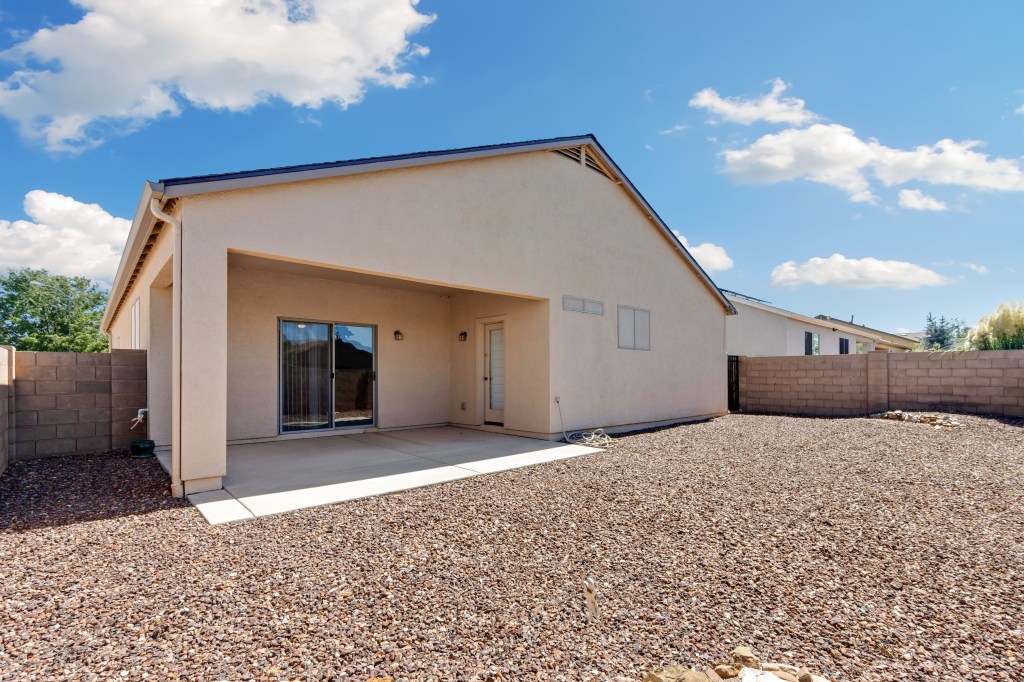
Turning a vacant property into a market-ready asset begins with shell readiness. In any commercial property renovation, start by stripping damaged finishes and making the roof watertight to protect the structure. Deliver bright, code-compliant cores with essential systems, plumbing, electrical, and fire protection, so tenants can build out confidently. Then focus on tenant attraction: enhance curb appeal with clear sightlines, new glazing, and reliable HVAC.
The sequence matters: stabilization first, curb appeal second, customization last. Done right, this approach transforms a dormant shell into a high-demand space.
Scenario: Historic Structure On Main Street
Historic rehabilitation requires a balance of preservation and modernization. Start with structural stabilization, reinforce framing, and repair masonry to ensure safety and integrity.
Discreetly route modern systems like electrical, plumbing, and HVAC to achieve code compliance without overshadowing original character. Favor reversible interventions that protect long-term value and streamline approval processes.
Finally, thoughtful lighting and tasteful signage breathe life back into the block, honoring its history while inviting future vitality.
Builder’s Risk, Liability, And Documentation
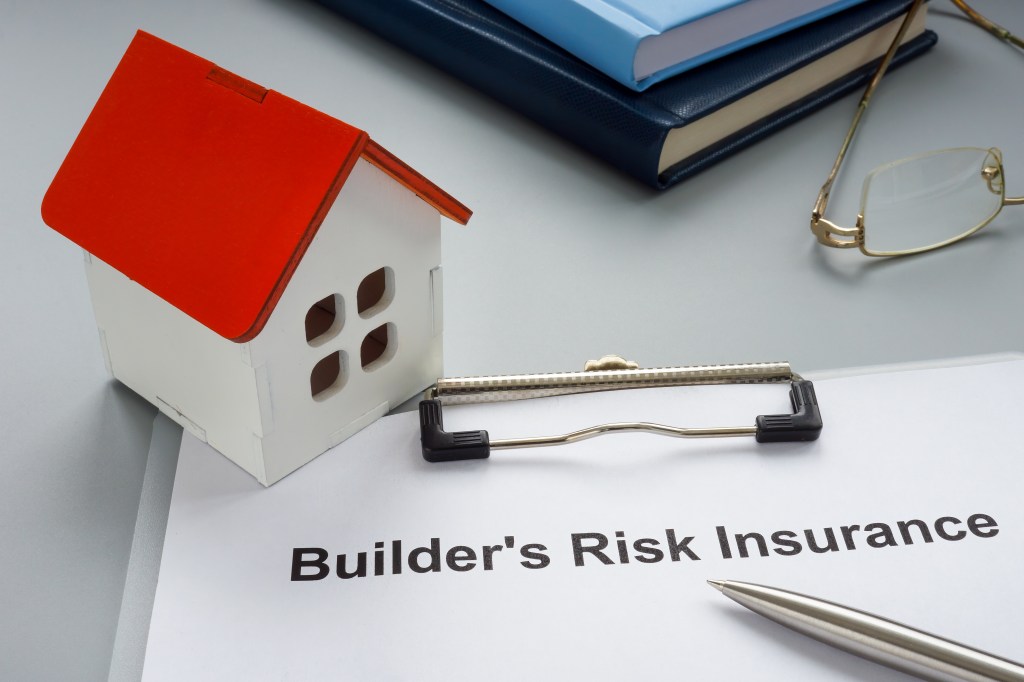
Construction projects carry evolving risks, and your insurance strategy must keep pace. Builder’s risk insurance should match each construction phase, with coverage updated as property values change to prevent gaps. Centralize incident records, dated photo logs, material receipts, and inspection sign-offs in one secure location. Clean, organized documentation not only protects your investment but also streamlines reporting and upgrades, shortening claims conversations when issues arise. Accuracy and transparency are your best defense for keeping projects on track.
Turnover, Punch, And Operational Handoff
The final walk sets the tone for smooth operations. Post-renovation inspections should be approached with fresh eyes: test every fixture, verify alarms, and clearly label shutoffs before the operations handoff.
Close out with organized O&M manuals, warranty documentation, and a comprehensive photo set for future reference.
Centralizing these records, including inspection sign-offs and any contract-related updates, ensures accountability and confidence. A tidy turnover isn’t just a courtesy; it’s the foundation for long-term performance and protection.
Quiet Coordination That Protects Value
Renovations run best when property preservation coordination is centralized under one point of contact, managing securement, schedule control, and documentation. This streamlined approach delivers clear benefits: it keeps the process calm and predictable, reduces risk, ensures insurance readiness, and accelerates revenue generation.
For owners and renters alike, predictability isn’t just convenience; it’s the foundation for turning a vacant shell into a performing asset again.
Sources:
https://metroherald.com/10-tips-for-renovating-vacant-properties/
https://nreig.com/8-great-ways-to-protect-vacant-renovation-properties/
https://www.thinkaec.com/why-renovating-abandon-buildings-holds-promise/
https://www.intelligentliving.co/renovating-a-vacant-commercial-property-where-to-start/
https://www.linkedin.com/pulse/unique-challenges-rewards-restoring-abandoned-jan-michael-mcclintic-z7gtf/
https://sjcarch.com.au/13-renovation-strategies/