
Patrols vs Alarms: Choosing the Right Security Solution for Your Needs
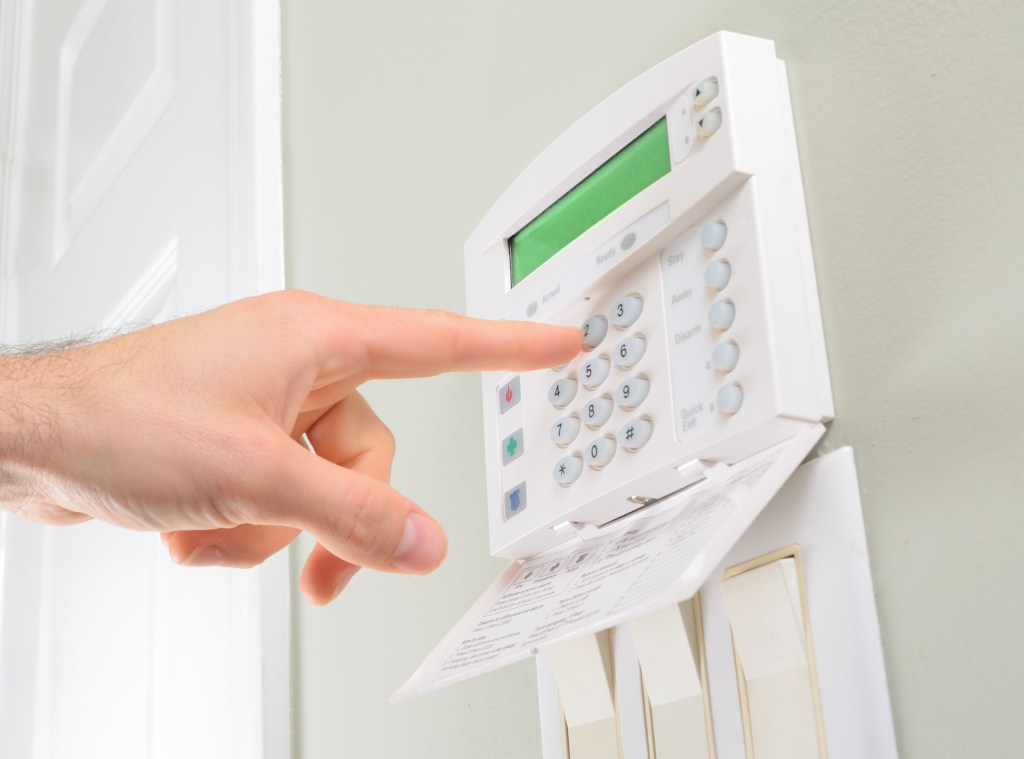
When a property sits vacant, it loses the natural deterrent of daily activity, no employees, no tenants, no routine oversight. That absence creates a higher risk for security threats such as break-ins, vandalism, and costly insurance claims. Choosing between automated security systems and human presence isn’t just a security decision; it’s a strategic approach to safeguarding insurability and preserving asset value.
The right vacant property security solution can mean the difference between preventing incidents and facing expensive claim challenges. In short, security for empty buildings isn’t about gadgets or guards alone, it’s about protecting your investment from unnecessary exposure.
Cost Snapshot: What Patrols and Automated Security Systems Really Run Per Month
When evaluating security for a vacant property, cost clarity is critical. Monthly expenses for perimeter security and patrols can vary widely depending on frequency and coverage, while the ROI of surveillance cameras and automated systems often hinges on upfront installation plus ongoing monitoring fees.
Over a 6–12 month vacancy, these numbers tell a bigger story: a proactive security investment may seem costly at first, but it’s far less expensive than absorbing a single major claim or loss in property value. Comparing these pricing models side by side helps owners make informed decisions that minimize false alarms and protect both budgets and assets.
Understanding Risk: Frequency, Severity, And Who Shows Up
Vacant properties exist in high-risk environments, facing a wide spectrum of threats, from frequent nuisances like trespassing and graffiti to severe criminal activity such as burglary or arson. The burglary risk in empty buildings is real, and neglecting regular maintenance or security measures can lead to costly consequences. Effective protection means reducing theft and vandalism while ensuring rapid response when serious incidents occur.
Patrols provide visible deterrence and physically interrupt unwanted activity, while smart alarms and surveillance cameras excel at detecting breaches and escalating alerts. The right choice depends on which type of loss, frequent or severe, would impact your bottom line most.

How Underwriters View Patrols Vs Alarms On Vacant Properties
Insurance companies scrutinize how you secure an empty building because risk visibility drives pricing. Properties with complex layouts and prime targets for theft face specific threats that demand robust measures. Underwriters value documented actions, such as patrol logs, intrusion detection reports, and alarm certificates, that demonstrate proactive risk management.
Choosing between patrols and automated systems isn’t just about security; it’s about signaling lower exposure. Detailed records help with documenting security for insurance, and professionally monitored systems often qualify for discounts. In short, your security choices can influence eligibility, terms, and premiums, making them a critical part of your overall insurance strategy, not an afterthought.
What Security Guards Do Well (And Where They Struggle)
Patrols provide security experts with a human advantage in maintaining a safe environment for vacant properties. Unlike automated systems, trained guards can identify issues that alarms often miss, such as doors left ajar, water leaks, or suspicious vehicles lingering nearby. This proactive approach helps prevent unauthorized entry and adds additional benefits for complex sites like strip malls or warehouses, where visual checks are critical.
However, limitations exist: gaps between patrol rounds, inconsistent guard performance, and the high cost of 24-hour security coverage. When comparing security guards vs. alarm systems, it’s clear each offers unique strengths, but the effectiveness of security guard vs. automation depends on site complexity, risk tolerance, and budget.
What Smart Automated Systems Do Well (And Their Blind Spots)

Smart alarms deliver continuous oversight for vacant properties using intrusion sensors, glass-break detectors, and cameras powered by advanced analytics. With remote monitoring, property owners can receive instant alerts about entry attempts via mobile apps and rely on central stations for video-verified responses, even from hundreds of miles away. This approach offers strong smart security system ROI by reducing ongoing costs tied to labor while improving detection speed.
However, these systems aren’t without challenges: poor device placement, connectivity issues, and savvy intruders testing response times can create blind spots. In complex situations, failure to respond effectively can lead to unauthorized access and potential legal repercussions. Understanding these strengths and limitations helps owners deploy alarms strategically without overestimating their reach.
The Real Cost Of Doing Nothing: Claims, Deductibles, And Downtime
Leaving a vacant property unprotected can lead to significant associated costs and serious consequences. Without comprehensive protection, the risk of burglary and other potential threats skyrockets, resulting in copper theft, break-ins, or even arson attempts. These incidents often trigger deductibles, repair expenses, and business interruptions that far exceed the price of a modest patrol or alarm system.
A proactive security investment isn’t just about peace of mind; it’s about preventing vacant property claims and avoiding delays that can derail re-listing or leasing plans. In short, doing nothing can cost more than implementing smart security measures.
When Physical Security Patrols Make More Sense: High-Risk, High-Value Vacant Sites
Not all vacant properties face the same security challenges, and specific circumstances often dictate the best approach. For large footprints, such as empty malls, sprawling parking lots, or construction sites, atrols frequently provide the most effective security for vacant commercial property. Security guards can check doors and windows, deter potential intruders, and log issues before they escalate into costly claims.

In these scenarios, the choice between security patrols vs. smart alarms isn’t just about budget; it’s about complexity, visibility, and the ability to respond quickly to emerging threats. While alarms excel at detecting specific events, they can’t physically walk the site. For properties with multiple access points or high-value assets, investing in 24-hour security guard coverage may be the smarter move.
When Smart Alarms Make More Sense: Smaller Or Remote Vacant Properties
For smaller or remote sites, such as single-family homes between tenants, compact offices, or secluded cottages, smart alarms offer unique advantages for securing unoccupied property. A well-configured system that combines cameras, sensors, and other technological elements with remote monitoring ensures owners stay connected from anywhere.
This approach provides predictable associated costs and delivers a strong smart security system ROI, making it an ideal starting point among vacant property security options. By layering in patrols only when specific circumstances, risk levels, or asset value justify it, owners can balance security and budget without sacrificing peace of mind.
Layered Security for Property Managers: Combining Patrols, Alarms, And Cameras
In today’s security landscape, high-value properties or sites with extended vacancy periods often require more than a single solution. A layered security strategy, combining automated alarm systems, cameras, and patrols by trained security professionals, offers comprehensive protection against evolving risks. Patrols provide on-the-ground visibility and human judgment, supported by background checks for reliability, while alarms deliver 24/7 detection and video-verified responses to respond quickly to incidents.

This approach bridges the gap between security guards and automation, giving owners flexibility to scale coverage based on specific circumstances, property footprint, and risk level. Instead of choosing one solution permanently, think of security as an adaptive plan that evolves with your property’s needs.
Working Backwards From Claims: What You’d Want Documented After A Loss
Imagine an adjuster asking, “What did you have in place to protect this vacant property?” In today’s security landscape, proof matters as much as prevention. Detailed patrol logs, monitoring reports, and photos of secured doors and windows, supported by access control measures, can make the difference between a smooth claim and a costly dispute. Framing security choices through this lens turns vacant property claim prevention into a documentation strategy.
Whether you rely on automated alarm systems or security teams with immediate intervention capabilities, think beyond protection, choose solutions that not only safeguard the property but also provide verifiable records. This ensures every dollar spent, including your monthly security patrol cost, is justified and defensible.
Choosing Your Next Step: A Simple Patrols Vs Alarms Decision Path
When it comes to vacant property security, there’s no one-size-fits-all solution, only smart choices based on risk. In today’s security landscape, start with a quick risk assessment: consider property size, neighborhood crime levels, expected vacancy length, and budget. From there, match your situation to the right vacant property security options, automated alarm systems for smaller or remote sites, patrols for large or complex footprints, or a layered mix for high-value assets.
Combining human and technological elements, such as security teams and access control systems, helps reduce vulnerabilities and prevent security breaches. The key takeaway? A thoughtful decision today on patrols vs. alarms can lower risk, improve insurance terms, and protect the future of an otherwise idle property.
Sources:
https://dahlcore.com/blog/f/how-much-does-security-patrol-services-cost
https://www.deskresearchgroup.com/data-shows-home-security-systems-lower-both-burglary-losses-and-insurance-premiums/
https://www.radiussecurity.com/blog-articles/the-real-cost-of-security-why-proactive-investment-pays-off
https://safetechalarms.com/blog/security-articles/whats-the-roi-of-investing-in-a-high-end-security-system-in-toronto/
https://solutionprosecurity.co/security-guards-vs-alarms/
https://watch-1.com/why-24-hour-security-guards-are-more-effective-than-automated-systems/
https://hubsecurityandinvestigativegroup.com/24-hour-security-guard-coverage-vs-alarm-systems-which-one-protects-your-property-better/
