
Understanding How Underwriters Score Vacant Buildings for Insurance
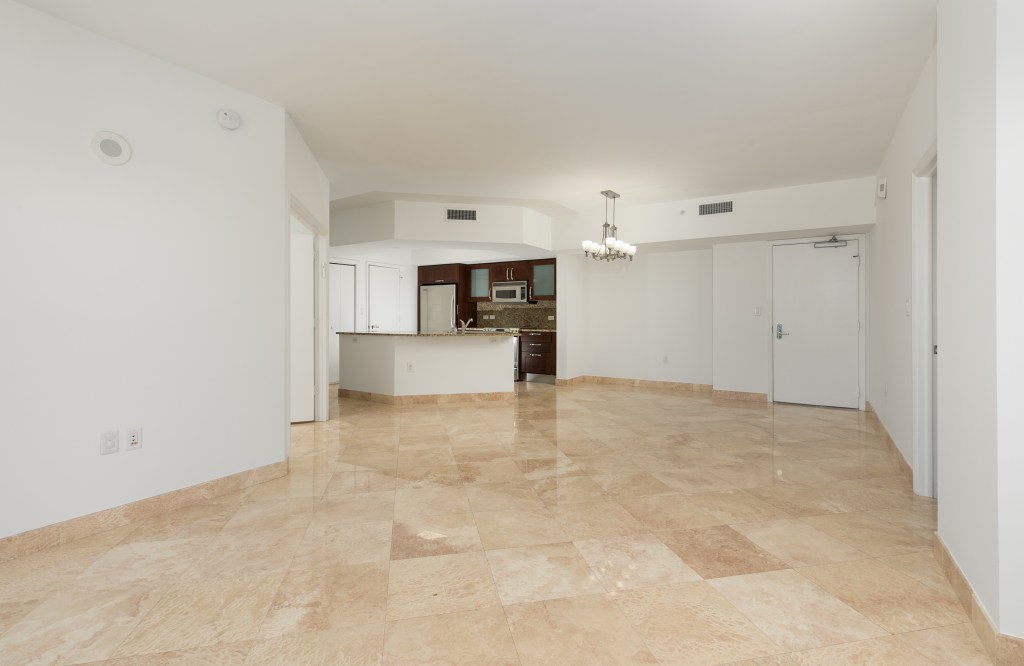
When a building becomes vacant, it doesn’t simply sit empty, it shifts into a distinct risk category for every insurance company involved. At this stage, underwriting scrutiny intensifies, and vacant property policies are evaluated far more conservatively than standard coverage. Rather than asking only whether a structure is unoccupied, insurers rely on a vacant building insurance underwriting score that weighs condition, location, security, oversight, and the anticipated length of vacancy.
This score directly shapes access to comprehensive coverage, including whether liability coverage is extended, how policies are priced, and what exclusions or restrictions apply. Understanding vacant home insurance criteria shows that underwriting is not an opaque process but a defined framework, one that informed property owners can influence to secure stronger protection and more favorable vacant property policy terms.
When An “Empty” Building Becomes Officially Vacant
In insurance terms, an unoccupied home doesn’t remain in an informal gray area for long. Understanding how long a property can sit unused before it reaches vacant status is critical to maintaining proper coverage. Most policies define a home as vacant after a specified period without regular occupants, often 30, 60, or 90 consecutive days, depending on the policy language.
Once that timeframe is exceeded, vacant home insurance cover rules apply automatically, triggering vacancy clauses that may restrict or exclude protection for common risks such as vandalism, burst pipes, water damage, or glass breakage unless a vacancy endorsement is added.
This transition can occur without any direct notice from the insurer and can also impact underwriting scores for an unoccupied home, affecting both eligibility and premiums. For that reason, notifying your broker as soon as a property becomes empty, or even when vacancy is anticipated, is essential. Waiting until renewal may leave owners without proper coverage during the period when exposure and loss probability are at their highest.
The Big Buckets: What Underwriters Look at First

When insurers evaluate a vacant property, they typically begin by grouping its unique risks into several core categories rather than focusing immediately on policy fine print. The first is the physical structure itself, its age, construction type, and overall condition, since older or poorly maintained buildings are more prone to losses that can drive higher premiums.
Location is equally important, with underwriters considering crime rates, weather exposure, and proximity to reliable fire protection, all of which influence available insurance coverage. They also closely examine operations, including how the building was previously used, its intended future use, and whether any activity or supervision continues while the space is empty, as these factors can affect both property protection and general liability exposure.
Financial indicators, such as whether taxes and mortgage obligations are current, also play a role by signaling the owner’s commitment to safeguarding the property. Finally, insurers weigh how long the building is expected to remain vacant, recognizing that risk compounds over time.
While some factors, like location or construction, are fixed, others can be improved. Understanding these underwriting buckets helps property owners concentrate on changes that meaningfully enhance coverage terms, control costs, and restore peace of mind instead of battling risks outside their control.
Time Empty and Future Plans: Your Vacancy Story
How long a property has been empty, and what’s planned for it next, plays a central role in underwriting decisions tied to vacancy periods. A home or small commercial building that is temporarily unoccupied for 60 or 90 days is viewed very differently from a property that has sat unused for years with no defined path forward.
Underwriters look for a clear vacancy narrative that explains occupancy plans and an exit strategy, helping them assess whether the risk is transitional or long‑term. This includes a straightforward explanation of whether the building will be sold, renovated, or re‑tenanted, along with an estimated timeline. Even a rough schedule allows the current insurer to better align the policy with the property’s evolving insurance needs and determine the right coverage for the duration of the vacancy.
For owners seeking vacant business property insurance, clearly communicating next steps through their broker adds credibility to the underwriting file and often results in broader protection, fewer restrictions, and more favorable terms overall.
Condition, Repairs, and Proof that Provide Peace of Mind
Why Visible Care Matters After Homeowners Insurance No Longer Applies
By contrast, a vacant property that shows clear, ongoing care tells a very different story to underwriters. Fresh paint, secured doors and windows, clean exteriors, and completed repairs signal active oversight rather than abandonment. This distinction becomes especially important once a standard homeowners insurance policy is no longer appropriate and vacant building insurance is required, as vacant risks are evaluated with tighter underwriting standards and less tolerance for uncertainty. Well‑maintained conditions reduce perceived exposure and improve eligibility for specialized coverage designed specifically for vacant properties.

Documentation That Strengthens Vacant Building Insurance Review
Condition alone isn’t enough, documentation matters just as much. Recent, dated photographs, inspection reports, contractor invoices, and proof of routine maintenance provide tangible evidence that the property is being monitored, preserved, and protected. For borderline vacant risks transitioning away from homeowners insurance, this combination of visible upkeep and organized documentation can materially strengthen the underwriting profile. In many cases, it can help owners secure broader vacant building insurance terms, fewer restrictions, and more favorable coverage outcomes overall.
Security Measures for an Unoccupied Home: Locks, Alarms, Patrols, and Presence
Vacant buildings naturally attract increased attention from trespassers, vandals, and thieves, especially when they remain unused for an extended period, which is why security controls are a major focus in vacant property underwriting. Insurers pay close attention to how well a space is protected against break ins, attempted theft, and unauthorized access that could result in damage, loss, or liability exposure. Practical, consistent safeguards make the difference, including high‑quality locks, properly secured doors, reinforced or boarded windows in higher‑risk areas, reliable exterior lighting, and, when feasible, monitored alarm systems designed to deter intrusion and flag issues quickly.
Presence matters just as much as physical security. Meeting vacant property inspection requirements through documented inspections, scheduled drive‑bys, or third‑party patrols demonstrates the building has not been abandoned, even while officially unoccupied. This oversight is especially important when personal belongings remain on site, as unsecured contents increase both property loss potential and liability protection concerns if someone is injured during a theft or trespassing incident.

Underwriters assess patterns, not promises, being able to clearly document how the property is secured, how often it is checked, and what steps are taken when issues arise strengthens the underwriting file. Over time, this level of discipline can materially improve a vacant property underwriting score and support more favorable coverage terms.
Heat, Water, and Utilities: Controlling Fire and Freeze Risks
Why Utilities Matter for Maintaining Insurance Cover
For many insurance carriers, how utilities are managed in a vacant building is a critical underwriting signal because it directly influences both fire and freeze exposure, particularly as vacancy duration extends. Underwriters look for clear, proactive decisions around whether heat is maintained during colder months, whether water lines are properly shut off and drained when the building is unoccupied, and how electrical systems are handled when normal occupancy isn’t present. This scrutiny increases when a property is undergoing major renovations, since temporary wiring, altered heating sources, or partially completed systems can elevate loss potential.
What Insurance Providers Expect to See Documented
A one‑size‑fits‑all approach, either shutting everything down or leaving systems fully operational, can raise red flags in both directions. No heat significantly increases the risk of frozen and burst pipes over longer vacancy periods, while unattended electrical systems or makeshift heating solutions can heighten fire risk. What underwriters tend to favor is a deliberate, well‑documented utility management plan: controlled heat set specifically to prevent freezing, seasonally appropriate water management based on building design, and electrical systems limited to what is necessary for safety and security.
In some cases, monitored smart home devices, such as temperature sensors, water‑leak detectors, or remote system alerts, can further demonstrate oversight by providing real‑time visibility even when the property is empty. This intentional approach to utilities signals planning, risk awareness, and active control, which can meaningfully reduce concern during underwriting and lead to more favorable treatment for a vacant property.

Neighborhood, Crime, and Surrounding Activity That Affect Property Value
Neighborhood conditions play a quiet but powerful role in how underwriters assess vacant buildings, even though owners cannot change a property’s address. From an underwriting standpoint, location‑based risk factors include local crime trends, proximity to and response times for fire services, and what is happening immediately around the site, such as whether nearby properties show signs of neglect or are actively occupied and well maintained. Areas with elevated incidents of vandalism and theft raise particular concern for insurers, not only because of potential property damage but also due to increased premises liability exposure if unauthorized individuals are injured on site. As a result, a vacant building surrounded by deterioration is typically viewed as more vulnerable than one located among functioning businesses or well‑kept homes.
That said, owners seeking vacant business property insurance are not without options. Providing contextual information can help temper location‑related concerns, such as documenting nearby redevelopment activity, participation in neighborhood or community watch programs, or enhancements like improved exterior lighting and secure perimeter controls. These details help underwriters see the property as part of an active or improving environment rather than an isolated liability risk. When presented clearly, this context can meaningfully reduce the perceived exposure tied to vandalism, theft, and premises liability, ultimately softening the impact of neighborhood factors on a vacant property’s overall underwriting score.
Prior Loss History and How You Responded
Underwriters care about prior losses, but they care even more about patterns and how an owner responded after something went wrong, because prior loss history and vacant property risk are evaluated together rather than in isolation. A single water damage claim followed by clear corrective action, such as new shutoff procedures, completed repairs, or added monitoring, reads very differently than repeated losses of the same type with no change in behavior.
From an underwriting perspective, claim response and mitigation matter as much as the loss itself. Insurers look for evidence of a learning curve: Was the root cause identified? Were practical steps taken to prevent a recurrence? Documenting both what went wrong and what was fixed helps reframe the narrative from a recurring problem to a managed exposure. When those improvements are clearly detailed in the underwriting file, past claims can actually support improving your vacant property underwriting score instead of automatically working against you.
Basic Compliance: Registration, Local Rules, and Insurance Policy Conditions

How Compliance Affects Vacant Home Insurance Policy Eligibility
Basic regulatory compliance may not feel compelling, but to insurance providers it serves as a strong indicator of how responsibly a vacant property will be managed over time. Many municipalities enforce vacant building registration requirements along with prescribed inspection, security, and maintenance standards once a property becomes empty. When these obligations are missed or ignored, underwriters often interpret it as a warning sign that other underwriting expectations, such as policy conditions, loss‑prevention measures, and safeguards tied to personal liability, may also be overlooked.
Staying Ahead of Local Rules to Strengthen Your Insurance Profile
Conversely, staying ahead of local requirements and maintaining the documentation insurance providers expect to see, including registration confirmations, inspection records, and proof of ongoing compliance, positions an owner as organized, proactive, and low‑friction to insure. That reliability reduces uncertainty around both property risk and personal liability exposure, quietly strengthening the underwriting profile and improving how vacant risks are evaluated more than most owners realize.
Red Flags That Can Push A Risk Toward Decline
From an insurance perspective, certain warning signs can quickly push a vacant property toward decline, or at best into very restrictive terms, during vacant building underwriting for commercial property insurance. One of the most common red flags is an extended vacancy with no clear exit plan, which raises concerns about unmanaged exposure, diminishing oversight, and increased loss severity tied directly to vacancy duration. Visible neglect, such as peeling paint, overgrown grounds, broken windows, or unsecured doors, reinforces the impression that a building has been effectively abandoned and can lead to tightened coverage limits or outright declinations.
Financial stress signals also carry significant weight in underwriting decisions. Unpaid property taxes, disconnected utilities, or delinquent mortgages often suggest that maintenance and risk‑control efforts may continue to deteriorate, increasing the likelihood of loss. Frequent police or fire department responses add another layer of concern, as they often point to trespassing, unsafe conditions, or repeated incidents that elevate both property damage and liability exposure.
By clearly identifying these red flags, owners gain a practical advantage: a checklist to work against. Addressing, documenting, or credibly explaining these issues before an underwriter reviews the file allows owners to shape the narrative proactively, improving outcomes on pricing, coverage limits, and overall terms instead of letting first impressions define the result.
Property Insurance Levers You Can Actually Pull in the Next 90 Days
The good news about vacant property underwriting is that many of the factors influencing outcomes for empty properties are squarely within an owner’s control. Improving a vacant property underwriting score, whether for office buildings or other unoccupied properties, often comes down to a focused set of practical actions that can be completed within the next 90 days. Start with the fundamentals by cleaning, repairing, and securing the exterior so the building clearly appears maintained rather than forgotten. Establish a documented inspection schedule and follow it consistently, creating a clear record that demonstrates active oversight and accountability.

Utilities should be managed thoughtfully and intentionally: maintain controlled heat where necessary, properly shut off or drain water systems when appropriate, and limit electrical use to systems that support safety and security. Address a small number of visible repairs that would immediately catch an underwriter’s attention, such as broken windows, damaged doors, or deteriorating access points. Finally, assemble the documentation underwriters expect to see, including current, dated photographs and organized maintenance records that tell a cohesive story about how the property is being managed.
Framed as short‑term, achievable improvements, these 90‑day actions give owners meaningful influence over how unoccupied properties are evaluated, and the effort invested now can lead to better coverage options, broader terms, and more favorable pricing down the road.
This article is intended for general informational purposes only and you should not interpret anything contained in it as legal or insurance advice. J.H. Ferguson & Associates, LLC, its parents, affiliates, and anyone connected with them are not responsible or liable in any way for your use of the information contained in or linked to from this article. Reliance on the information provided in this article is solely at your own risk. If you have questions about property laws or any of the topics addressed in the article, you should contact an attorney or subject-matter expert.
Sources:
https://acera.ca/empty-home-void-a-home-insurance-policy/
https://www.ratehub.ca/blog/vacant-home-insurance/
https://canadianunderwriter.ca/your-business/legal-regulation/no-vacancy/
https://distinguished.com/blog/vacant-building-insurance-why-underwriting-flexibility-is-important-for-brokers-and-insureds/
https://humberviewinsurance.ca/knowledge/vacant-house-ontario/
https://fnrpusa.com/blog/what-are-the-five-most-important-underwriting-inputs-in-a-commercial-real-estate-investment/?utm_term=blog%2Bwhat-are-the-five-most-important-underwriting-inputs-in-a-commercial-real-estate-investment
https://westernfinancialgroup.ca/Do-Vacant-Business-and-Residential-Properties-Need-Insurance
