
Water Damage Mitigation Plan for Idle Buildings
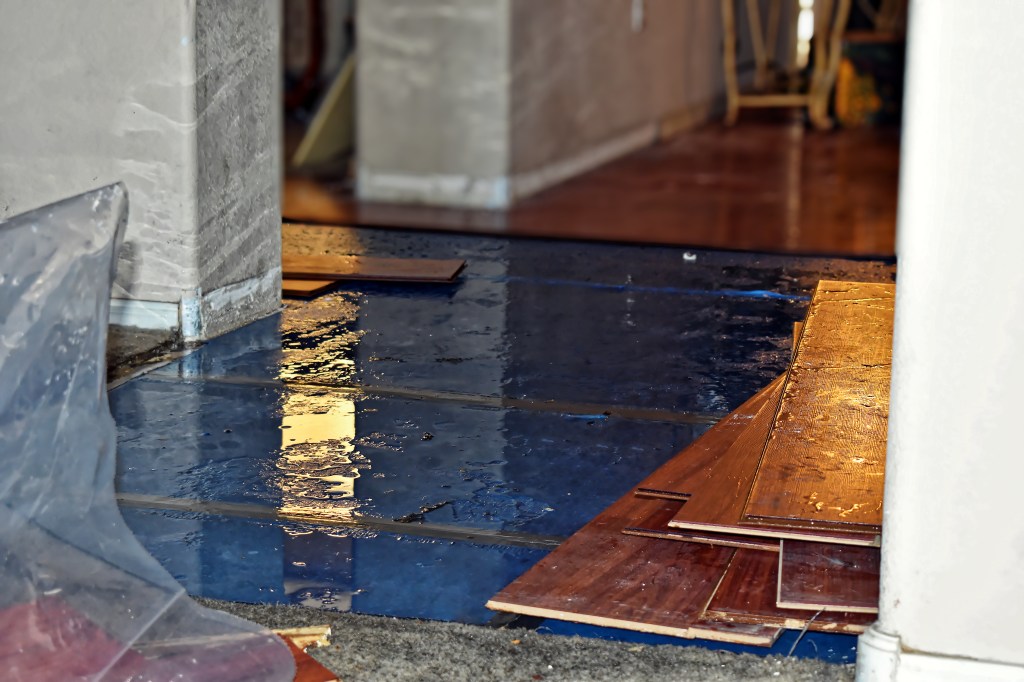
When a building sits idle, water becomes one of its quietest and most costly threats. With fewer eyes on the property, unnoticed water leaks from the domestic water supply, condensation, or minor system failures can quietly spread, increasing flood risks and causing further damage long before anyone intervenes. What begins as a slow drip or pooling water can escalate into structural damage, damaged building materials, mold growth, and extensive repairs. This heightened exposure reinforces the need for water damage prevention in vacant properties and more disciplined, proactive idle building water risk management.
It’s no surprise that insurers increasingly identify water loss as a leading driver of claims, exclusions, and rising premiums. A clear, written Water Damage Mitigation Plan for Idle Buildings gives owners a practical roadmap to control water supply risks, detect water leaks early, respond quickly to intrusion, and limit further damage, protecting both the physical asset and its long‑term insurability.
Map Where Water Intrusion Can Actually Damage Your Idle Building
Before drafting procedures, owners need a clear picture of where water can actually enter, move through, or escape an idle building, and where it would cause the most harm if something goes wrong. That starts with mapping the property both on paper and in person, with close attention to all major water systems, including roofs and drainage, exterior grading, basements, mechanical rooms, and equipment areas. Domestic water lines, sprinkler mains, HVAC systems and their condensate lines, and even seemingly low‑risk fixtures like washing machines or closed amenities can all become sources of hidden leaks that drive up future repair costs if left unchecked.
A simple building map that shows where water enters, where it is meant to exit, and where a leak would create the greatest damage turns a vague concern into a focused risk assessment. By identifying these high‑risk zones up front, owners can strengthen idle building water risk management efforts and prioritize inspections, controls, and response measures where they matter most, before minor failures escalate into costly repairs or structural damage.
Build A Simple Routine: Daily, Weekly, and After-Weather Checks
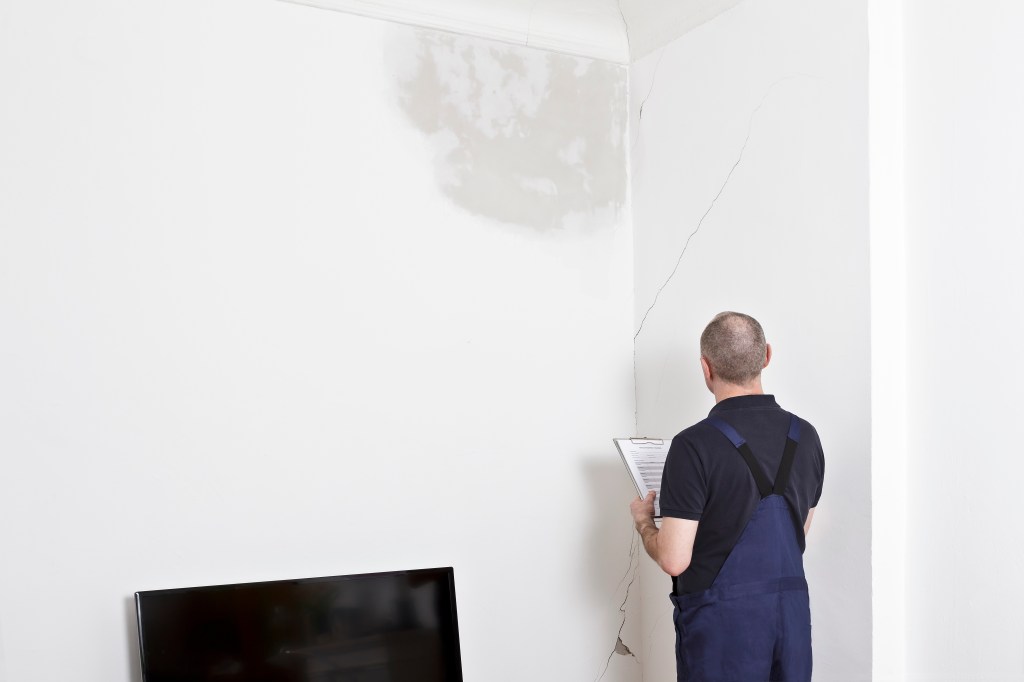
Idle buildings still need rhythm. A strong approach to water damage mitigation for idle buildings focuses on simple, repeatable routines that save time and reduce risk, rather than complex systems. Short daily checks (or as frequently as practical) help identify obvious leaks around mechanical spaces and isolate a water source quickly, while daily and weekly idle building walkthroughs scan ceilings, walls, and floors for early warning signs before problems spread. Catching issues at this stage prevents small failures from escalating into extensive damage.
These routines should be reinforced with targeted inspections after heavy rain, freeze‑thaw cycles, or major storms, forming a practical seasonal water damage prevention checklist that adapts to changing conditions. Together, these checkpoints create a steady cadence that keeps water risks visible, even when the property isn’t occupied. For vacant building owners, the goal isn’t perfection; it’s consistency. Regular, predictable inspections ensure water intrusion never has the time, access, or isolation needed to cause costly and disruptive damage.
Identify Shut‑Off Valves, Controls, and Emergency Response Points
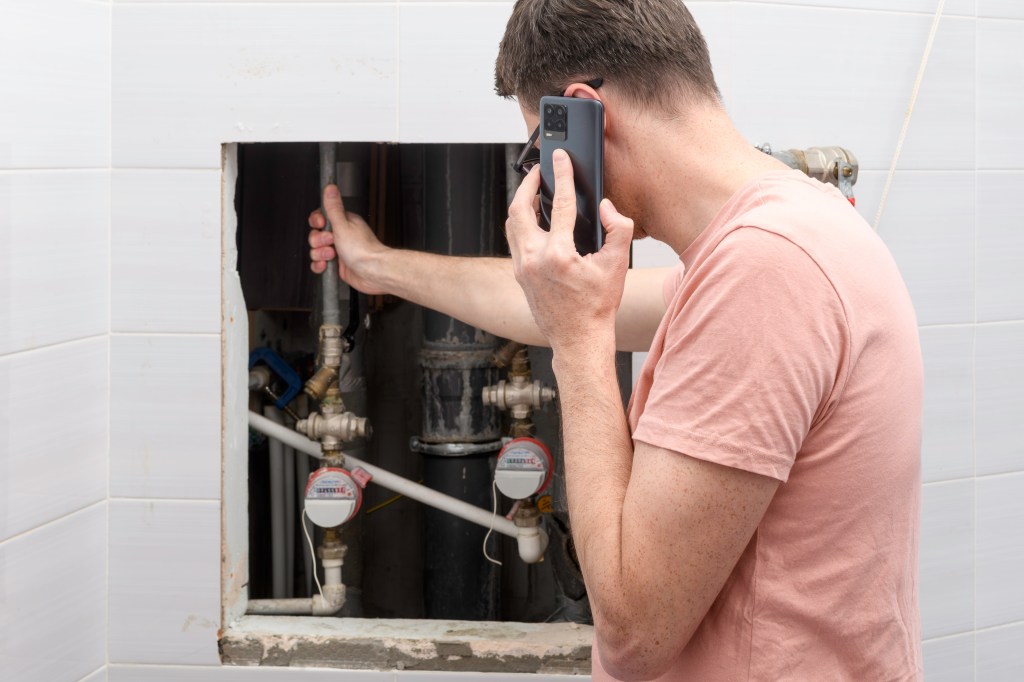
When a pipe bursts or a line fails in an idle building, response time often determines whether the outcome is a minor cleanup or a major loss. An effective emergency water damage response plan identifies all critical water valves, system controls, and emergency shut-off points. This includes domestic water lines, equipment feeds, and, where permitted, fire protection systems, ensuring that responders can quickly isolate the water source. This process should begin with a single walkthrough to document each valve’s location, labeling, and purpose, ensuring there’s no confusion in the moment. Fast access to shut‑off points not only limits active water flow but also reduces secondary impacts like saturated materials and loose debris that complicate cleanup.
That information can then be distilled into a concise building water shut‑off map and procedures sheet, with step‑by‑step instructions outlining who is authorized to close systems and in what order. Kept with building keys and emergency contact numbers, this one‑page reference eliminates hesitation during an incident and supports faster coordination with water damage restoration vendors once the source is controlled. By shortening response time and reducing uncertainty, owners minimize damage severity and keep restoration efforts focused, efficient, and insurable.
Use Technology to Detect Leaks and Protect Damaged Materials Before They Become Claims
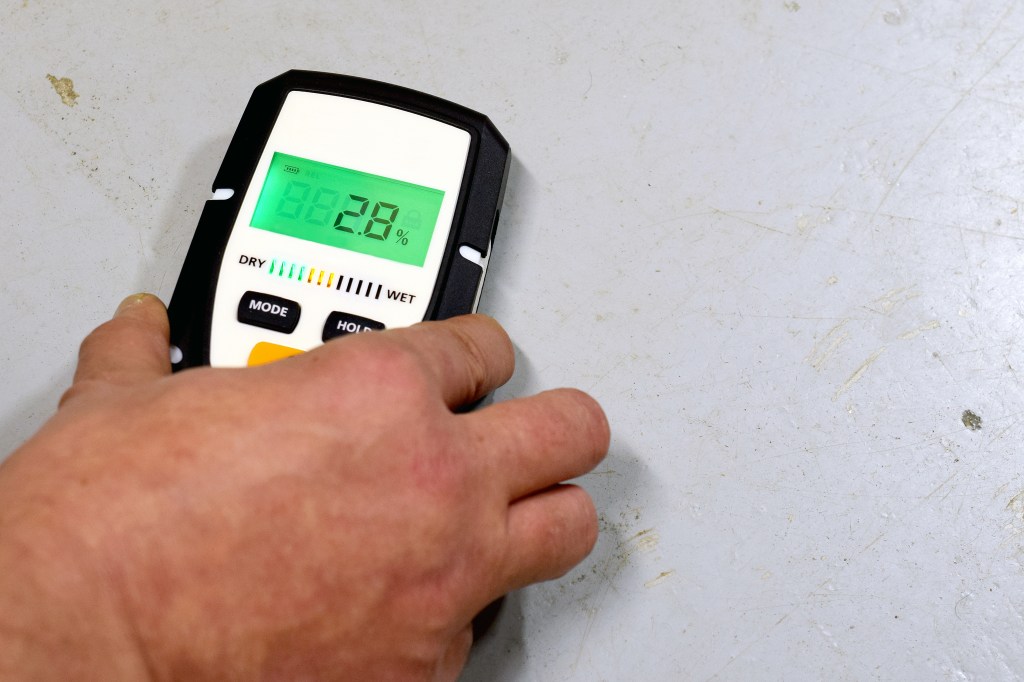
Manual walkthroughs are essential, but idle buildings, especially multi‑family buildings, are unoccupied most of the time, which is where technology plays a critical role in stopping water damage before it becomes a claim. Modern water mitigation systems for commercial buildings, including smart shut‑off valves, point‑of‑leak sensors, and AI‑based monitoring platforms, can track abnormal flow patterns, detect moisture where it doesn’t belong, and alert owners or property managers in real time.
These systems are particularly valuable for identifying hidden threats like slow leaks or sewage backups, which can spread rapidly across multiple units when no one is on‑site. Many leak detection systems can automatically shut off valves at the source, reducing damage and preserving the conditions necessary for proper documentation during response and restoration.
For vacant or low‑occupancy properties, adding remote water monitoring in high‑risk zones, such as mechanical rooms, vertical risers, shared kitchens, and top‑floor restrooms, provides an additional layer of protection. This approach helps reduce the likelihood of severe losses, supports clearer incident records, and demonstrates proactive risk control that insurers increasingly expect, particularly in multi‑unit residential environments.
Define The First Hour: What to Do When Water Is Discovered
When water is discovered in an idle building, the first hour is critical, and an effective emergency water damage response plan removes guesswork by clearly defining the first steps after water damage. Step one is always safety, assessing electrical hazards, potential structural sagging, and contamination risks before anyone enters the affected area. Once responders determine that conditions are safe, they should stop the water source if possible. This may involve closing a valve or isolating a system to prevent further damage to items and building materials, such as drywall.
From there, clear direction should prompt thorough documentation with photos and notes, rapid protection or removal of at‑risk contents, and immediate notification of the designated contact responsible for contractors and insurance. Early attention to water‑impacted drywall and contents helps define the scope of loss and speeds decisions around drying, removal, and repair. By outlining these actions in advance, owners support faster recovery, reduce claim severity, and protect long‑term business continuity after a water event.
Start Cleanup and Drying Early to Prevent Mold In Empty Spaces
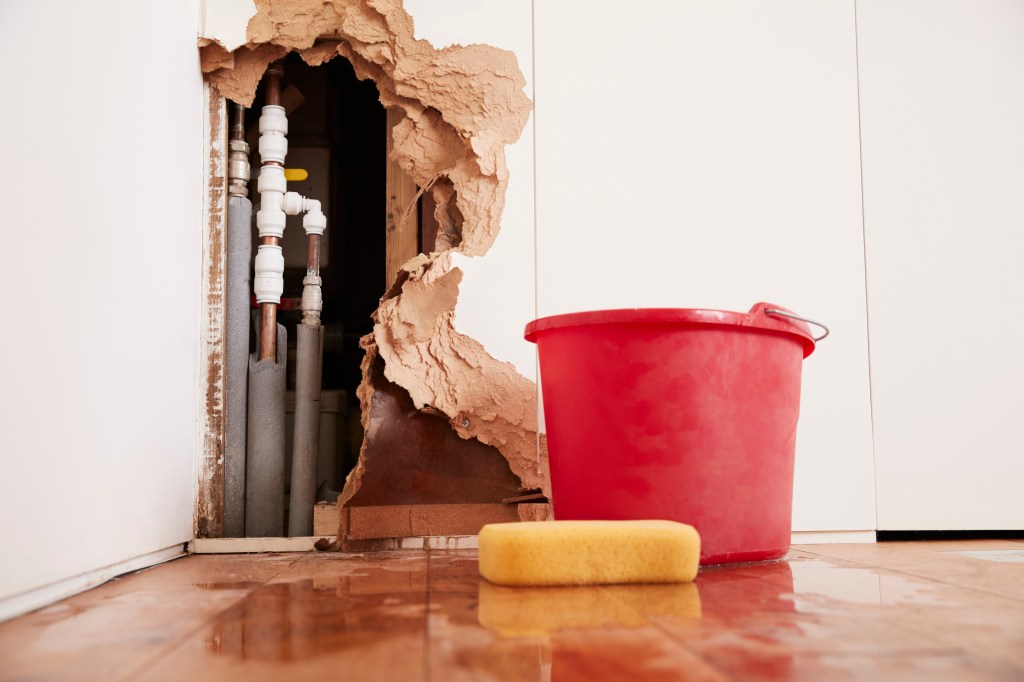
In empty or low‑occupancy buildings, drying and cleanup require extra urgency because limited heat and airflow allow moisture to linger. Water from weather‑related events, failures in building water systems, or human error can leave materials damp for extended periods, quickly creating mold, secondary damage, and safety concerns. Without active oversight, small moisture issues can escalate fast.
A practical water damage mitigation plan establishes clear thresholds, requiring property owners to dry or remove wet materials within a specified number of hours and outlining drying procedures for vacant properties. This includes pre‑approved vendors who can deploy pumps, dehumidifiers, and air movers quickly, along with clear protocols for safe building access, authorization of work, isolation of affected systems, and moisture verification before closing up walls or ceilings. Treating drying and mold prevention as a controlled, safety‑focused process helps limit long‑term repairs, health risks, and insurance complications.
Document Property Damage Incidents to Simplify Claims and Renewals
In an idle building, a single water incident can influence how underwriters assess risk long after cleanup is complete, making idle building water risk management as much about documentation as prevention. An effective mitigation plan not only controls the damage but also outlines how to document water incidents to assist with the insurance claims process. You should include details such as when you discovered the leak, which systems were affected, how long water was present, and what steps you took to stop, mitigate, and remediate the damage.
Maintaining a simple incident file with photos, contractor reports, moisture readings, and invoices allows property owners to present a clear, credible narrative throughout the insurance claims process. This level of organization supports effective water damage insurance claim preparation, speeds adjuster review, and demonstrates disciplined risk management. Consistent documentation over time helps achieve better outcomes when insurance companies review, renew, or re-underwrite coverage.
Align The Plan with Your Insurance Provider’s Conditions and Deductibles
Many insurers now expect commercial and habitational property owners to maintain a formal water damage mitigation plan for idle buildings, especially when properties are vacant or only lightly occupied. This expectation has grown as losses tied to severe weather events, aging infrastructure, and uncontrolled interior water sources continue to rise. Aligning the mitigation plan with the insurance policy is critical and can provide valuable water damage prevention insurance claim insight before a loss ever occurs. Reviewing policy wording alongside procedures can uncover gaps such as higher deductibles for internal water damage, coverage distinctions for gray water versus clean water, exclusions for slow or long‑term seepage, or strict reporting timelines following an incident.
Those requirements shouldn’t live only in the policy; they should directly inform inspection frequency, technology investments, escalation thresholds, and water damage insurance claim preparation steps. By tailoring mitigation measures to what the policy and insurer actually require, owners reduce the risk of coverage disputes and ensure their plan actively supports insurability, even after weather‑driven events or internal system failures occur.
Adjust The Mitigation Plan for Seasonal and Operational Changes
Water risk in an idle building changes with the seasons and the way people use the property, which makes managing idle building water risk an ongoing process rather than a one-time effort. A building sitting empty in January faces very different exposures than that same building in July, which is why an effective mitigation plan should include a concise seasonal water damage prevention checklist that also accounts for changes related to construction activity. Construction or renovation activities can create new water risks through temporary shutdowns, exposed systems, and altered drainage if you do not explicitly address them.
Winter measures often focus on maintaining heat, insulating or draining vulnerable lines, and burst pipe prevention in empty buildings, while spring brings checks for snowmelt, roof damage, and exterior drainage, especially in areas impacted by active or completed construction. During heavy rain or storm seasons, attention should shift toward roof drains, sump systems, temporary seals, and backup power readiness. In addition to weather, changes such as partial occupancy, ongoing construction, renovation work, or system decommissioning should prompt a quick review of plans to ensure that water controls align with how people actually use the building throughout the year.
Turning A Single‑Building Plan into A Portfolio‑Wide Risk Assessment Playbook

For owners managing multiple idle or partially occupied properties, the real value of a water damage mitigation plan comes when it evolves into a standardized, portfolio‑level water damage mitigation strategy. Starting with a detailed plan for the highest-risk building allows us to create a proven template that we can adapt for the entire portfolio, making specific adjustments for valve maps, vendor contacts, inspection schedules, and seasonal risks.
This consistency strengthens idle building water risk management by making staff training more efficient, improving visibility across sites, and allowing owners to compare performance and incident trends. It demonstrates to insurers that property managers are intentionally and systematically handling water damage mitigation for inactive buildings, rather than leaving it to chance or managing it inconsistently. Over time, a uniform playbook turns water risk from a series of isolated challenges into a coordinated, insurable approach across the entire portfolio.
Sources:
https://www.mass.gov/info-details/quick-reference-water-damage-response-in-buildings
https://assets.thehartford.com/image/upload/vacant_idle_building_protection.pdf
https://www.hubinternational.com/blog/2018/08/water-damage-mitigation-plan/
https://acera.ca/how-water-mitigation-systems-protect-your-home-and-insurance-coverage
https://www.goodlifeconstruction.com/blog/first-steps-after-water-damage/
https://www.risk-strategies.com/blog/water-damage-prevention-insurance-claim-tips
https://wint.ai/blog/water-damage-mitigation-securing-a-leakproof-building/