
Permit Touchpoints During Vacancy: What Owners Should Know
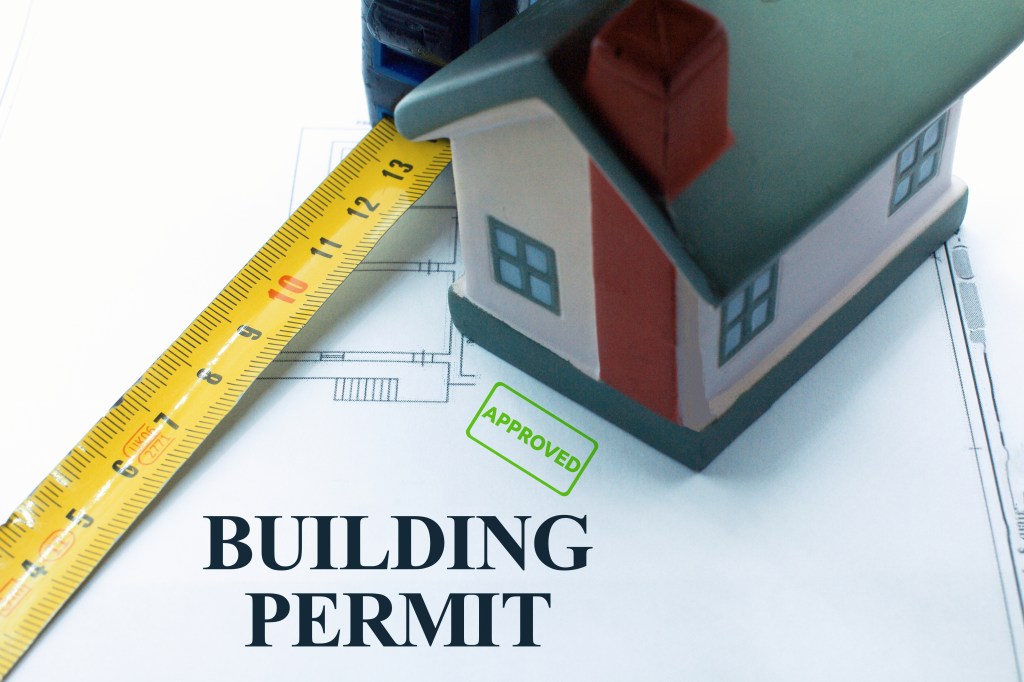
Before starting any work on a vacant property, property owners should always check with their local jurisdictions to confirm permitting requirements, as rules vary widely and even minor projects may require approval. When a property sits vacant, even small construction projects can introduce significant risks if owners or contractors overlook the necessary permits. Permit touchpoints during vacancy are specific decision points where property owners must determine whether a project legally requires a permit, typically when routine repairs, upgrades, or cleanup involve construction, electrical, plumbing, or structural changes that trigger local code requirements. Missing those touchpoints doesn’t just invite fines; it can lead to denied insurance claims, policy cancellation, or refusal to renew coverage, while also complicating resale, delaying inspections, and raising red flags during underwriting or claim investigations.
By understanding when to pause, verify permit needs, and document construction work as part of risk management for renovations in vacant buildings, owners can protect property value, avoid costly setbacks, and keep future transitions on track. Extended vacancy can also void standard home insurance policies, requiring a vacancy permit or endorsement to maintain coverage.
Common “Minor” Projects That Actually Require a Permit
The frequent overlap between seemingly “minor” work and permit requirements often catches many owners off guard. Home improvement projects that often require permits include replacing a water heater, modifying window or door openings, moving or adding electrical outlets, or reconfiguring plumbing systems, because most municipalities require permits for any work that alters electrical, plumbing, or structural systems.
A common scenario occurs when an owner or contractor freshens up a vacant rental before listing: they swap out plumbing or relocate an outlet to boost appeal, only for inspectors or underwriters to later flag the change as unpermitted work. Using a simple vacant home renovation permit checklist and calling your local permitting office or checking your municipality’s building department website to confirm requirements, helps owners avoid compliance issues, delays, and insurance complications.
Electrical, Plumbing, And Structural Work: The Bright Red Lines
Electrical, plumbing, and structural changes draw a clear line where “light touch” vacancy work ends and permit requirements begin, often catching homeowners off guard. Projects that touch the electrical panel, involve rewiring a room, relocate a sink, or alter a wall that affects the building’s structure fall squarely under electrical and plumbing permits for empty houses and strict structural building permit rules.
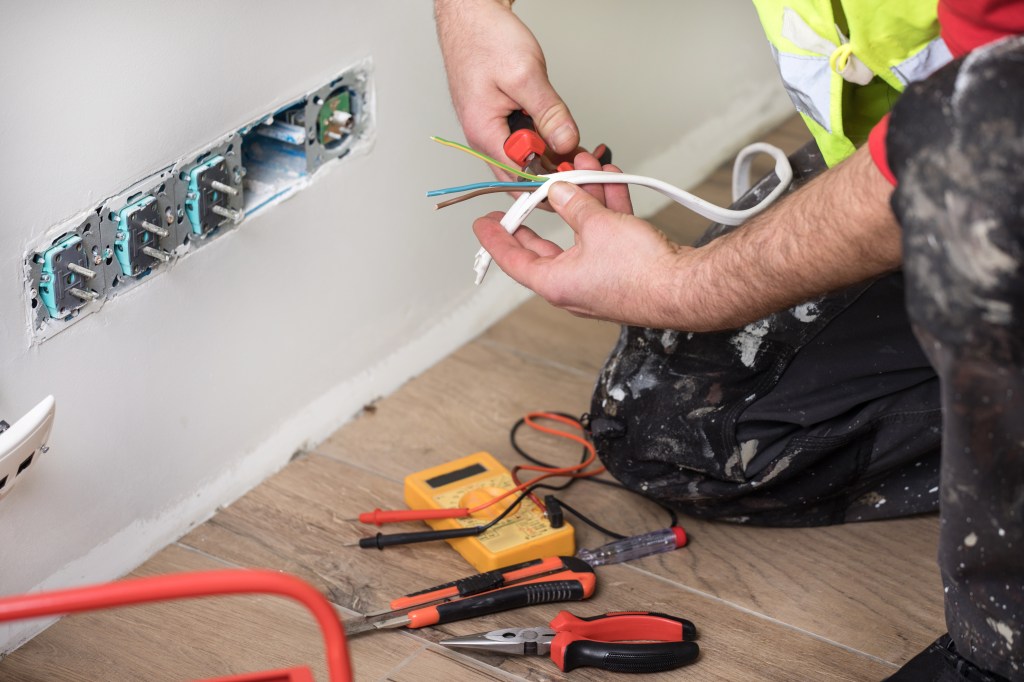
These systems sit behind the walls, where errors can lead to fires, leaks, mold, or structural failure and, where unpermitted work is often classified by insurers as negligence, increasing the likelihood of claim denial if damage occurs. That risk is why most jurisdictions require detailed plans, inspections, and official sign-off, ensuring the work meets code, is safe for occupancy, and remains insurable over time. For empty buildings, this behind‑the‑scenes work is exactly what insurers, inspectors, and future buyers scrutinize most closely, making it the area where owners should be the firmest about not moving forward without proper approval in place.
Interior Cosmetic Work: Where You Have More Flexibility
Interior cosmetic work is typically where vacant property owners have the most flexibility because it does not modify regulated systems like electrical, plumbing, or structural components, which are the primary triggers for permit requirements. Projects like painting, replacing flooring, swapping cabinets or fixtures on a like‑for‑like basis, and refreshing finishes in the same locations are common cosmetic upgrades for vacant properties and usually don’t require permits because they don’t alter core systems.
This gives owners room to make an empty space feel clean, updated, and market‑ready without slowing momentum with formal approvals. To avoid unpermitted work that goes beyond cosmetic changes, the team must recognize when moving a fixture, altering wiring, or reconfiguring plumbing pushes the project into permit‑required territory. Understanding where that line sits helps owners improve presentation while staying compliant and avoiding avoidable issues later.
Exterior Changes and Site Work Owners Often Overlook

Teams often overlook permit requirements for exterior changes and site work, even though these highly visible remodeling upgrades are closely regulated.
Municipalities regulate deck additions or expansions, retaining walls, grading adjustments, and fencing under local zoning and safety ordinances, so these projects commonly require permits. For example, a city can quickly issue a stop‑work order on a “simple new deck on a vacant home” if inspectors discover the builder completed it without drawings, zoning review, or inspections.
To obtain approvals smoothly, owners should pause early to assess scope and requirements. Because these projects often involve small renovations that still require permits, officials can easily flag unapproved changes in exterior work, potentially impacting coverage if losses occur later. Taking time to assess permit needs upfront is critical, as unpermitted exterior work can result in stop-work orders, fines, or complications with insurance claims if damage occurs later.
How Unpermitted Work Can Complicate Insurance Coverage on Empty Buildings
Unpermitted work isn’t just a paperwork issue, it is a material insurance risk that can affect claims, underwriting, and policy status. Vacant property policies already face extra scrutiny because losses can go unnoticed and escalate quickly, and undisclosed upgrades, such as installing new electrical, plumbing, or structural elements, can raise immediate red flags. Even if owners assume a project was limited in scope, insurance companies may deny claims if they link damage (such as fire, water loss, or theft) to unpermitted or non-code-compliant work.
Following inspection and permit rules for empty homes helps shift permits from a box‑checking exercise into risk documentation, showing the work was reviewed and compliant. That paper trail strengthens the claim narrative and helps insurers fill in the full story of what happened on site, protecting coverage as much as it satisfies local authorities. If an insurer discovers unpermitted work during an inspection or claim investigation, they may cancel the policy or refuse to renew it, especially if they deem the work negligent or unsafe.
Touchpoints Before, During, and After Work Begins
Permit touchpoints during vacancy typically occur at three critical stages: before work begins, when project scope changes, and before project completion or inspection sign-off. Knowing when to pause work for permit approval starts at the planning stage, when owners first sketch improvements or line up contractors, by checking requirements against a simple vacant home renovation permit checklist.
That pause should happen again if the project expands, such as deciding to “add one more outlet” or move a wall mid‑stream. The team schedules the final touchpoint before closing walls, concealing systems, or marketing the property to ensure everything aligns with approved plans.
Stopping at these moments may feel cautious, but it’s far cheaper than undoing finished work or addressing questions raised later by inspectors, buyers, insurers, or building departments.
Coordinating Required Permits with Vacant Property Inspections
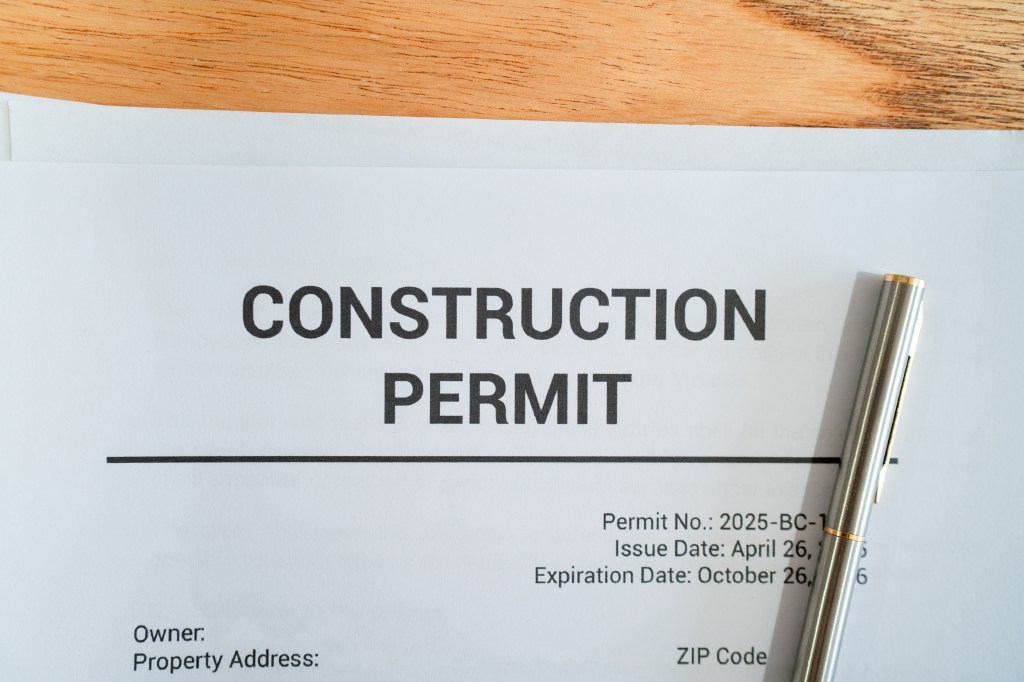
Coordinating permits with vacant property inspections can streamline compliance and reduce redundant site visits while keeping documentation aligned. Many insurers already set expectations around vacant property inspection frequency, often requiring checks after 30, 60, or 90 days of vacancy, or following severe weather, which creates a natural opportunity to align those visits with permit milestones.
During inspection check‑ins, owners can confirm that permitted work is progressing as approved, document conditions and updates with photos or reports, and verify that the property still aligns with disclosed conditions under applicable inspection and permit rules for empty homes.
By syncing permit oversight with insurer‑required inspections, a single visit can support insurance compliance for vacant properties, satisfy building department requirements, and reduce the risk of surprises during claims, renewals, or resale reviews.
Working With Contractors: Who Owns the Proper Permit Process?
Working with contractors during a vacancy raises an important question: who owns the permit process when you’re renovating, maintaining, or preparing a property for selling? In many jurisdictions, licensed contractors are expected to manage permit applications, but property owners ultimately must ensure they obtain and approve all required permits.
That’s why it’s smart to treat permits as part of a vacant home renovation permit checklist, asking direct questions before signing a contract and insisting on seeing the permit card, approval notice, or inspection schedule once work begins. Fact‑checking those details early helps prevent gaps from appearing later.

For vacant properties, where oversight is limited and scrutiny increases during resale or underwriting, teams must clearly document all permitted work to build a property file with strong, defensible records. A contractor who manages approvals and inspections correctly can be the difference between a smooth turnover and a tangled trail of corrections, delays, and compliance issues surfacing at exactly the wrong moment.
How To Confirm Permit Requirements Before You Touch Anything
Confirming permit requirements before any remodeling work begins is one of the simplest ways to avoid unnecessary delays, added cost, and mid‑project surprises on a vacant property. Because building and zoning rules are highly local, the only reliable way to confirm permit requirements is to contact your local building department directly or review official municipal resources.
A smart first step is to outline the full scope of planned work, especially items that may fall under minor home improvement permit requirements or local zoning rules for vacant property renovations, and clearly ask which elements require permits, inspections, or approvals.
By taking this step while the property is idle, before ordering materials, signing contracts, or scheduling contractors to pay for labor and supplies, owners give themselves time to adjust the scope proactively instead of reacting to a costly stop‑work order. That early clarity keeps projects efficient, budgets predictable, and decision‑making squarely in the owner’s control.
Creating A Simple Permit Touchpoint Checklist for Your Vacant Property
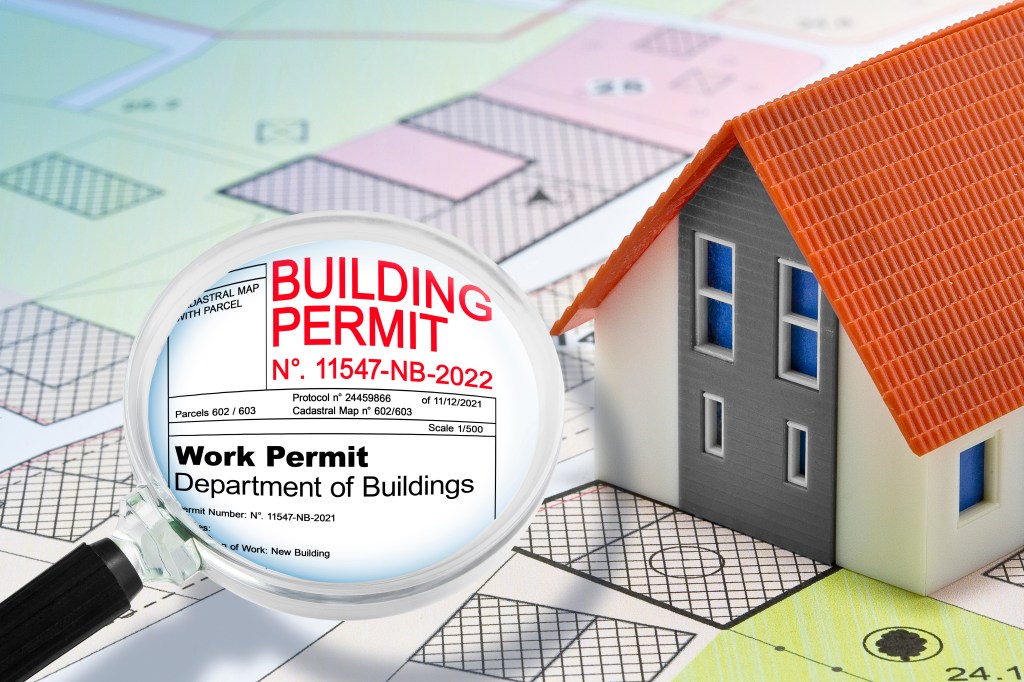
Using a simple permit touchpoint checklist helps ensure the team pulls all required permits, completes inspections, and properly documents the work for insurance and compliance purposes. The team can maintain a one‑page document in the property file that covers the essentials of vacant property building permits by clearly describing the planned work, confirming whether permits are required, noting permit numbers, scheduling inspections, capturing a few photos after signing off on the work, and identifying who to contact with questions.
For owners juggling multiple vacant buildings, that checklist becomes a practical safeguard, helping small projects stay truly “small” instead of triggering big rules that cost time and money. This documentation creates a clear record that supports insurance claims, proves code compliance, and reduces the risk of disputes during resale or underwriting. Just as importantly, it supports documenting permitted work on vacant property, creating a clear paper trail that keeps building officials and insurers comfortable and helps protect value when it’s time for renewal, underwriting, or eventual sale of the property.
This article is intended for informational purposes only and you should not interpret anything contained in it as legal advice. J.H. Ferguson & Associates, LLC, its parents, affiliates, and anyone connected with them are not responsible or liable in any way for your use of the information contained in or linked to from this article. Reliance on the information provided in this article is solely at your own risk. If you have questions about property laws or any of the topics addressed in the article, you should contact an attorney or subject-matter expert.
Sources:
https://www.reddit.com/r/HomeImprovement/comments/mq4cj5/doing_work_before_permits_are_approved/
https://realmhome.com/blog/what-renovations-require-permit
https://www.quora.com/What-types-of-permits-are-required-for-minor-home-renovations
https://stlouiscountymo.gov/st-louis-county-departments/transportation-and-public-works/commercial-building/commercial-guides/business-information/how-do-i-obtain-a-building-permit-to-do-renovations-before-i-move-in/
https://www.investopedia.com/financial-edge/1012/home-improvements-that-require-permits.aspx
https://kbdinsurance.com/blog/house-checkups-insurance-purposes/