
Vacant Property Insurance Options Explained Clearly
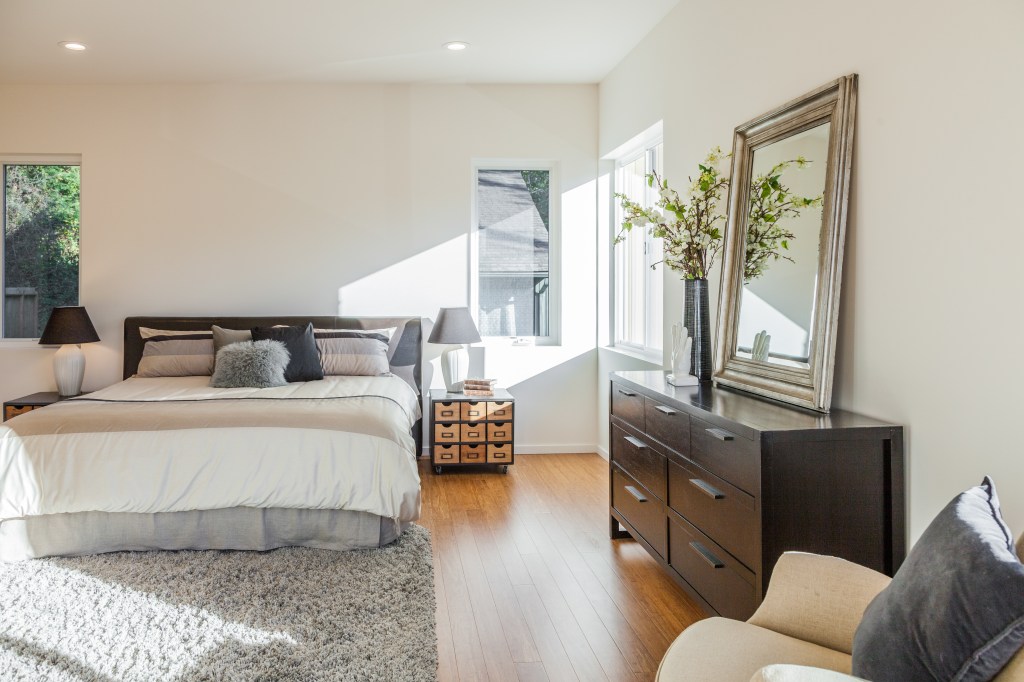
Two properties can both be labeled as “vacant,” but they may pose significantly different levels of risk from an insurance standpoint. A clean, staged home sitting empty for a short period of time between tenants typically presents far less risk than a boarded‑up building on a busy corner facing foot traffic, vandalism, and deferred maintenance. That distinction is exactly why vacant home insurance cover is not one‑size‑fits‑all.
Insurers evaluate unoccupied properties based on how long the buildings will remain vacant, how they are being used, and the conditions of the surrounding neighborhood. Choosing appropriate coverage means matching the insurance solution to the true risk of the asset, rather than relying on a generic vacant policy that may leave critical exposures unprotected.
When A Personal Property Is Officially Considered Vacant
Insurers don’t rely on everyday language when determining whether a property is occupied, unoccupied, or vacant. Each insurance company has its own specific underwriting definitions regarding property occupancy. A home typically starts as unoccupied. However, if the owner leaves it empty for longer than the time limit specified in the insurance policy and removes most personal belongings, the insurance company will reclassify it as a vacant home.
Understanding the difference between vacancy insurance and standard homeowners’ insurance is crucial because they respond differently when a property becomes vacant. This means that standard coverage may have limitations or exclusions unless the homeowner chooses a vacancy-specific insurance solution. Understanding how your insurance company defines vacancy and seeing a real‑world example of how an unoccupied home can cross that line is often the first step in avoiding coverage gaps and securing protection that truly matches the risk.
Standard Home Policies Versus Purpose-Built Vacant Home Policies
Homeowners and landlords create policies that cater to regular occupancy, ensuring people come and go, routine upkeep is performed, and issues are noticed and addressed promptly. That assumption breaks down once a property becomes truly empty, which is the core distinction in vacancy insurance vs. homeowners’ insurance. An unoccupied property faces a higher likelihood of fire, vandalism, theft, and slow‑developing damage that may go unnoticed for weeks, exposures that traditional policies aren’t designed to absorb. Vacant dwelling insurance options and vacant building insurance coverage are specifically structured to respond to these elevated risks.
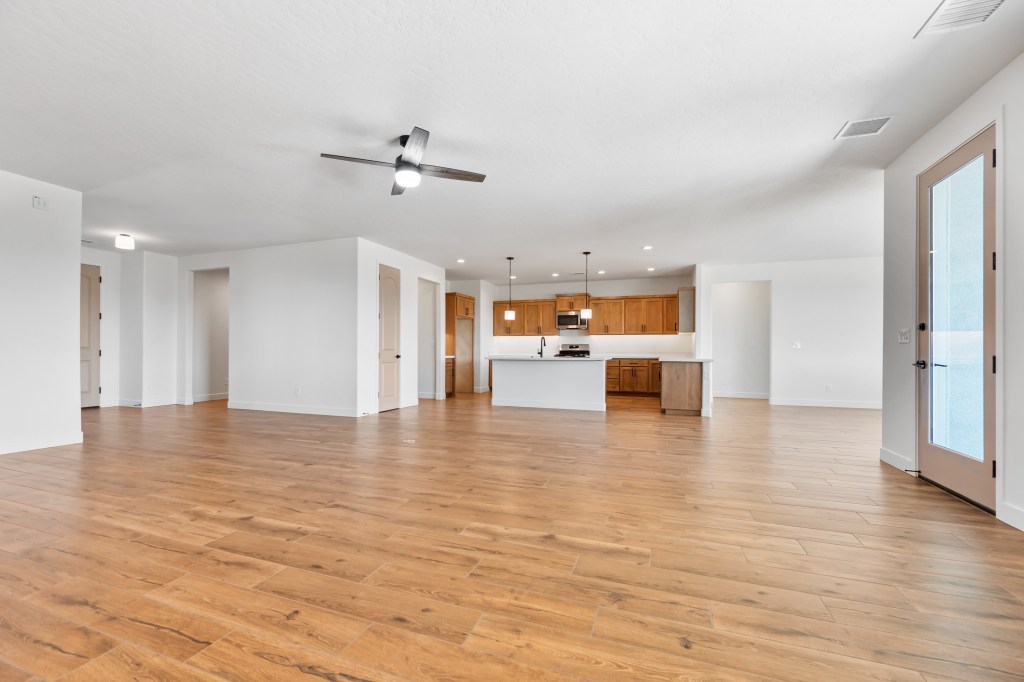
While vacant‑specific policies or endorsements often carry a higher per‑day cost, they are frequently the only way to keep critical perils insured after a property crosses into vacancy. That added cost reflects the increased exposure an unoccupied property faces, and for many owners, it’s a necessary tradeoff to avoid significant coverage gaps while the building remains empty.
Short-Term Vacant Property Insurance For Brief Gaps
Not every vacancy signals long‑term uncertainty. Many gaps are brief, planned, and part of normal turnover for homes and commercial buildings alike. Short windows between tenants, a pending sale, or minor repairs before move‑in can often be managed through short‑term vacant property insurance, vacancy permits, or endorsements added to an existing policy’s vacancy clause, options that insurance agents commonly recommend when timelines are clear and controlled.
These temporary solutions are designed to bridge coverage during known downtime, assuming the owner is actively monitoring the property, utilities remain on, and inspections are routine. They tend to work best when the building is not drifting into extended disuse. When timelines become uncertain or oversight decreases, insurance agents often recommend transitioning from short-term endorsements. In this case, vacancy clauses may no longer apply, so you may need a more comprehensive vacant property policy to ensure essential protections are in place.
Long-Term Vacant Property Policies for Extended Emptiness
Some properties remain vacant for months, or even longer, while owners wait on major renovations, redevelopment plans, or a slow‑moving sale. In these situations, long‑term vacant property policies are specifically designed to address extended periods of emptiness, whether the exposure involves a single‑family residence, unoccupied home insurance, or large assets like high‑rise office buildings.
These policies are built around coverage assumptions that reflect sustained elevated risk and the distinct risk profiles associated with long‑term vacancy. Insurers often require additional safeguards, including documented inspections, secure locking or boarding, maintained utilities, and clearly defined maintenance protocols.
Long-term vacant property policies typically feature a more structured approach and include stricter conditions. They aim to remain stable over time and serve as a core component of comprehensive Vacant Property Coverage Options. For owners facing an extended timeline, securing the right long‑term solution is typically far safer than stretching short‑term coverage beyond its intended use, where gaps are far more likely to emerge.

High-Risk Profiles: Boarded, Repeated Losses, Or Challenging Locations
Not all vacant properties present the same level of exposure, and some clearly fall into a higher‑risk category. Buildings that are boarded up, located in high‑traffic or high‑crime areas, show visible neglect, or have a history of repeated losses often require high‑risk vacant property coverage due to increased concerns around unauthorized entry and damage, especially when the property has remained vacant for an extended period of time. These conditions heighten the need for stronger fire, vandalism, and liability coverage, as injuries, property damage, and related legal costs can escalate quickly when a vacant site is left unmonitored.
Policies written for higher‑risk vacant properties typically come with tighter terms and may require placement with specialty insurers experienced in underwriting difficult vacancy profiles. Owners should expect more detailed underwriting scrutiny and understand that proactive measures, such as improved lighting, alarm systems, regular inspections, and consistent maintenance, can significantly influence how the risk is evaluated. In higher‑risk scenarios, visible risk management isn’t optional; it’s often the deciding factor in securing viable coverage at all.
Lower-Risk Profiles: Clean, Monitored, And Lightly Used
By contrast, a clean, well‑maintained property that’s staged for sale or a lightly used building that’s checked on regularly can still be vacant without carrying the same level of exposure. These scenarios often qualify for lower‑risk vacant property insurance coverage, including situations such as seasonal vacant homes where utilities remain on, furnishings are in place, and oversight is consistent. Good housekeeping, basic security measures, and routine inspections reduce the likelihood of unnoticed damage or unauthorized access, factors that matter because many standard policies begin to exclude coverage when vacancy conditions aren’t properly addressed.
Because the risk is more controlled, coverage for these vacant properties is typically easier to place and may allow broader protection than properties showing visible neglect or extended disuse. Simple, consistent steps, such as documented walkthroughs, maintained utilities, and ongoing upkeep, can meaningfully shift a property into a more favorable underwriting category and help preserve coverage terms.

Coverage Building Blocks: Property, Liability, And Key Perils
Vacant Property Coverage Options are built from familiar insurance components, but they’re adjusted to reflect the realities of an empty building and the many factors that influence exposure. At the foundation is vacant home insurance coverage for the structure itself, with optional protection for any remaining contents such as appliances, fixtures, or staged furnishings. Liability coverage remains critical even when no one occupies the property, responding if a trespasser, contractor, or passerby is injured on‑site, an exposure that often presents more risk than owners expect.
From there, policies layer in specific perils, frequently on a named‑peril basis, such as fire, wind, storm damage, or vandalism, with broader options sometimes available for lower‑risk situations. Because vacancy introduces more risk, insurers typically ask detailed questions about inspections, utilities, security, and maintenance before finalizing terms. Understanding these building blocks allows property owners to see that vacant coverage is not an all-or-nothing approach. They can customize each aspect to reflect the property’s actual exposure, resulting in protection that aligns with real-world situations rather than relying on a standard template.
What Vacant Property Policies Commonly Exclude
No policy covers every possible loss, and vacant property programs are no exception. Even when vacant building insurance coverage is in place, exclusions often apply to certain types of water damage, theft of specific materials, and other losses tied to long‑term deterioration that can occur when a house or building isn’t regularly occupied. Common coverage limitations include issues like slow leaks, mold growth, corrosion, and damage that remains unreported for long periods.
The goal isn’t to leave owners without protection, but to define clearer boundaries around risks that are harder to monitor in empty properties. Understanding these exclusions helps owners better protect their assets, avoid false assumptions, and ask informed questions about how policy limitations align with the real risks their vacant house or building faces.
Renovating, Rebuilding, Or Just Waiting: Different Uses, Different Coverage
Vacant properties take on various forms, so you should choose insurance coverage that matches the actual use of the building. Some properties sit completely idle while an owner waits for a sale or future plans, while others may be undergoing light cosmetic updates or full‑scale renovations with contractors on‑site. In these situations, insurance options for vacant dwellings often fail to adequately cover renovation-related risks, including on-site activities, tools, materials, and personnel involved in the work.
Being clear about whether a property is simply waiting or actively under construction is critical. Insurers often expect regular checks on the property and clear lines of contact if issues arise, and mixing vacancy and renovation uses without proper disclosure can lead to coverage gaps or claim surprises. Understanding this distinction is a key step in choosing vacant property insurance that responds as expected when a loss occurs.
How Security and Inspections Shape Your Coverage Choices
Most vacant property coverage options assume the owner is handling the fundamentals, securing doors and windows, managing utilities, performing regular inspections, and addressing obvious hazards before they escalate. These expectations differ sharply from properties that are occupied, and insurers rely on documented inspection schedules and visible security measures as proof that the owner is actively working to protect the building. Landlords demonstrate responsible management of risks like vandalism, fire, and unnoticed damage through this level of oversight, signaling to the insurance company their commitment to safety.
Consistent monitoring can open the door to better markets, broader terms, or more flexible underwriting options, even if there’s no such thing as a perfect policy. Conversely, missed inspections or unsecured properties often push owners into more restrictive and expensive coverage with tighter conditions. Owners of vacant properties should focus on their daily habits, as the security and monitoring of a building directly affect the available coverage options and the policy’s effectiveness in protecting the asset over time.
Matching Coverage to Your Timeline and Exit Strategy
A practical way to choose among Vacant Property Coverage Options is to start with the plan, how long the property will be empty, what’s happening to it during that time, and how ownership is expected to end, whether through sale, lease, or redevelopment. These factors create very different risk profiles than when a home occupied by residents is insured under standard homeowners’ coverage. That’s why short, clearly defined vacancies often align well with temporary solutions designed for quick turnarounds, while longer timelines or more complex projects typically require stronger, long‑term vacant policies built to remain in place.
Framing coverage decisions around “timeline plus plan” helps homeowners avoid choosing coverage out of habit and instead focus on what actually fits the exposure. Working through these details with an experienced insurance agent makes it easier to transition away from traditional homeowners’ assumptions and select vacant property insurance that stays proportional to risk, without over‑ or under‑insuring as circumstances change.
Working With a Broker to Dial in the Right Option for Each Property

Working with a broker can turn vacant property insurance from a guessing game into a focused, productive conversation, especially for owners managing multiple properties, locations, or vacancy timelines. By clearly outlining each property’s condition, location, risk profile, and expected vacancy duration, owners give the broker the insight needed to align the asset with the right Vacant Property Coverage Options. That context is critical when addressing common vacancy losses such as fire damage, burst pipe incidents, or leaky pipes that can go unnoticed in empty buildings and quickly escalate into major claims.
A knowledgeable broker then helps fine‑tune coverage details, adjusting deductibles, limits, inspection requirements, and security expectations to match both the risk and the owner’s goals. Over time, that tailored guidance becomes central to choosing vacant property insurance that supports a portfolio through periods of vacancy, helping protect against preventable losses while avoiding coverage gaps that could disrupt long‑term plans.
Sources:
https://insuranceindustryblog.iii.org/when-no-ones-home-understanding-roleof-vacancy-insurance/
https://www.thebig.ca/blog/title/vacant-home-insurance
https://srim.ca/products/vacant-dwellings-and-buildings/
https://ableinsurance.ca/services/vacant-home-insurance
https://getcertain.ca/vacant-property-insurance-vs-standard-home-insurance-whats-the-difference/
https://actsphereins.com/vacant-home-insurance/
https://usassure.com/resources/articles/what-does-vacant-home-insurance-cover