
Explaining Vacant Coverage for Brokers: Key Risks, Policies, and Property Types

When a property becomes vacant, it doesn’t just sit still, it shifts into a completely different risk category, and that’s a key point when explaining vacant coverage for brokers and insurance agents. Without someone on-site to notice a leak, secure the building, or respond to an issue, even small problems can escalate quickly into major losses. These are the types of exposures insurers focus on, especially since vacant buildings are more likely to attract vandalism, theft, or unauthorized entry, all of which increase the likelihood of claims, and potential insurance agent and legal costs tied to liability or damage disputes.
Because of this, standard policies, built for occupied properties, often reduce or exclude certain coverages once a building has been vacant for a set period. That’s where vacant property coverage comes in. It’s not just an extension of a standard policy; it’s a separate solution designed specifically for higher-risk situations, helping ensure owners aren’t left exposed or facing a denied claim simply due to vacancy.
For brokers and agents, the takeaway is straightforward: vacant coverage isn’t optional in these situations, it’s essential. It protects the property, helps manage potential legal and liability costs, and ensures there’s a clear, reliable safety net in place while the property is unoccupied.
Vacancy Clauses in Plain English: When Your Regular Policy Stops Working
Most property policies include what’s known as a vacancy clause, and it’s essentially the point where insurance coverage begins to change after an extended period of vacancy. Once a building sits empty long enough, often around 30 to 60 days, insurers may start to reduce or remove certain protections, even though the policy is still active. For property owners, this can create an unexpected gap if they don’t have the right coverage in place during that transition.
A property is generally considered vacant when there’s no regular activity or sign of ongoing use, which is different from a temporary absence. The risk increases because no one is there to catch issues early, meaning losses tied to vandalism, theft, or water damage are more likely, and often more severe. In other words, vacancy brings more risk, especially when problems develop over time, like a slow leak or burst pipe that isn’t addressed right away.
While this can catch owners off guard, it reflects how insurers view unattended buildings. Vacant properties behave differently from occupied ones, which is why coverage, pricing, and availability can shift so quickly, and why securing the right coverage for an extended period of vacancy is so important.
What Vacant Buildings Coverage Actually Protects: Perils, Liability, and Lender Requirements
Vacant coverage is designed to protect a building during the period when it’s most exposed, when no one is there to catch problems early. This is especially important for commercial properties and residential investments alike. With the right vacant home policy, coverage can include major structural risks like fire, wind, and hail, along with certain types of water damage, and added protection for theft and vandalism, losses that are more common when a property sits unattended. These policies also address liability, helping protect owners from legal and medical costs if someone is injured on the premises, since that exposure doesn’t go away just because the building is empty.
That said, it’s important for clients to understand that vacant coverage isn’t unlimited, there are still limits based on the property type, condition, and duration of vacancy. Lenders also expect continuous insurance to remain in place, particularly for commercial properties, to protect their financial interest. If coverage lapses, the risk goes beyond an uncovered claim, it can impact financing and the long-term value of the asset. Maintaining the right vacant coverage ensures the property stays protected, meets lender requirements, and remains secure while it’s between tenants, on the market, or undergoing renovations.

Cost Reality Check: Why Vacant Home Insurance Coverage Is Pricier, and How to Soften the Blow
Vacant coverage usually costs more, and that can catch property and homeowners off guard, whether it’s single family homes or other types of real estate, but it really comes down to risk. When a building is empty, or even sitting as one of many unoccupied homes, problems like leaks or break-ins can go unnoticed and quickly turn into larger, more expensive losses. Because of that, the cost of coverage reflects the added exposure during that period.
The good news is that vacancy is often temporary, and there are ways to manage costs while keeping the property protected. Aligning the policy with how long the property will actually be empty, keeping up with maintenance, and making sure it’s regularly checked all help position it as a lower risk. At the end of the day, vacant property insurance is about bridging that in-between period, so property and homeowners can protect their asset without paying more than necessary.
The Story Underwriters See: Condition, Security, and Oversight
When it comes to underwriting vacant properties, insurance companies are looking at much more than just location, they’re evaluating how the building is being managed day to day. This is especially true for buildings undergoing renovations, where conditions can change quickly. The state of the roof, any active leaks, broken or boarded windows, and whether heat and utilities are still running all play a role in how the risk is assessed, not just for the property itself, but also in terms of broader concerns like public health and safety implications tied to neglected or unsecured spaces.

These details are part of the core vacant property risk factors that signal whether a building is likely to deteriorate or lead to further exposure. Without proper oversight, small issues can grow into other losses, from water damage and structural deterioration to liability concerns if someone is injured on-site. That’s why security and consistency matter: locked entrances, adequate lighting, and meeting basic inspection expectations through regular check-ins all show that the property is being actively managed.
For owners, the takeaway is that this story is not fixed, it can be improved. Taking practical steps like securing the building, maintaining key systems, and scheduling regular walkthroughs can shift how the risk is viewed. In many cases, those efforts directly impact whether an insurance company is willing to offer coverage, and the terms that come with it.
Framing The Conversation: A Simple Script Brokers Can Use with Owners
Right now, your property is considered vacant, which means your standard policy may not respond to certain losses after a set period, particularly things like vandalism, theft, or water damage. Many policies have specific policy provisions that limit coverage once a building is empty, and in some cases, the valuation may shift to actual cash value rather than full replacement cost. What we’re doing is replacing that everyday coverage with something designed for this exact situation, a vacancy policy that reflects the higher level of exposure when no one is on-site to catch issues early.
From an explaining vacant coverage for brokers standpoint, it’s fairly straightforward: this helps reduce the chance of a denied claim, keeps your lender comfortable that coverage is still in place, and ensures the property remains protected while you decide what’s next. It also aligns with how an insurance company requires employees to review and underwrite vacant risks, based on condition, duration, and occupancy status. In practical terms, this just keeps things stable while the property is empty, so one unexpected issue doesn’t turn into a much larger problem.
Endorsement vs Standalone Policy Terms: Bridging Short Gaps Between Tenants
When a property is only going to be empty for a short stretch, there are two main ways to handle coverage, and it really comes down to timing. In many cases, you can add vacancy endorsement coverage to your existing policy, which provides short-term protection without fully replacing your current insurance. This can be a simpler, more cost-effective option, especially when the vacancy is brief and your rated carrier allows for it, though it’s important to understand that these extensions may still have limits and conditions, and in some cases may exclude coverage for certain risks over time.
However, there’s a clear point where that approach stops being effective. Once the vacancy stretches out, or the property moves into more extensive construction or renovation, you’re stepping outside what a standard policy is designed to handle. At that point, a standalone option like vacant building insurance becomes the better fit. These policies are built specifically for higher-risk, empty structures and help avoid the coverage gaps that can happen when relying too heavily on an endorsement.
A simple way to frame it: if the vacancy is short and predictable, and your carrier supports it, an endorsement can work well. But if the timeline is uncertain, the risk increases, or the property is undergoing construction, moving to a dedicated vacant policy is usually the safer way to stay fully protected.

Setting Owner Expectations on Insurance Coverage & Claims: Documentation, Honesty, And Timelines
When it comes to claims on a vacant property, the most important starting point is transparency. If a property is vacant, that should be clearly disclosed upfront, otherwise, it can lead to complications later, including the risk of a denial under vacant home insurance if certain losses aren’t considered covered once vacancy thresholds are reached.
From there, success comes down to strong documentation. Clearly documenting vacant property condition, tracking any maintenance or security updates, and following basic inspection routines all help show that the building is being actively managed. This also supports liability coverage, since proper oversight can reduce the risk of incidents or disputes tied to injury or damage on the property.
If a loss does occur, reporting it promptly is just as important. Delays can make the process more difficult and raise questions around timing, cause, or whether the loss is fully covered.
Ultimately, consistent documentation and active oversight are key. A well-managed property is easier to support during the claims process and more likely to remain fully protected under a vacant home insurance policy over time.
Where Specialty Markets Fit: When Standard Insurance Companies Won’t Play
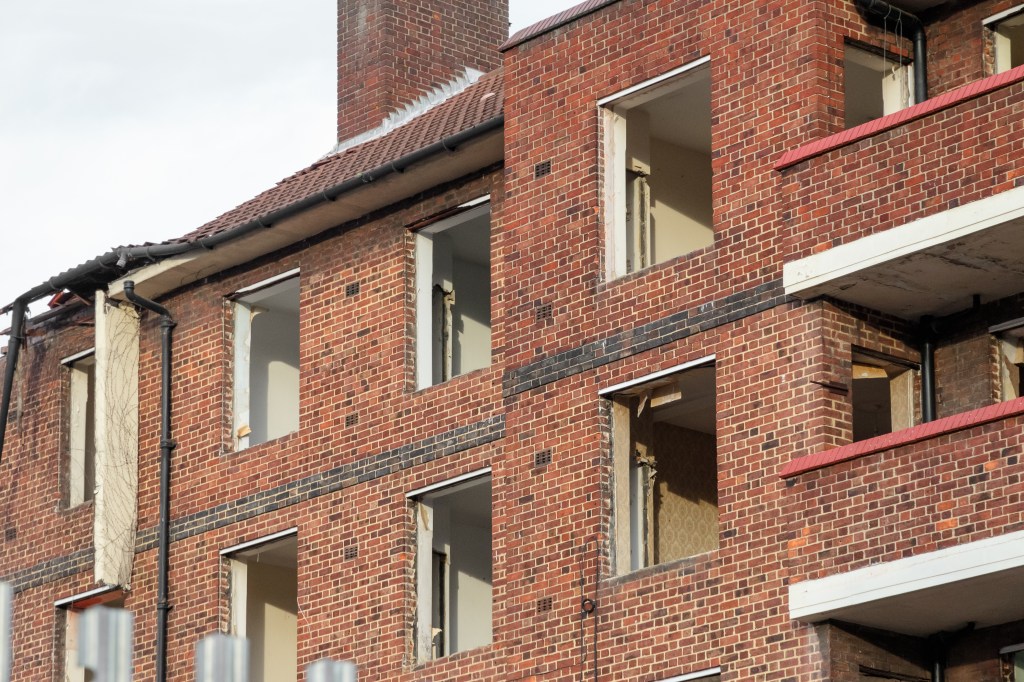
Not every vacant property is going to fit neatly into a standard insurance box, and that’s okay. Whether it’s unoccupied properties, small portfolios of single family homes, or larger assets like partially vacant strip malls, some risks simply fall outside what traditional carriers are designed to handle. When that happens, brokers don’t stop, they just look at alternative vacant property insurance options to keep coverage in place for homeowners and investors.
That’s where specialty markets come in. Often structured through a commercial vacant property program, these options are built specifically for properties that don’t follow the typical path. For things like investor-owned real estate coverage, where vacancy, turnover, or renovations are part of the plan, this approach can actually be a better fit. It allows coverage to be tailored to what’s really happening with the property instead of forcing it into a standard policy.
At the end of the day, this isn’t a downgrade, it’s just a different way to solve the problem. Specialty markets give brokers more flexibility to match coverage to the situation. And as these programs become easier to access, it’s getting simpler to connect everything from single family homes to strip malls with the right protection—without slowing the process down or making it more complicated than it needs to be.
Sources:
https://insuranceindustryblog.iii.org/when-no-ones-home-understanding-roleof-vacancy-insurance/
https://www.breckis.com/commercial-vacant-properties/
https://giocanada.org/vacant-property-risk-and-your-insurance-policy/
https://www.bankrate.com/insurance/homeowners-insurance/vacant-home-insurance/
https://distinguished.com/blog/vacant-building-insurance-coverage/
https://www.amerisave.com/learn/critical-facts-about-vacant-home-insurance-costs-in
https://schneider-insurance.com/vacant-home/