
Mitigating Fire Risk on Vacant Lots: Essential Strategies for Safety
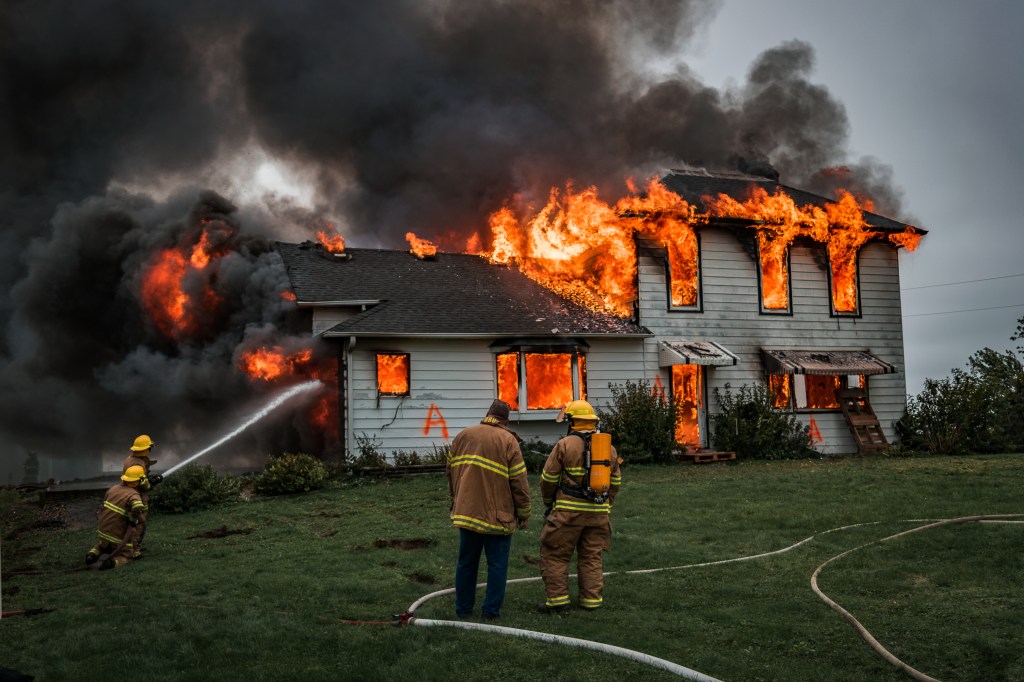
Vacant lots and vacant structures and abandoned property rarely raise immediate concern, but Fire Risk on Vacant Lots often builds unnoticed until conditions reach a critical point. Without consistent oversight, common hazards, such as dry brush accumulation, leftover debris, and unauthorized access, steadily increase the likelihood of ignition and highlight gaps in basic fire protection. What begins as an unmonitored parcel can quickly become a serious threat, reinforcing the need for strong vacant lot fire prevention, especially when response times are slower and early warning signs go unchecked.
For property owners, the key shift is recognizing that these assets are not passive holdings; they require active management through brush control, visible deterrence, and routine patrols. These efforts form the foundation of effective fire loss prevention for vacant properties, helping reduce both accidental and intentional fire risks before they escalate.
Why Vacant Buildings Are Treated as Higher Fire Risks
Vacant buildings are often treated as higher risk than occupied properties because there is no daily activity to spot small problems before they escalate. A minor electrical issue, overheating equipment, trespass, vandalism, or a small fire can go unnoticed until flames spread or first responders are called. This is one reason insurance policies often change coverage terms once a building has been unoccupied for 30 to 60 days.
For building owners, that means fire prevention cannot stop at mowing grass or clearing debris. Vacant structures should be managed with working alarms, maintained fire protection systems, secured openings, and documented inspections. In some cases, local government agencies or the local fire department may require vacant property registration once a building has been empty for a set period. Registered vacant buildings may then be inspected more frequently for fire and life safety issues, and failure to follow local rules can lead to citations, daily fines, or further enforcement actions.
Brush, Grass, and Overgrowth: The Fuel Load Problem
Tall grass, unchecked weeds, and dense brush are more than simple maintenance concerns, they represent a growing fuel load that can intensify fire behavior in an instant and quickly draw the attention of the fire department and local authorities. On vacant lots, this overgrowth acts as stored energy, waiting for a single spark to ignite and spread rapidly across the property.
Without proper vegetation management for fire safety, these conditions create continuous pathways for flames to travel, increasing both the speed and severity of a potential fire and making it harder to minimize risk once ignition occurs. Implementing effective brush control for vacant land and establishing defensible space on vacant land are critical steps in reducing that risk.
A proactive approach, cutting back growth, removing dead plant material, and maintaining cleaner zones around edges, can dramatically change how a fire behaves if one starts. These strategies not only improve appearance but are essential for wildfire risk reduction on vacant lots, helping limit how aggressively a fire can move while reducing the likelihood of emergency response situations.
Illegal Dumping, Combustible Debris, and Unoccupied Buildings: The Hidden Ignition Sources
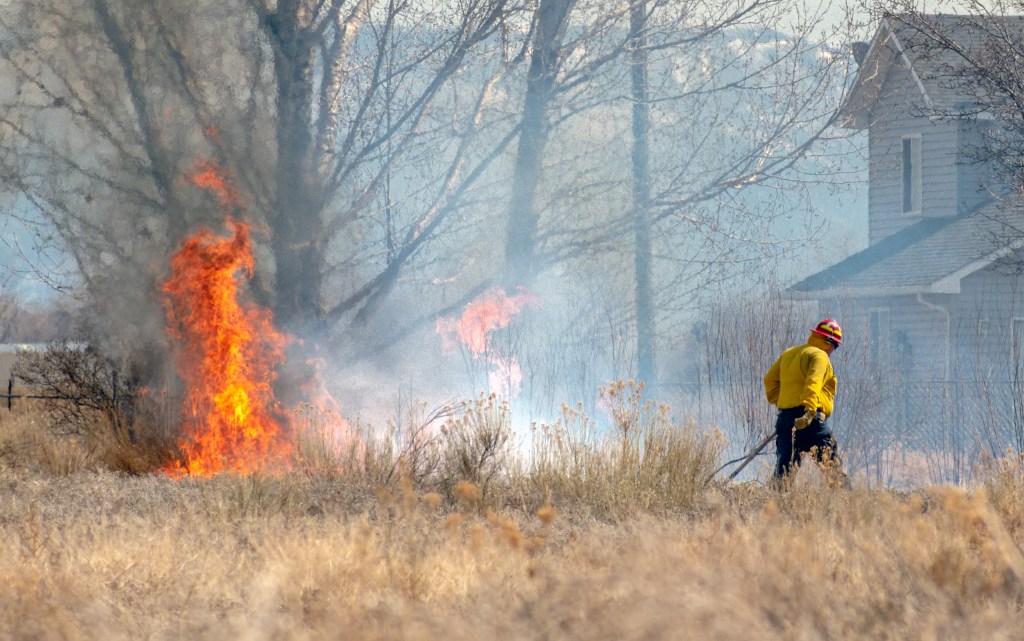
Vacant lots, and even an idle building or adjacent areas, often become informal dumping grounds, attracting discarded furniture, cardboard, pallets, tires, and yard waste that create serious hazardous conditions. These materials introduce significant fire risk by forming highly combustible clusters that can easily ignite and spread. This buildup increases illegal dumping fire risk, especially when debris accumulates near fences, neighboring structures, or utility areas, turning small ignition points into fast-moving fires.
Even properties that appear mostly clear can carry elevated danger without consistent regular inspections and timely combustible debris removal, making vacant lot fire prevention an ongoing responsibility rather than a one-time effort. For owners, recognizing illegal dumping as more than a nuisance is critical, it’s a hidden fire threat. Routine cleanup combined with inspections is one of the simplest and most effective ways to reduce ignition sources and limit the potential for a high-intensity fire event.
Fire Protection Systems, Fire Watch, and Offline Equipment
Fire protection systems are especially important in vacant buildings because problems are less likely to be discovered quickly. Unless otherwise approved by the authority having jurisdiction, owners should maintain alarms, sprinkler systems, fire doors, and other fire protection systems in working condition. If a sprinkler system, alarm, or other critical system is offline, impaired, or temporarily out of service, the local fire department, fire district, insurer, or authority having jurisdiction may require a fire watch until the system is restored.
This matters for insurance as well as safety. Insurance policies for vacant commercial properties often include stricter requirements than standard occupied-building policies, and some insurers may require active fire watch when alarms or sprinklers are offline. A fire watch helps ensure that trained personnel are regularly checking the property, keeping exits and access points clear, watching for ignition sources, and contacting first responders quickly if a fire occurs.
Arson Deterrence Starts with Making the Site Less Inviting
Fires on vacant land are not always accidental, and empty, unmonitored sites can attract individuals seeking privacy, shelter, or an easy place to cause trouble, often creating dangerous conditions that put nearby structures, surrounding trees, and even responding firefighters at greater risk. This is why arson deterrence for empty properties is a critical part of risk management. Reducing opportunity starts with strong trespass prevention on vacant land, supported by better visibility and fewer concealed areas.
Overgrown vegetation, blocked sightlines, and unrestricted access allow risky behavior to go unnoticed, while improved perimeter security helps limit entry and control activity. Strategic use of lighting and signage for arson prevention, combined with visible maintenance, reinforces that the property is actively monitored. In contrast, a well-maintained lot with clear sightlines and controlled access is far less inviting, significantly lowering the likelihood of intentional fire-setting and reducing exposure to hazardous situations.

Fencing, Gates, and Access Control on Open Parcels and Vacant Buildings
A vacant lot without defined boundaries can quickly become more than unused space, it can turn into an informal pathway, gathering spot, or dumping area that impacts surrounding communities and increases fire exposure. Open access makes it easier for people, vehicles, and materials to move in and out unnoticed, raising the risk of both accidental fires and intentionally set ignitions, often tied to break ins or other criminal activity.
These conditions make effective vacant lot fire prevention much more difficult and highlight the need for strong trespass prevention on vacant land. Establishing clear boundaries through fencing, secured gates, and controlled entry points strengthens perimeter control, helping shift the property from unregulated to managed while still allowing for proper emergency access.
These measures don’t have to feel unwelcoming; instead, they promote accountability and reduce opportunities for misuse. When access is intentional and monitored, the likelihood of unsafe or illegal activity drops significantly, making perimeter security a critical step in reducing both fire risk and broader liability.
Lighting, Visibility, and Patrol Presence as Fire and Life Safety Tools
Fire risk decreases significantly when a vacant lot is clearly visible and actively monitored, making lighting and patrol presence powerful prevention tools. Dark, unobserved spaces tend to invite unauthorized activity, while well-placed lighting and signage for arson prevention around entrances, corners, and common access points increases visibility and discourages risky behavior, supporting stronger arson deterrence for empty properties.
Adding routine patrols for vacant lots or documented drive-bys introduces an element of unpredictability, reinforcing the perception that the property is not neglected and aligning with a consistent vacant lot inspection checklist. Together, these measures shift a vacant lot from an easy target to a controlled environment. For owners, this approach reframes patrols and lighting not just as security expenses, but as practical, proactive components of a broader fire deterrence strategy.

Wildfire Exposure and Stricter Standards: When the Threat Comes from Outside the Lot
Fire risk on a vacant lot doesn’t always originate within its boundaries, sometimes the greatest threat comes from surrounding land where dry leaves, brush, and unmanaged vegetation can quickly carry flames onto the property. Nearby fields or wooded areas can transfer wildfire with little warning, especially under conditions of wind, heat, and dense fuel buildup, creating serious safety concerns. This makes wildfire risk reduction for vacant lots a critical priority, particularly for properties near high-fuel environments.
Planning for external exposure means prioritizing vegetation management for fire safety, establishing defensible space on vacant land, and ensuring consistent firebreak maintenance on vacant property to slow or redirect approaching flames. Keeping access routes clear is also essential so emergency responders can provide timely service when needed. The level of preparation should reflect the property’s surroundings: a vacant parcel bordering fuel-heavy land requires a far more proactive and layered prevention strategy than one located in a dense urban setting, where outside fire spread is less likely.
Defensible Space, Dry Vegetation, and Local Fire Rules
Local ordinances may require property owners to maintain defensible space and clear hazardous vegetation year-round, especially in wildfire-prone areas. In some jurisdictions, including parts of California such as San Diego County, owners may be required to remove combustible vegetation within 100 feet of structures or to meet the state’s minimum requirements for defensible space. These rules are intended to keep communities safe by reducing the fuel available to a fire before it reaches a building.
For vacant lots and buildings, this means removing dry vegetation, dying vegetation, brush, weeds, waste, refuse, and other combustible material from around structures, fences, and property line areas. Owners should also keep vegetation from creating hidden access points or blocking visibility for patrols and first responders. Even when a property appears inactive, vegetation management is an active fire prevention responsibility that can affect safety, compliance, and insurability.
Firebreaks, Mowing Cycles, and Seasonal Maintenance Rhythm for Property Owners
Fire prevention on vacant land is most effective when it follows a consistent routine rather than a one-time cleanup, supported by ongoing seasonal vegetation management. Vegetation growth, weather patterns, and drying cycles all change throughout the year, meaning a lot that appears low-risk in spring can quickly become a high-fuel environment by midsummer without proper brush control for vacant land.
Establishing a maintenance rhythm, guided by a reliable vacant lot inspection checklist, includes timely mowing before peak dry periods, managing regrowth, and prioritizing consistent firebreak maintenance on vacant property through low-fuel strips along boundaries. These steps help interrupt the path a fire can take. By thinking seasonally and planning ahead, property owners can reduce the chance that a single spark turns into a fast-moving fire that spreads across the entire parcel.
Neighboring Exposures: Why Your Vacant Property Can Create Bigger Problems

A fire on a vacant lot rarely remains contained to the property itself, especially when homes, commercial buildings, fences, parked vehicles, or utility infrastructure sit nearby, making vacant property fire hazards a broader concern than many owners realize. What may start as a small ignition can quickly extend beyond lot lines through direct flame contact, drifting embers, or dense smoke, increasing both damage severity and the need for a thorough fire risk assessment for vacant property.
This can also elevate exposure related to vacant land liability insurance, as surrounding assets may be impacted. In this context, fire prevention is not just about protecting an unused parcel; it’s about safeguarding the surrounding environment and ensuring proper emergency access for vacant lots so responders can act quickly. For owners, recognizing these neighboring exposures shifts the perspective from isolated risk to shared impact, making proactive measures essential when vacant land sits alongside occupied or high-value structures.
Inspection Routines and Liability Exposure: Catching Fire Risks Early
Inspection routines are one of the most effective ways to catch fire risks before they escalate, especially on vacant land where issues can develop unnoticed. Following a consistent vacant lot inspection checklist supports a thorough fire risk assessment for vacant property, ensuring that brush growth, illegal dumping, vandalism, or suspicious activity does not have weeks to build into a larger threat.
A practical inspection rhythm, often paired with routine patrols for vacant lots, includes walking the boundaries, assessing vegetation levels, checking gates and access points, identifying combustible debris, and noting any signs of recent trespass. Just as important is documenting these visits by logging observations and taking photos to track changes over time.
For vacant property owners, this recordkeeping plays a key role in fire loss prevention for vacant properties, while also demonstrating to insurers that fire risk is being actively managed, not ignored.
What To Document for Insurance, Claims Readiness, and Especially Those Liability-Critical Details
Documentation is a critical but often overlooked part of fire loss prevention for vacant properties, especially when it comes to insurance and claims readiness. In the event of a fire, insurers will closely examine whether reasonable steps were taken to reduce risk beforehand, making thorough records essential for both vacant land liability insurance and a defensible fire risk assessment for vacant property.
Maintaining clear documentation, such as photos of cleared vegetation, logs tied to a vacant lot inspection checklist, mowing schedules, debris removal receipts, patrol records, and detailed inspection notes, helps establish a consistent pattern of responsible ownership. More than just paperwork, this evidence tells the story that the property was actively monitored and maintained. When a claim is on the table, that proof of upkeep can carry nearly as much weight as the upkeep itself, helping protect coverage eligibility and reduce potential financial exposure.

Why Fire Risk Documentation Matters to Insurers and Local Authorities
Documentation helps prove that fire prevention measures were not just planned, but actually performed. For vacant properties, that record may include inspection logs, fire watch records, alarm and sprinkler system maintenance reports, photos of cleared brush, receipts for debris removal, and notes from communications with the local fire department or local government agencies.
This type of documentation can become especially important if a fire occurs. Vacant buildings accounted for a disproportionate share of firefighter injuries in past fire data, and intentionally set fires are also more common in vacant structures than occupied ones. Because of those risks, insurers, underwriters, and public safety officials often look closely at whether the owner maintained security measures, reduced fuel load, protected fire doors and openings, kept systems active, and provided safe access for first responders.
Turning Fire Prevention into a Repeatable Lot Management Plan
Turning fire prevention into a repeatable lot management plan is what separates reactive cleanup from true risk control, especially when addressing Fire Risk on Vacant Lots. Rather than relying on a single day of maintenance, property owners benefit most from building a consistent system that integrates vegetation management for fire safety, debris removal, access control, routine patrols, and simple documentation into an ongoing rhythm.
This approach strengthens vacant lot fire prevention while also supporting arson deterrence for empty properties by making the site less vulnerable and more actively managed. Each step reinforces the others, creating a layered strategy that steadily reduces fire risk while minimizing insurance friction and liability concerns. Over time, it’s this consistency, not one-time effort, that keeps an empty lot from becoming the property everyone notices only after smoke is already in the air.
Sources:
https://www.clearway.co.uk/news/how-safe-are-your-vacant-properties-from-arson-attacks/
https://cmbinsurance.ca/blog/protecting-unoccupied-and-vacant-buildings/
https://wyattdowling.ca/Take-Preventive-Steps-Against-Arson
https://extension.oregonstate.edu/catalog/em-9184-keeping-your-home-property-safe-wildfire
https://insurica.com/blog/fire-prevention-measures/
https://allegiantfire.net/news/how-to-protect-a-vacant-building-from-fire/
https://www.nfpa.org/news-blogs-and-articles/blogs/2022/03/04/vacant-buildings