
The Critical Role of Moisture Mapping Vacant Buildings in Prevention
Why Moisture Mapping Vacant Buildings Changes the Way, You Inspect Them
Vacant buildings may appear quiet, but hidden moisture issues rarely remain isolated for long. A small roof leak, failed flashing, condensation buildup, or foundation water intrusion can silently elevate moisture levels throughout a structure when the property is unoccupied and routine monitoring is absent.
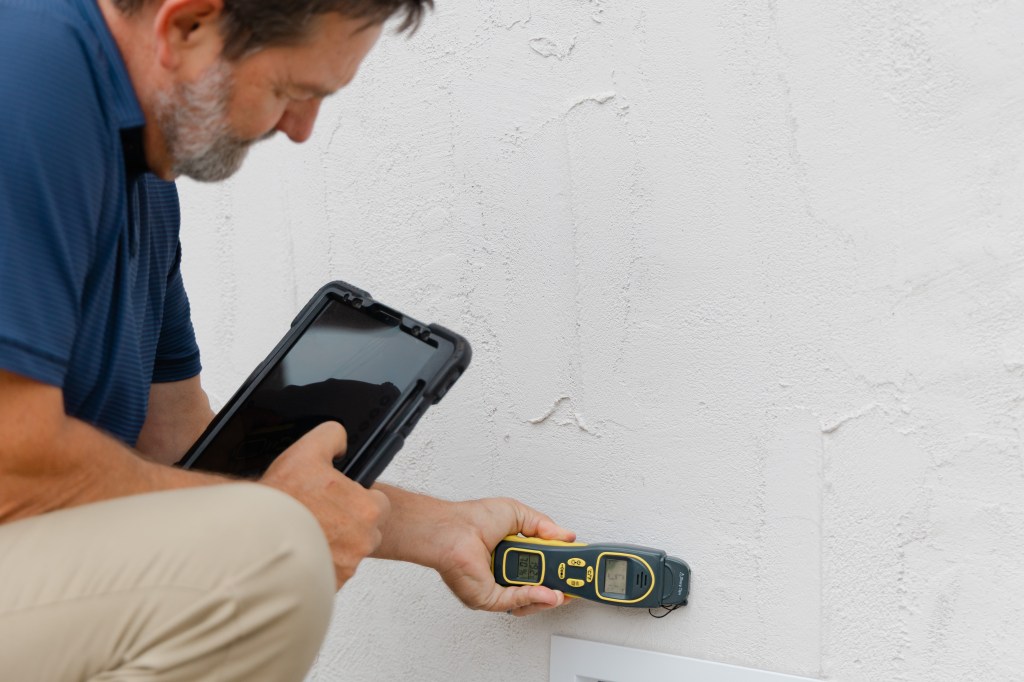
Moisture mapping is a systematic building moisture inspection that measures moisture levels in building materials, records each reading on a floor plan, and shows where moisture is concentrated and how it is moving. Moisture mapping vacant buildings from roof to basement helps inspectors locate hidden moisture, track moisture patterns, and support water intrusion source detection before visible damage becomes extensive.
For vacant properties, this approach shifts the focus from documenting existing damage to uncovering early warning signs and abnormal moisture levels that could lead to costly structural issues, mold growth, and long-term deterioration.
Key Takeaways: Moisture Mapping for Vacant Buildings
- A roof-to-basement route helps inspectors trace water from where it enters a building to where it collects.
- Vacant buildings are especially vulnerable because no one is on-site to notice leaks, musty odors, or stains between visits.
- Thermal imaging cameras flag temperature differences that suggest hidden moisture, and moisture meters confirm it with measurable readings.
- Moisture mapping prevents mold by catching wet materials early. Mold can begin growing within 24 to 48 hours, so mapping and drying promptly after a water event gives owners the best chance to stop it.
- A detailed moisture map creates a baseline for future inspections, guides targeted drying, and strengthens documentation for insurance claims.
Start on the Roof: Find Elevated Moisture Levels Before the Ceiling Tells You
A thorough moisture inspection should start at the roof, where water intrusion in vacant properties can begin long before it becomes visible inside the building. Roof moisture mapping helps inspectors identify areas where excess moisture may be trapped beneath shingles or roofing membranes, drawing attention to wet insulation, compromised decking, penetrations, flashing, drains, and other vulnerable areas that warrant closer investigation. Because prolonged exposure to excess moisture can affect a wide range of building materials, early detection is critical to preventing deterioration and limiting the spread of damage.
In a vacant building, where leaks can go unnoticed for extended periods, early moisture detection can help uncover problems at the roof level and address the source before stained ceilings, damaged interiors, or material degradation become apparent. Identifying elevated moisture levels early also supports a more effective drying process, allowing remediation professionals to target affected areas, verify drying progress, and help restore building materials before moisture-related issues become more extensive and costly. Regular vacant property roof care, such as clearing gutters and checking flashing, reduces how often these problems start.
Gutters, Flashing, and Drainage Tell You Where to Look Next
Finding moisture is only part of the investigation. The next step is water intrusion source detection: figuring out where the water is coming from and how it is entering the building. Blocked gutters, poorly directed downspouts, deteriorated flashing, and inadequate exterior drainage can channel water toward the roof, walls, windows, and foundation, creating conditions that allow hidden moisture to accumulate in areas that may not show visible signs of damage. During a post-storm moisture inspection, comparing exterior conditions with interior moisture readings helps inspectors detect hidden moisture and trace water movement throughout the structure.
Environmental factors such as elevated relative humidity can further contribute to moisture problems, allowing damp conditions to persist and increasing the risk of mold growth in concealed spaces. By comparing these exterior conditions with the building’s moisture map, inspectors can follow the pattern of water intrusion backward and focus on the most likely entry points. For a vacant property, connecting wet areas to their potential sources can help uncover water intrusion before prolonged exposure leads to costly structural damage, supporting proactive maintenance, targeted repairs, and long-term building preservation.
Move Into the Attic Before Hidden Water Moves Down
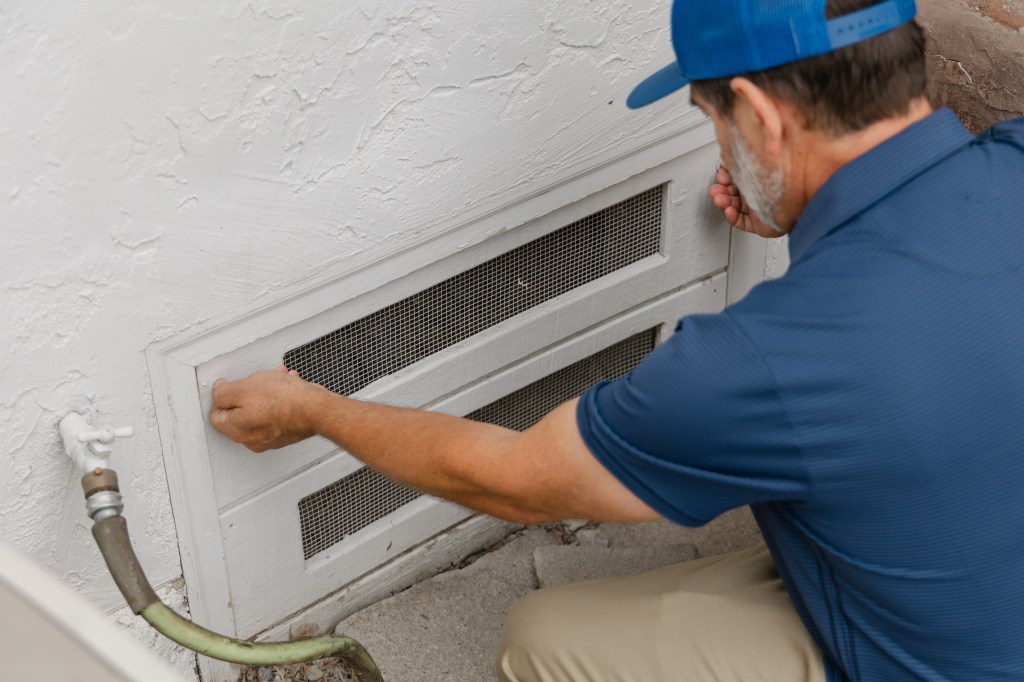
The attic moisture inspection is an important next step in a roof-to-basement moisture inspection for a vacant property because it can reveal water issues before they spread into finished living spaces. Damp or compressed insulation, darkened roof decking, condensation, and staining around vents, chimneys, or other roof penetrations can provide early clues of leaks or ventilation-related moisture problems. Using a basic moisture meter alongside moisture mapping techniques helps inspectors identify elevated moisture levels in attic components and pinpoint areas that require further investigation.
In a vacant property, these warning signs are especially valuable because there may be no occupants present to notice dripping water, musty odors, or changes to ceilings and walls. As moisture persists, conditions can become favorable for mold spores to settle and grow, increasing the risk of contamination and hidden damage. Moisture can also migrate behind walls, under floors, and into other concealed areas, making early detection essential for effective mold prevention in empty properties.
Mapping moisture throughout the attic helps inspectors connect conditions found at the roof with what is happening deeper inside the structure, creating an important early checkpoint for identifying, tracing, and documenting hidden water intrusion. By locating moisture before it spreads behind walls, under floors, or into other concealed building assemblies, inspectors can better assess the extent of the problem and support timely remediation efforts.
Thermal Imaging Shows Where the Naked Eye Should Look Closer
Thermal imaging is one of the most useful tools in modern moisture mapping technology because it lets inspectors scan large areas of walls, ceilings, and floors quickly without opening anything up. Infrared cameras do not see water directly. Instead, they detect temperature differences on surfaces. Wet materials often read cooler than the dry areas around them because evaporating moisture pulls heat away. A cool patch on a ceiling or a streak running down a wall can point to a hidden leak, wet insulation, or a failed seal.
Thermal images can also be misleading. Missing insulation, air leaks, ductwork, and direct sunlight can create temperature patterns that look like moisture but are not. That is why thermal imaging works best as a screening tool. It shows where the naked eye should look closer, and moisture meter readings then confirm whether the material is actually wet.
In vacant buildings, thermal scans tend to be most reliable when there is a meaningful temperature difference between indoors and outdoors, such as on a cool morning or after heating or cooling has been running. Scanning under similar conditions at each visit makes it easier to compare images over time and spot new or growing problem areas.
Moisture Meters Turn Suspicion into Measurable Evidence in Building Materials
Visual clues and thermal imaging can reveal where moisture may be hiding, but a moisture meter building inspection determines whether building materials are actually wet and provides measurable readings that can be documented. Inspectors typically rely on two types of meters.
Pin-type meters measure electrical resistance between two pins inserted into the material. Water conducts electricity, so lower resistance means higher moisture content. That makes pin meters useful for precise readings at a specific spot in wood, drywall, or trim.
Pinless meters are non-invasive moisture meters that scan surfaces without damaging them, which makes them ideal for quickly checking finished walls, floors, and ceilings. Depending on the model, larger handheld impedance meters can detect moisture up to about 1.25 inches below the surface. That depth helps when checking subfloors, concrete, and thicker assemblies.
Inspectors take readings from drywall, wood, flooring, insulation, and other materials, then record each one on a floor plan. The result is a detailed moisture map that shows the location and extent of affected areas and supports moisture damage documentation. Monitoring humidity levels alongside meter readings adds context about how moisture is moving through the building and whether conditions may support ongoing moisture-related issues.
This creates a clearer approach to moisture mapping vacant buildings that can help distinguish isolated concerns from broader patterns of water intrusion. For vacant properties, documented moisture readings provide valuable evidence for determining where further investigation, drying, or repairs may be needed, turning a suspicious-looking wall or floor into actionable information. By identifying moisture problems early and understanding their distribution throughout the structure, property owners and inspectors can make informed decisions that help prevent further damage and avoid costly repairs down the road.
Read the Middle Floors for Subtle Clues
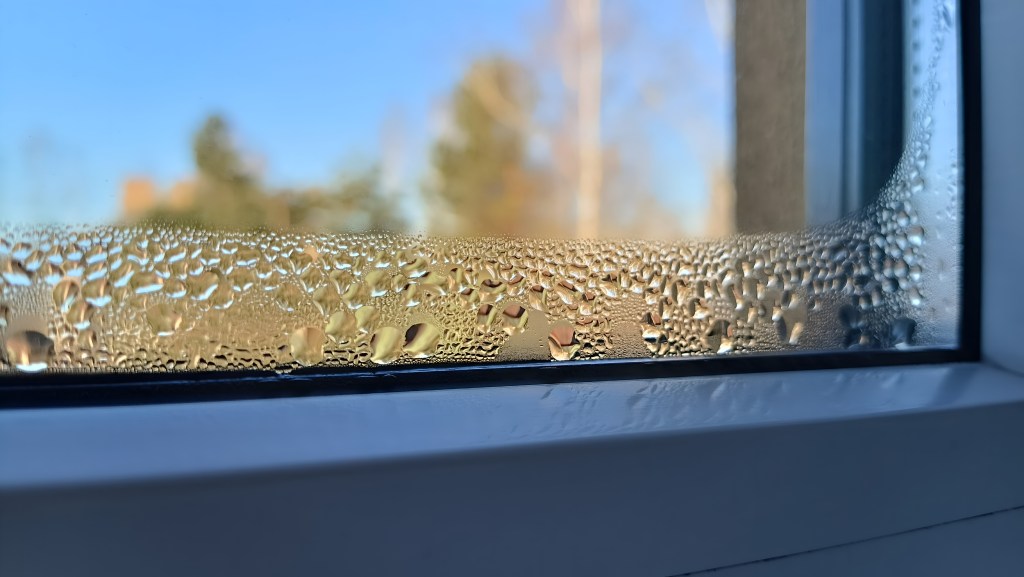
As the moisture inspection moves through the middle floors, inspectors should watch for subtle signs of hidden water intrusion, including bubbling paint, warped flooring, cracked caulking, condensation around windows, musty odors, rusted fasteners, and unexplained staining. Using thermal cameras alongside moisture meters can help pinpoint abnormally wet locations that may not be visible during a standard inspection.
Checking walls, ceilings, floors, windows, and plumbing areas supports wall cavity moisture detection and helps connect these warning signs to the building’s overall moisture map. In vacant properties, where no one is present to notice changes as they occur, early moisture detection is especially important. Left unchecked, hidden moisture can promote mold and microbial growth, rot wood framing, and rust steel components such as fasteners, connectors, and metal studs, weakening the structure long before damage shows on the surface. By combining visual observations with moisture data, inspectors can identify problem areas earlier and take action before conditions worsen.
Plumbing and Utility Areas Deserve Their Own Moisture Mapping Process
Plumbing and utility areas deserve focused attention during a roof-to-basement moisture inspection of vacant properties because even a small leak can create significant moisture issues when left unnoticed. Bathrooms, kitchens, mechanical rooms, water heaters, utility sinks, and areas around appliances contain numerous supply lines, drains, valves, and fittings where hidden leaks can develop without causing an obvious flood. Instead of treating these spaces like ordinary rooms, inspectors can map moisture readings around plumbing connections, basement walls, adjacent walls, floors, cabinets, and other vulnerable areas to identify patterns that may indicate water intrusion.
Monitoring environmental conditions such as the dew point can also help inspectors determine whether moisture is coming from a plumbing leak, condensation, or elevated humidity. Identifying wet materials early is especially important in vacant properties, where a leaking fixture or supply line may go undetected for weeks or months between inspections. By documenting moisture-prone areas and tracking moisture patterns, inspectors can uncover potential moisture issues sooner and provide clearer direction for further investigation, drying, and repairs. When repairs are needed in bathrooms, laundry rooms, or other damp areas, replacing damaged panels with mold-resistant drywall can significantly lower the risk of future mold growth.
The Basement Is Where Moisture Issues and Patterns Start Telling a Different Story
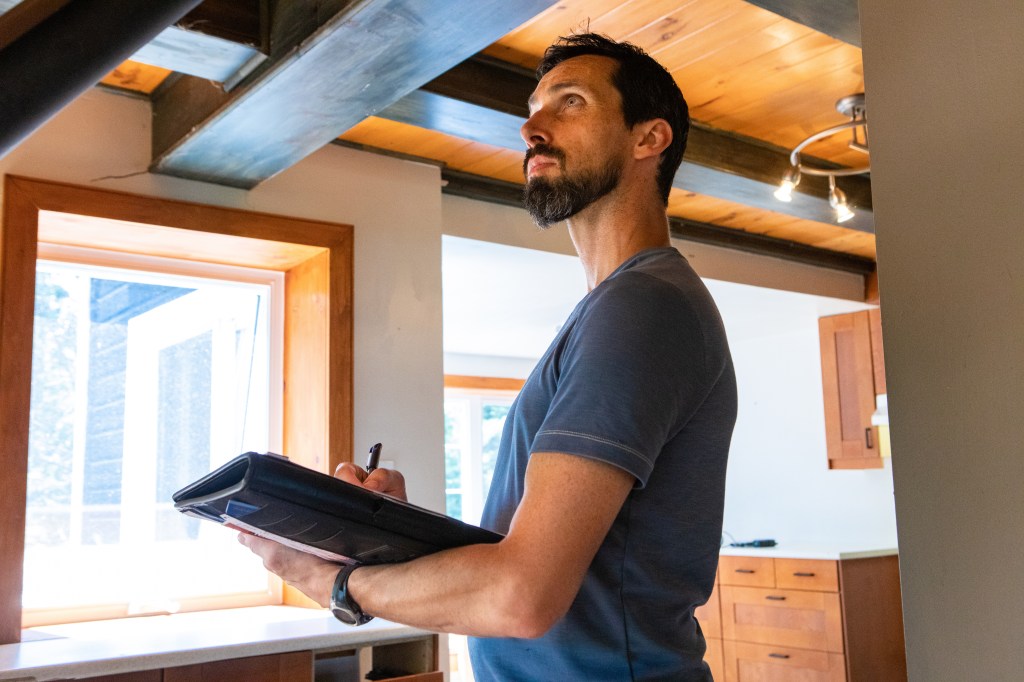
As a roof-to-basement moisture inspection reaches the lowest level of the building, basement moisture diagnosis can help inspectors identify different sources of water intrusion. Rather than roof leaks or plumbing failures, basement moisture is often linked to groundwater, poor exterior drainage, foundation cracks, condensation on cool surfaces, or other foundation-related moisture issues. Inspectors can look for signs such as efflorescence, staining, rust, peeling finishes, damp masonry, and localized wet areas on basement walls to better understand how moisture is moving through the space.
Using a systematic process, inspectors can map moisture patterns and compare conditions across different construction materials, helping distinguish isolated concerns from more widespread foundation or drainage problems. Identifying where moisture conditions cluster can reveal the likely source and extent of water intrusion. In a vacant property, documenting these basement conditions early provides an important final checkpoint for tracing moisture sources before continued exposure leads to deterioration, increases remediation costs, or requires extensive drying equipment to restore affected areas.
Once the source is addressed, running a dehumidifier in the basement and other moisture-prone areas helps keep humidity under control between visits. In a vacant property, a unit with a continuous drain hose is the better choice because it will not shut off when the bucket fills.
Humidity and Dew Point Data Help Separate a Leak From a Building-Wide Moisture Problem
Not every moisture problem can be traced to a leaking pipe, damaged roof, or foundation crack. Sometimes elevated indoor humidity creates conditions that allow condensation and moisture to develop throughout a building, even when walls and floors appear dry. During a vacant-property moisture inspection, inspectors use thermo-hygrometers to measure relative humidity and air temperature, then compare those relative humidity readings with moisture meter readings from wood, drywall, and concrete. Together, these numbers reveal the dew point, the temperature at which moisture in the air condenses into water. When a surface such as a cold-water pipe, basement wall, or window drops below the dew point, condensation forms, and it can look like a leak even when nothing is leaking.
Monitoring humidity levels in different rooms, including basement areas, and during repeat inspections can help distinguish a localized water intrusion problem from a broader indoor air quality concern. Evaluating factors such as ventilation and air movement provides additional insight into how moisture is accumulating and migrating throughout the structure. For vacant properties, where changing conditions may otherwise go unnoticed between visits, documenting humidity patterns can support mold prevention efforts and provide valuable data for the restoration process. Between inspections, smart thermostats or wireless humidity sensors can track humidity levels remotely and alert owners when readings climb, so a developing problem does not sit unnoticed until the next visit.
With this information, inspectors can identify potential moisture concerns, prioritize areas for further investigation, and protect structural materials from long-term moisture-related damage before more extensive remediation becomes necessary.
Comprehensive Moisture Mapping Should Change Over Time, Not Sit in a Folder
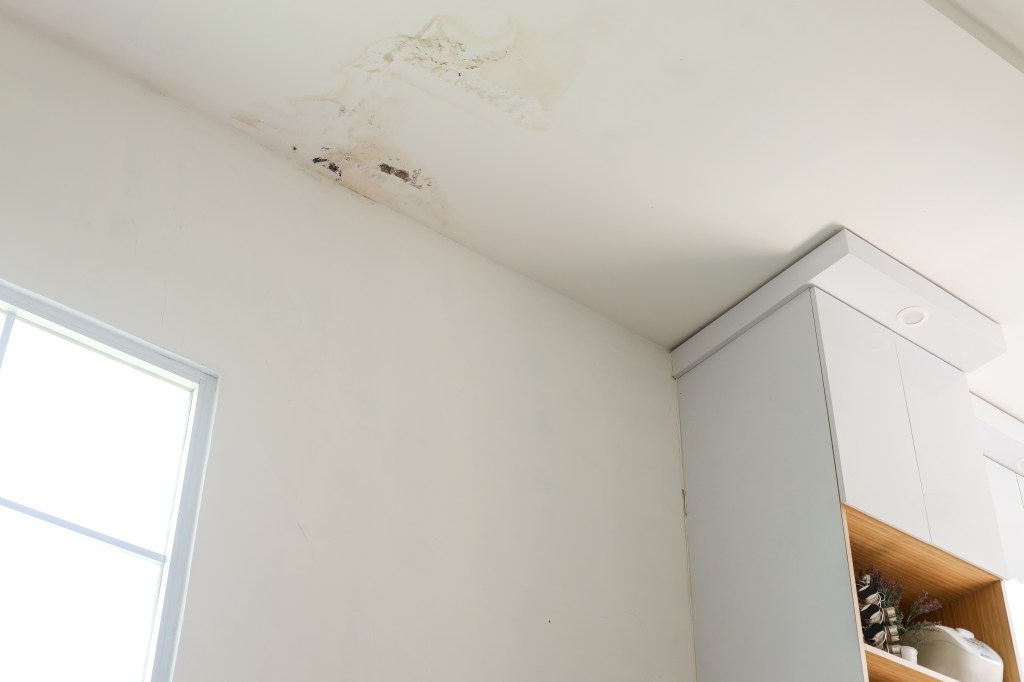
A moisture map becomes even more valuable when it is treated as an ongoing record rather than a one-time moisture meter inspection result. Initial readings establish a baseline, while follow-up measurements taken during the remediation process, drying efforts, or routine inspections make it easier to track changes in moisture conditions over time. By comparing new readings with previous measurements from the same walls, floors, ceilings, and other building materials, technicians can identify areas that are drying as expected and pinpoint locations where moisture-related problems may still be present.
This comparison can also help uncover hidden moisture trapped behind walls, beneath flooring, or within other concealed building assemblies that may require additional attention. For vacant property owners, ongoing moisture monitoring is especially valuable because conditions can change between scheduled visits without anyone present to notice them. Maintaining consistent moisture damage documentation creates a clearer history of the property, supports informed decision-making during the remediation process, and makes unusual moisture patterns easier to recognize before they develop into more extensive and costly problems.
Map Again After Storms, Snowmelt, and Known Water Events
After severe weather, rapid snowmelt, roof damage, flooding, or a plumbing failure, a post-storm moisture inspection can help reveal what a visual inspection alone may miss. Timing matters: mold can start growing on damp surfaces within 24 to 48 hours of water intrusion, so mapping should happen as soon as the building is safe to enter. Even after standing water has been removed and surfaces appear dry, hidden water damage in empty buildings can remain within insulation, wall cavities, subfloors, roofing materials, and other concealed areas. Moisture meters that use electrical resistance technology can help inspectors assess moisture conditions within these spaces and evaluate whether key structural elements have been affected by water intrusion.
Rechecking these locations with moisture readings allows inspectors to compare affected areas, identify where additional drying or investigation may be necessary, and document changing conditions over time. For vacant properties, where water intrusion can go unnoticed between visits, repeating the moisture-mapping process after a storm or known water event provides an important checkpoint for confirming that the building is actually drying rather than simply looking dry. This approach can help identify areas of incomplete drying, support more effective remediation efforts, and reduce the risk of long-term damage to structural elements before moisture-related conditions become more severe.
Good Moisture Inspection and Documentation Can Strengthen the Claim Story
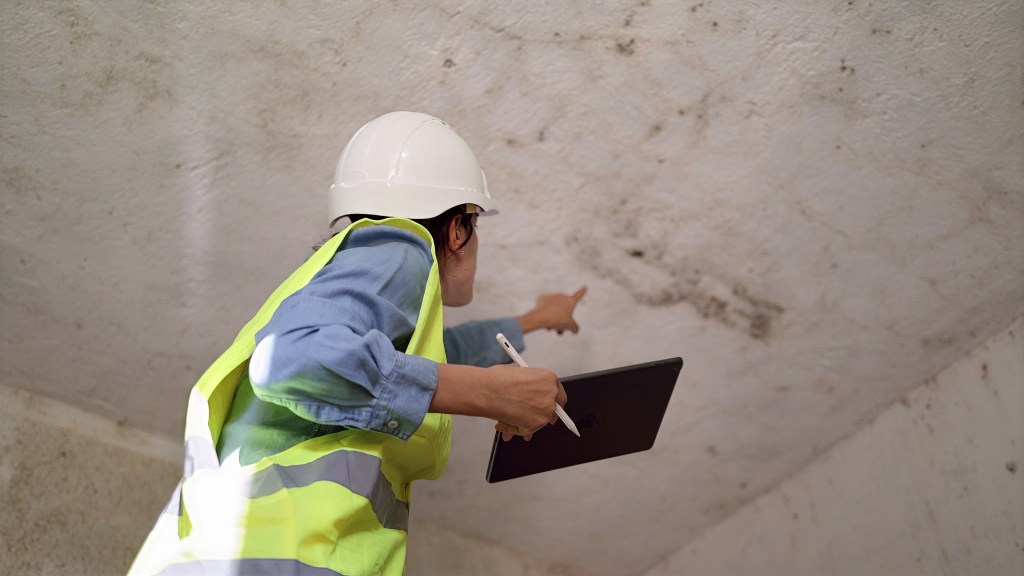
After a water loss, clear moisture damage documentation can help tell a more complete story about what areas of a property were affected and how conditions changed throughout the restoration process. Detailed readings plotted through moisture mapping for insurance claims can document impacted walls, floors, ceilings, and other materials, while follow-up measurements can show whether those areas are drying over time. Tools such as thermal cameras can help identify hidden moisture that may not be visible on the surface, providing additional insight into the extent of water intrusion.
This organized record can also support conversations with insurance professionals by providing more detailed evidence than photographs alone. As drying progresses, restoration teams may use air movers and other drying equipment to reduce moisture levels and help prevent secondary damage. This is especially important because mold thrives in damp environments and can begin developing in affected materials if moisture is not addressed promptly.
For vacant property owners, where water intrusion may not be discovered immediately, systematically recording moisture conditions creates a stronger timeline of the loss and provides valuable documentation for evaluating damage, guiding the restoration process, and supporting an insurance claim. For agents and brokers, encouraging this kind of documentation on vacant commercial buildings can help commercial clients recover more smoothly after a loss, with less back-and-forth over what was damaged and when.
Make “Roof to Basement” the Standard Route for Every Building Moisture Inspection
For vacant properties, professional moisture mapping is most effective when inspections follow the same systematic route every time: starting at the roof, gutters, and drainage systems, moving through the attic, inspecting walls and plumbing areas, and finishing at the foundation and basement. Documenting findings on a detailed floor plan helps inspectors track moisture patterns, identify recurring problem areas, and compare conditions from one inspection to the next. For a typical 2,000-square-foot home, inspectors can usually perform moisture mapping in about 2 to 4 hours, though larger buildings, commercial properties, and structures with known water damage may take longer.
When something appears suspicious, thermal imaging, moisture-meter readings, humidity measurements, and dated photographs can provide additional context and create a record that supports future evaluations. Over time, this consistent approach builds a moisture history for the property, making it easier to recognize new or changing conditions and supporting early moisture detection in vacant buildings.
For property owners, identifying these changes early can mean addressing a manageable repair before hidden moisture spreads and affects the building’s structural integrity. By documenting moisture conditions and monitoring trends over time, professional moisture mapping helps uncover potential problems sooner, supports informed maintenance decisions, and reduces the risk of costly restoration projects caused by long-term water intrusion. Pairing a consistent moisture mapping routine with coverage built for empty properties, such as vacant dwelling insurance, helps protect the investment while the building sits unoccupied.
Sources:
https://www.ciarahome.ca/blogs/sherwood-park-home-sewer-inspection-services-blog/1478471-how-to-spot-early-signs-of-moisture-problems-in-your-home
https://tramexmeters.com/learn/moisture-testing/commerial-building-and-home-inspections
https://www.servpro.com/resources/water-damage/moisture-mapping
https://www.purofirstdisaster.com/article/leak-detection-guide-how-roof-moisture-mapping-finds-hidden-water
https://highmarkconstruction.com/whats-new/roof-moisture-mapping/
https://basementmoisturelab.com/blog/basement-moisture-diagnosis-testing-complete-guide/
https://adaptivenv.com/blog/moisture-mapping-elevated-moisture-in-your-home