
Essential HOA Coordination for Vacant Units: Best Practices Explained
Why HOA Coordination Matters When a Vacant Property Sits Empty
When a condo or strata unit becomes vacant, many owners assume their insurance protection remains unchanged as long as premiums are paid. In reality, an empty unit can trigger a range of building rules and insurance considerations that affect both coverage and risk exposure. Because a vacant property is still connected to shared hallways, plumbing systems, electrical infrastructure, and neighboring residences, issues such as leaks, fire damage, or maintenance failures can quickly impact the broader community. This is why HOA coordination for vacant units is essential from the outset.
Many associations require owners to report extended absences, maintain regular inspections, and provide emergency access arrangements. Board members and management companies may also use this information to coordinate inspections, document compliance, and respond quickly when problems arise. At the same time, vacant condo unit insurance requirements may differ from standard owner-occupied policies, making it important to review available coverage options before a property sits empty.
Some associations maintain a vacant unit registry containing the owner’s contact information, the unit’s status, the designated local representative, and approved emergency-access instructions. Owners should confirm how this information is stored, who can access it, and when it must be updated.
Speaking with an experienced insurance agent can help owners understand whether additional protection, endorsements, or specialized vacant home insurance cover may be needed to maintain adequate coverage. Understanding strata rules for empty units, working closely with your agent, and complying with board requirements can help prevent coverage disputes, reduce liability risks, and protect both your investment and the surrounding community.

When Is a Vacant Home Considered Unoccupied Property?
Many condo owners use the terms “vacant” and “unoccupied” interchangeably, but insurers may define them differently. A vacant home generally has no residents and contains little furniture or personal property. Unoccupied homes generally remain furnished and contain personal belongings as though their owners might return, even when no one is currently living there. A vacation home may also be considered unoccupied rather than vacant when it remains furnished, maintained, and ready for seasonal or occasional use. The insurer’s policy definitions and the length of the absence ultimately determine how the property is classified.
This distinction can have a significant impact on insurance coverage. While some insurers may continue to provide unoccupied condo coverage if specific conditions are met, a vacant property is often viewed as a higher risk because issues such as water leaks, vandalism, or maintenance problems may go undetected for longer periods, potentially leading to costly repairs. As a result, owners may need to comply with vacant condo unit requirements, including regular inspections, enhanced security measures, or specialized policy endorsements.
Policy definitions control whether a unit is considered unoccupied or vacant. Owners should not rely exclusively on an association’s terminology because the HOA, master policy, and individual insurer may apply different definitions and requirements. Understanding condo vacancy insurance rules and how your insurer classifies the property is essential to avoiding unexpected coverage gaps and ensuring your condo remains properly protected while it is not being lived in.
Coverage Options Can Change After a Vacant Home Sits Empty
One of the most common mistakes condo owners make is assuming their existing homeowners policy will remain unchanged regardless of how long a unit sits empty. When that happens, condo vacancy insurance rules may limit certain protections or require additional conditions before coverage remains fully effective. To avoid unexpected claim disputes, owners should review their policy terms, notify the insurer before crossing any vacancy threshold, and compare the available coverage options. Depending on the insurer and property, the available forms of vacant home coverage may include a vacancy endorsement added to an existing homeowners policy, restricted coverage, or a separate policy designed specifically for an empty residence.
In some communities, owners may also need to comply with building-specific requirements, including obtaining a vacancy permit for condo unit situations when required by the association or governing body. Taking these steps early can help ensure continuous protection and reduce the risk of costly coverage gaps.
HOA Coordination Helps Address Water Damage, Vandalism and Theft
Liability Protection Starts with Fast Response and HOA Coordination
One of the primary reasons HOAs and strata associations pay close attention to vacant units is that property damage rarely remains confined to a single condo. A small plumbing leak, burst pipe, or neighboring water intrusion can quickly spread through walls, ceilings, and shared building systems before anyone notices the problem. This vacant unit water damage risk is one of the biggest concerns for building management teams and insurance providers alike because it can lead to significant property damage, liability protection concerns, and disputes among unit owners.
When a unit is empty, there may be no resident available to detect leaks, fire, break ins, vandalism and theft, or other early warning signs. Delayed detection increases the likelihood that damage will spread or become more expensive before anyone intervenes. For this reason, many associations require owners to provide emergency contact information and arrange condo unit access for emergencies so building staff or approved vendors can respond quickly when urgent repairs are needed.
Management companies may conduct regular inspections of vacant properties when authorized by the governing documents, management agreement, and applicable law. These building-level inspections should supplement—not automatically replace—the visits required by the unit owner’s insurance policy.
These measures are a critical part of vacant unit loss prevention, helping to protect not only the owner’s investment but also neighboring units, common areas, and shared infrastructure from preventable damage that can escalate when a property sits unattended. Strong coordination and timely intervention also help reduce potential liability exposures throughout the building, supporting greater liability protection for owners, associations, and residents alike. This is especially important in communities with owner-occupied units and tenants, where a problem originating in one vacant condo can affect multiple residents throughout the building.

Master Policies and Home Insurance Must Be Coordinated
One of the most common misconceptions among condo owners is believing that the association’s master insurance policy covers everything inside their unit. In reality, the master policy is generally designed to protect the building structure and common elements based on the responsibilities outlined in the HOA or strata governing documents. Understanding the difference between a condo master policy vs unit-owner policy is essential because coverage for personal belongings, personal liability, additional living expenses during a covered loss, and upgrades made within the unit typically falls under the owner’s unit-owner policy, and these are separate insurance policies with different scopes and vacancy-related limitations. Depending on the circumstances of a claim, each policy may respond differently, making it important to understand where one policy ends and the other begins.
A co-op may allocate insurance and maintenance responsibilities differently because residents typically own shares in the corporation rather than the individual unit itself. Co-op owners should review the corporation’s master policy, occupancy agreement, bylaws, and their individual home insurance instead of assuming condominium rules apply in exactly the same way.
Board members and property managers should avoid interpreting an owner’s insurance policy or promising that a particular loss is covered. Their role is to explain the association’s requirements and direct owners to the governing documents, master-policy information, and qualified insurance professionals.
This division of coverage highlights the importance of knowing the extent of unit owner responsibility condo insurance obligations and ensuring there are no gaps between the two policies. While condo coverage differs from standard house insurance, owners of vacant properties should pay special attention to vacant condo unit insurance requirements, as vacancy may affect how both the master policy and the unit-owner policy respond to a loss. Careful coordination between these coverages helps ensure adequate protection for both the unit and the overall building when unexpected losses occur.
Governing Documents Decide More Than Owners Think
When a condo unit sits empty, many owners assume maintenance and insurance responsibilities are straightforward, but the reality is often far more complex. Questions involving windows, balconies, exterior doors, patios, and other limited common elements are often governed by the community’s declaration, bylaws, and association rules.
Reviewing condo governing documents vacant unit provisions is essential because these documents specifically identify who is responsible for maintenance, repairs, and insurance coverage when problems arise. For example, responsibility for a damaged window or balcony may fall to either the association or the unit owner depending on the governing language. The allocation of condo common elements responsibility can vary significantly from one community to another, making assumptions risky and potentially costly.
In addition, many associations have a specific HOA vacant unit policy that outlines owner obligations for inspections, emergency access, maintenance, and reporting requirements during extended vacancies. Because these obligations are often subject to unique community rules, owners should review all governing documents carefully rather than relying on general expectations. By understanding these requirements in advance, owners can better protect their property investment, avoid disputes, respond to repairs more effectively, and ensure they meet both maintenance and insurance responsibilities.
The governing documents may also establish registration requirements, inspection rules, emergency-contact obligations, assessments, or fines associated with vacant units. Any assessments and fines should be authorized by the governing documents and applicable law and applied consistently to similarly situated owners.
Clear policies help HOAs balance individual owner rights with the need to protect neighboring residents, shared systems, and the broader community. Vacancy rules should explain notification requirements, inspections, emergency access, privacy protections, enforcement procedures, and the respective responsibilities of owners, board members, and management.
Vacancy does not eliminate the owner’s responsibility for regular assessments or other authorized charges. When dues remain unpaid on a vacant unit, the association should follow its established collection procedures, notice requirements, lien rights, and applicable legal rules rather than creating an informal vacancy-specific process.
Security Measures Help Prevent Break Ins, Vandalism and Theft
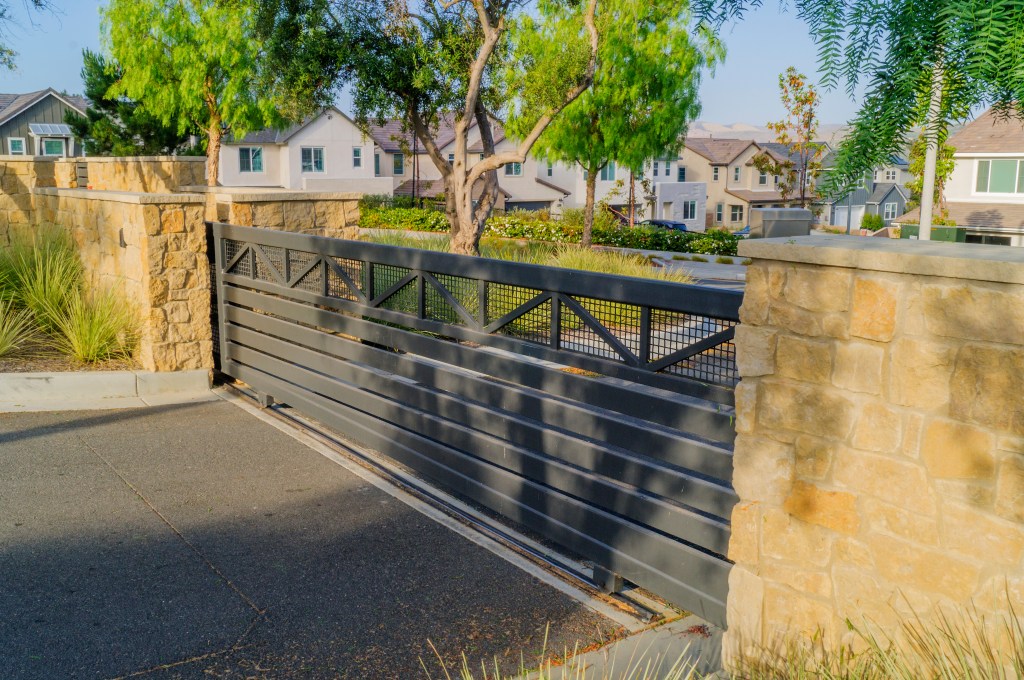
Protecting a vacant condo involves much more than simply locking the front door. Effective loss prevention measures can help reduce property risks and support ongoing insurance eligibility while a unit sits empty. Implementing vacant unit security measures such as monitored alarm and security systems, secure locks, cameras where permitted, and timed lighting can help deter unauthorized access, break ins, vandalism and theft, while maintaining a thermostat setting of around 55°F during colder months may help prevent frozen pipes. Owners should also consider installing water-detection devices that can provide early alerts when leaks occur, reducing the likelihood of significant property damage.
Water-loss planning should address more than visible plumbing fixtures. Depending on the insurer’s instructions and the unit’s heating requirements, owners may need to shut off the domestic water supply, drain selected lines, or disconnect appliances supplied by water. Refrigerator and ice maker supply lines, washing-machine hoses, dishwashers, toilets, sinks, and water heaters should all be considered because a small connection failure can cause extensive damage when no one is present.
These proactive steps play an important role in vacant condo claim prevention, especially in multi-unit communities where a problem in one residence can quickly affect neighboring units and common areas. These measures may also help owners satisfy the conditions attached to their homeowners insurance, vacant home insurance, or another form of home insurance. The policy and the insurer’s written instructions should determine the required temperature, shutoff procedures, monitoring, and inspection frequency.
In some situations, insurance disputes and case law decisions have highlighted the importance of demonstrating reasonable efforts to monitor and protect an unoccupied property. By combining security, climate control, and water monitoring strategies, owners can strengthen their vacant unit loss prevention efforts and better protect both their property and insurance coverage while the unit remains unoccupied.
Regular Vacant Property Inspections and Emergency Access Matter
In a condominium or strata community, a vacant unit does not exist in isolation, which is why regular inspections and trusted access arrangements are so important during extended absences. Meeting vacant condo inspection requirements can help owners identify leaks, unusual odors, HVAC malfunctions, security concerns, or signs of unauthorized entry before they escalate into costly problems.
The required inspection frequency varies by insurer, policy, season, weather conditions, and association rules. Some situations may call for inspections several times a week, while others use a different schedule. Owners should obtain the required interval in writing and keep dated records of every visit.
Whether check-ins are performed for vacant and unoccupied units by a friend, neighbor, concierge, superintendent, property manager, or another person designated by the owner, routine visits still matter even when a unit is furnished but empty for a time, providing an extra layer of protection for both the unit and the building as a whole. Just as importantly, arranging condo unit access for emergencies allows authorized building staff or vendors to respond quickly. Some associations keep keys, access codes, or lockbox information for units, but owners should confirm whether this is permitted, how access is secured, who may use it, and how each entry is documented.
Governing documents and local law may permit management to enter a unit without advance notice during a genuine emergency, such as an active leak or fire. That authority is jurisdiction-specific and should not be described as an unrestricted right to enter vacant units.
In many communities, notifying HOA of vacant unit status is also an important step, particularly when a property may be considered vacant under association or insurance guidelines. Keeping the HOA informed about all matters pertaining to emergency contacts, inspections, and access arrangements allows the association to coordinate a timely response if issues such as leaks, security breaches, or maintenance concerns arise while the property is unoccupied.
Renovation, Sale, Move-Out and New Construction Can Trigger Vacancy Rules

Many condo owners assume vacancy concerns only arise when a property has been empty for an extended period, but insurance issues often begin during short-term transitions such as renovations, home sales, or move-outs. Similar issues can arise with new construction units that have closed but are not yet occupied, furnished, or regularly monitored. A unit that is temporarily vacant while being prepared for listing photos, undergoing remodeling work, or sitting between occupants may still meet an insurer’s definition of vacancy. Because furniture and personal belongings are often removed during these periods, the property can quickly fall into a higher-risk category and trigger specific vacant condo unit requirements even if the owner intends to return or sell the unit soon.
In some cases, a condo can be treated similarly to a vacant home for insurance purposes, depending on how long it remains unoccupied and the conditions inside the property. Vacant home insurance may be essential for a property under renovation when the existing policy no longer provides adequate protection or the unit meets the insurer’s definition of vacancy. Renovation projects, sale preparations, and move-out timelines should therefore be treated as important insurance checkpoints. Proactively reviewing insurance coverage, notifying the insurer of any temporary vacancy, and confirming whether a vacancy endorsement or specialized vacant home insurance policy is required can help prevent unexpected gaps. In some communities, owners may also need to obtain a vacancy permit for condo unit situations or comply with association-specific vacancy policies to maintain compliance and protection throughout the transition period.
Vacant Home Insurance Costs and Coverage Options
Vacant home insurance commonly costs more than standard owner-occupied home insurance because an empty residence can present a greater risk of undetected leaks, fire, break ins, vandalism and theft. Some consumer estimates place the cost at approximately 1.5 to three times the price of standard insurance, but the actual premium depends on the insurer, location, vacancy duration, construction, security, inspection plan, coverage limits, deductible, and loss history.
Owners should compare more than price when reviewing coverage options. Important differences may include protection for water damage, vandalism and theft, fire, liability, building improvements, personal property, loss assessments, and damage affecting neighboring units or common areas. Some owners may also need specialized coverage for a vacant unit. In some cases, insurers offer specialized coverage designed for risks common in empty homes, such as fire or wind-related damage.
Expensive claims can begin with relatively small failures. A leaking ice maker line, toilet connection, or washing-machine hose can cause extensive water and mold damage before the next inspection. Mold remediation and repair costs can vary significantly depending on how long the issue goes unnoticed, where the damage occurs, the materials affected, and the extent of contamination. Regular inspections and early detection can help limit the damage before a minor leak develops into a much larger problem.
Vacant Home Insurance Cover Depends on Coordination and Compliance
Managing a vacant condo does not have to be complicated, but vacant home insurance coverage depends on early communication and compliance with the policy’s conditions. Owners should inform both the insurer and association, confirm whether the residence is vacant or considered unoccupied, and identify a trusted local contact who can provide emergency access.
In many communities, notifying HOA of vacant unit status is an important step that helps ensure building staff can respond quickly to unexpected issues and maintain accurate emergency contact information, especially during the off season when properties may be left unattended for longer periods. Owners should also keep a written checklist for inspections, heating, security, and water-monitoring measures to reduce risks and support compliance.
The coordination plan should record the property’s status, emergency contacts, inspection schedule, key or access arrangements, heating requirements, water-shutoff decisions, alarm information, and responsibility for ongoing assessments. Copies of inspection reports, photographs, repair invoices, and communications with the insurer or board should be retained.
Reviewing available coverage options with an insurance professional can further help ensure appropriate protection is in place. These simple actions can strengthen vacant condo unit insurance protection, demonstrate responsible property management, and help ensure the unit remains insurable, controlled, and better protected while it sits empty.
Sources:
https://abipdx.com/unoccupied-vs-vacant-condo-units-coverage-and-loss-prevention/
https://newenglandcondo.com/article/absent-owners
https://newenglandcondo.com/article/when-residents-are-away
https://www.fsresidential.com/corporate/news-and-articles/articles/condo-insurance-today/
https://elliottinsuranceservices.com/blog/2020/01/30/empty-or-vacant-house-and-home-insurance/
https://www.insurance.com/home-and-renters-insurance/coverage/empty-home-insurance.html
https://www.ksnlaw.com/blog/condo-hoa-common-elements-responsibility/