
Premises Liability on Empty Sites: Risks Owners Should Understand
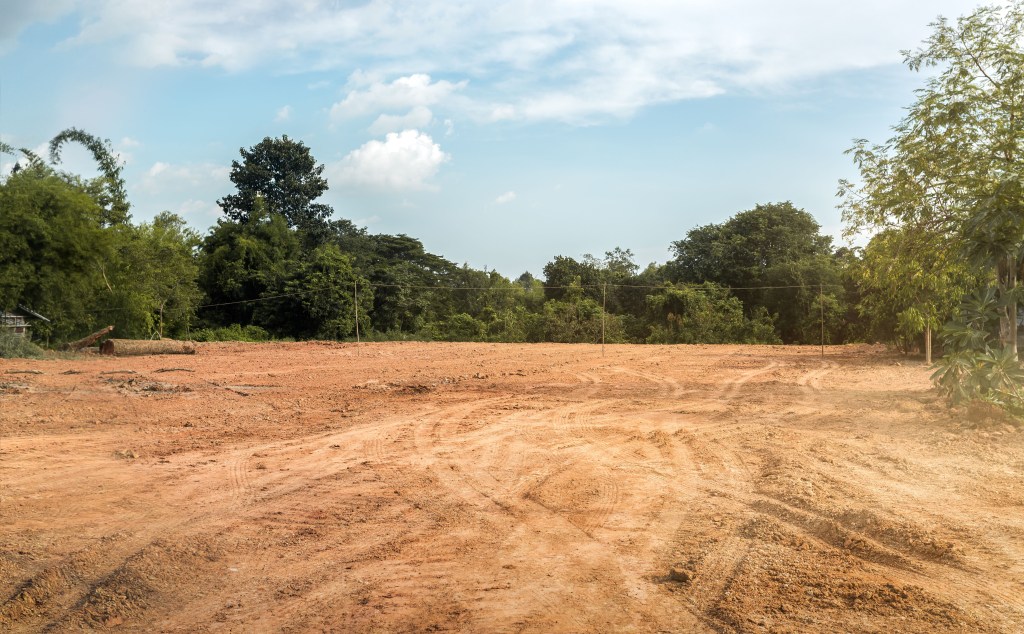
Understanding Premises Liability Insurance on Empty Sites
Vacant properties, whether its unused land held for future development or an empty building between tenants, are often assumed to carry little risk, but from a premises liability standpoint, that’s rarely true. Property owners still have a legal responsibility to maintain reasonably safe conditions and address hazards that could cause injury, regardless of occupancy. Even when a site is empty, issues like broken steps, loose railings, poor lighting, or icy walkways can persist and create real exposure. Without regular oversight, these conditions are more likely to go unnoticed and can lead to accidents, and even further damage, that might have been preventable with consistent upkeep and the right insurance coverage in place.
In fact, vacant properties often carry more risk than occupied ones precisely because no one is there to catch problems early. Owners are still expected to inspect the premises, make timely repairs, and clearly warn about known hazards for anyone who may enter the property, whether that’s a contractor, inspector, or even an unauthorized visitor. When those reasonable steps aren’t taken, and someone is injured, it can quickly turn into a negligence claim, putting both the property and the owner’s liability exposure at risk.
Showings And Site Visits: Keeping Prospective Tenants and Buyers Safe
Showings at a vacant property may be brief, but they still carry real exposure under vacant property premises liability, especially when a site has been sitting for an extended period without regular oversight. Picture a simple visit: an agent unlocks the door, a prospect steps inside, and a loose tread or wet floor leads to a fall, quickly raising concerns around slip-and-fall injuries. Properties that lack activity can also become more vulnerable to theft and break-ins, particularly if security is limited or access points are compromised.
To reduce that risk, owners should approach every visit with showings safety in mind by completing quick visitor safety inspections, turning on lights, clearing debris, securing handrails, and adding visible warnings like “watch your step.” It’s also important to confirm that doors, locks, and surveillance systems are functioning as intended to help deter unauthorized access between visits. Just as critical, documenting hazards in empty buildings helps demonstrate that reasonable steps were taken, allowing owners to show the property with confidence instead of worrying about preventable claims.

Contractors, Vendors, and Work Crews: Sorting Out Who’s Liable
Even when a property is sitting empty, whether it’s considered vacant during tenant turnover or part of new construction, there’s often a steady flow of contractors, vendors, and work crews on-site, and that’s where liability can get murky. In most cases, injuries to those you hire should fall under their own insurance, but that protection depends on clear roles, proper oversight, and defined coverage responsibilities. If a contractor leaves something hazardous behind—like a ladder in a walkway or exposed cords, and someone is injured, the question quickly becomes who controlled the situation and whether it should have been addressed. Conditions like exposed systems or unfinished work can also lead to issues like water damage, creating additional risk if not properly managed.
That’s why it’s worth taking a few extra steps upfront. Before any work begins, confirm that contractors meet insurance requirements, collect certificates of coverage, and request to be added as an additional insured on their policies. This helps ensure the first line of protection sits with the party performing the work. Combined with regular oversight, monitoring site conditions, addressing hazards, and keeping basic documentation, these steps help reduce exposure and keep risk contained while work moves forward.
Trespassers, Squatters, and Curious Neighbors: The Risks You Didn’t Invite In
Empty and even abandoned premises tend to attract attention, sometimes from people you didn’t invite, and that’s where liability risks in vacant buildings often come into play. While many owners assume they have no responsibility for trespassers, the reality under vacant property premises liability is more nuanced.
Claims can still arise if dangerous conditions are left unaddressed and someone is injured, especially in spaces with hazards like unsecured entry points, missing guardrails, open basements, or poorly maintained areas. These exposures highlight why proper insurance coverage, including optional coverages, is important to help protect against unexpected incidents tied to unused or under-monitored properties.
That’s why proactive risk management is just as important as coverage. Regular inspections, securing access points, boarding up unsafe areas, improving lighting, and posting clear signage all help reduce the chance of injury and demonstrate that reasonable steps were taken to manage the premises responsibly. Trespassers, squatters, and curious neighbors aren’t always avoidable, but a consistent, well-documented approach can go a long way in limiting exposure and preventing a small issue from escalating into a costly claim.

Vacant Property Insurance, Premises Liability, and the Role of Security Measures
Once you understand the risks that come with an empty property, whether it’s a vacant building or vacant land, the next step is connecting them back to the right insurance coverage, which is essential to protect both the asset and the owner. Many owners are surprised to learn that standard homeowners or commercial property policies aren’t built for long-term vacancy. Most include a vacancy clause that can limit or even void coverage after 30 to 60 days, creating real gaps and potential exposure to losses like structural damage or liability claims if something goes wrong. And even when a property is empty, the risk doesn’t go away, owners can still be held responsible if someone is injured on-site.
That’s where more tailored vacant property solutions come in. Vacant property insurance and premises liability endorsements are designed to fill these gaps, offering protection for bodily injury and property damage claims while the property sits unoccupied. In many cases, that includes incidents involving visitors, contractors, or even trespassers, along with legal defense if a claim escalates. To make these policies work as intended, it’s important to stay proactive by keeping your broker informed of the property’s status, any renovations, and ongoing conditions. Following these steps helps ensure the right coverage is in place, so owners can better manage risk and avoid being caught off guard.
Premises Liability on Empty Construction, Vacant Land or Renovation Sites
Some “vacant” properties aren’t truly idle, they’re mid-renovation or part of new construction, which increases construction site premises liability and overall risk. For property owners, this means additional exposure, especially when unfinished elements like open floor cutouts, scaffolding, or partial stairways are left unsecured. Even when work is paused, these conditions can lead to injury if proper safeguards aren’t maintained, and they may also contribute to broader issues like intentional damage or weather-related losses if the site isn’t adequately protected. How these risks are managed often comes down to clearly defined responsibilities and adherence to policy terms tied to safety and maintenance expectations.
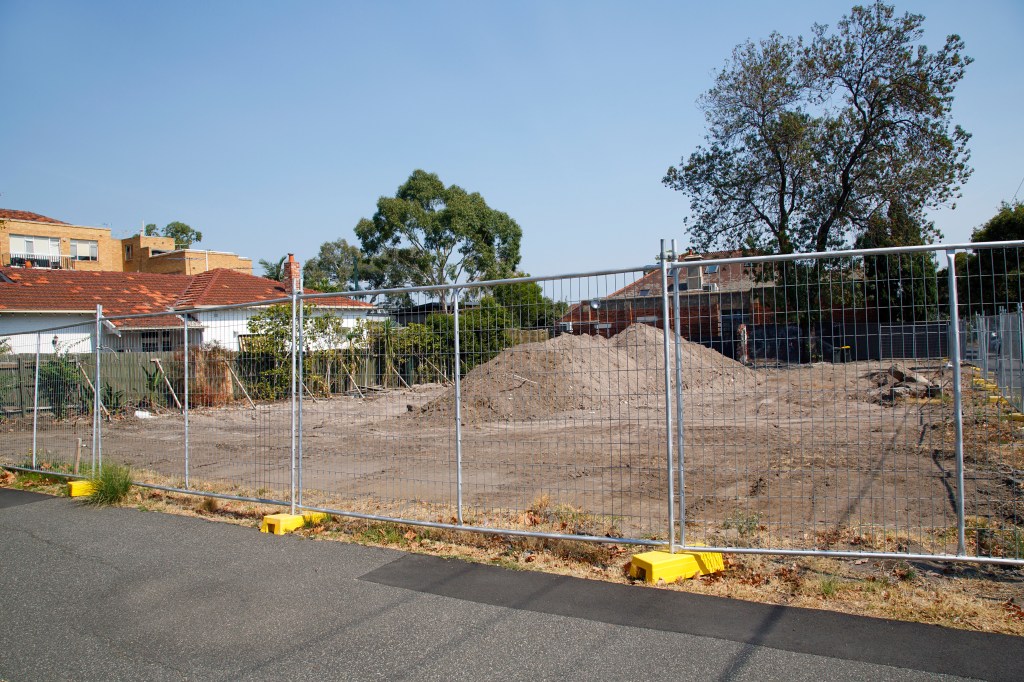
To reduce that exposure, coordinating builders risk and premises liability coverage is key. For example, a renovation site left open without fencing or secured materials could result in an injury claim, or even damage caused by unauthorized access, depending on the situation. Ensuring fencing is in place, access is restricted, and hazardous areas are covered or blocked off helps align with policy terms and demonstrates reasonable care. These proactive steps not only help protect the site but also position property owners more favorably if a claim arises.
Comprehensive Guide: Practical Steps to Reduce Liability on Empty Sites
Managing an empty building doesn’t have to be complicated, but it does require consistency, and that’s the foundation of effective risk control, insurance readiness, and long-term protection. For owners focused on limiting exposure, it starts with the basics: regular inspections, quick repairs of known hazards, snow and ice removal, working lighting, and secure locks, fencing, and entry points. Just as important, maintaining site security helps deter vandalism and unauthorized access, both of which can quickly turn into costly claims if left unchecked.
From there, establish a routine, weekly, bi-weekly, or monthly walk-throughs depending on the property and surrounding conditions. During each visit, take photos and keep simple notes to document conditions and any changes. This running record doesn’t just support upkeep; it strengthens your position if a claim arises. Consistent documentation, paired with visible maintenance and security efforts, shows the property is being actively managed, helping support your insurance coverage and reducing the likelihood of disputes down the line.
When an Incident Happens: Claims, Documentation, and Next Steps

Even with strong planning in place, properties that sit empty, especially those in certain locations or with aging structures, can remain susceptible to unexpected incidents. The reality of premises liability claims on vacant property is that when something does happen, the way you respond matters.
Acting quickly to secure medical help, preserve the scene, and begin documenting hazards sets the foundation for a well-managed claim. From there, notifying your carrier promptly helps move the claims process forward without unnecessary delays. Just as important, what you’ve done leading up to the incident, consistent inspections, clear records, and proactive maintenance, plays a key role in how the situation is evaluated.
Ultimately, preparation, documentation, and timely action all work together to support a smoother resolution. By staying consistent in how you manage the property and respond when issues arise, owners can better protect both the site and themselves, helping reduce the likelihood that an already challenging situation becomes more complicated than it needs to be.
Sources:
https://usassure.com/resources/articles/6-points-agents-should-know-about-premises-liability
https://www.zensurance.com/blog/what-you-need-to-know-about-vacant-commercial-property-insurance
https://nreig.com/what-you-need-to-know-about-your-premises-liability-coverage/
https://wyattdowling.ca/Why-Vacant-Property-and-Land-Need-Insurance
https://www.leaders-in-law.com/how-premises-liability-applies-to-construction-site-accidents/
https://www.oshawalawyers.com/post/premises-liability-when-property-owners-are-liable-for-injuries
https://www.axesslaw.com/homeowner-liability-for-a-home-contractors-injury/