
20 Fun Uses for Vacant Land That Will Inspire Your Next Project

Transforming an unused lot into a thriving community garden or urban farm does more than add greenery; it creates connection, purpose, and a profitable venture. Shared gardens bring steady foot traffic, simple structures, and visible care that signal vitality. With raised beds, reliable water access, and a posted participation plan, engagement becomes predictable and misuse is minimized.
Securing temporary land use permits and ensuring vacant land insurance readiness are key steps to protect your investment and clarify liability. Tying plots to a basic lease sets clear expectations, making the space safe, productive, and welcoming for all. Beyond community benefits, these spaces open doors to vacant land business ideas like local produce sales, workshops, and farm-to-table partnerships, turning idle property into a hub for local farming and sustainable growth.
Fun Uses for Vacant Land: Pop-Up Markets, Food Trucks, and Maker Fairs
Underused urban areas can transform into vibrant community destinations with the right activation strategy. Pop-up market spaces, temporary events, and outdoor event venues, such as weekend markets, food trucks, and maker fairs—inject energy into the property while supporting local food systems and generating incremental revenue. Simple steps like marking vendor pads, adding lighting, and implementing site access control keep the space organized and safe.
Incorporating a community garden can further strengthen ties to local food systems and sustainability. A recurring event calendar ensures the property remains active and visible, creating momentum while long-term development plans take shape.
RV, Boat, and Trailer Storage with Easement Access
Idle acres can quickly become a steady revenue stream by converting them into a secure, fenced storage lot for RVs or travel trailers, boats, and other large vehicles. Simple upgrades like gravel lanes, numbered stalls, and perimeter fencing create an organized, professional setup. Adding cameras, lighting, and access control systems enhances security while tracking entry for peace of mind.

Documenting conditions with photo logs at check-in and check-out simplifies incident documentation and reduces disputes. Offering equipment rentals and coordinating with local authorities for easement access can further expand services, making this an efficient and low-risk way to monetize unused land.
Glamping Sites and Tiny Cabin Stays
Glamping and tiny cabins can turn vacant land into a revenue-generating destination without heavy infrastructure. Offering short-term stays in tiny houses creates an outdoor hospitality experience that blends comfort with nature. Simple additions like raised platforms, fire-safe rings, and clear signage ensure safety and preserve the natural setting while maintaining vacant land insurance readiness.
Guests bring visibility and accountability to the property, reducing trespass and enhancing security. Staggered bookings keep traffic predictable and manageable, ensuring a balance between accessibility and tranquility for visitors, neighbors, and local wildlife. This approach can generate steady income while promoting sustainable land use.
Outdoor Event Lawn and Micro-Venue
Vacant land can become a vibrant outdoor event venue with a few smart upgrades. Level turf, lighting and power access, and a simple stage transform an empty lot into a flexible space for concerts, markets, and community gatherings. Securing temporary land use permits and setting clear rules on hours, capacity, and parking ensures smooth operations and neighbor comfort.
Incorporating event liability coverage and easement access adds professionalism and peace of mind. Leasing space for short-term activations combined with strong marketing strategies helps attract organizers and attendees.
Documenting each event with photos after closure and cleanup builds trust and accountability for future bookings, making sure you have enough space for both guests and logistics.
Golf Course, Disc Golf, Dog Park, and Casual Recreation

Simple, low-cost amenities can transform underused land into a hub for community engagement and daily activation. Adding disc golf baskets, a dog park, benches, and waste stations encourages low-impact recreation without heavy construction or major investment. Clear site rules signage and posted daylight-only hours help maintain safety and reduce overnight activity.
Splitting areas for sports fields, active play, and quiet relaxation ensures enough space for multiple interests while keeping operations manageable. These upgrades create a balanced outdoor environment that serves the local community and fosters ongoing participation.
U-Pick Rows, Orchards, and Cut-Flower Fields
Seasonal agritourism can transform vacant land into a valuable resource and family-friendly destination with minimal infrastructure. U-pick farms and orchards, along with seasonal attractions like a pumpkin patch, draw nature lovers and visitors in predictable waves, creating steady engagement throughout the growing season. Simple additions such as organized parking rows for traffic management, shade tents, and wash stations improve safety and flow for guests.
Partnering with local schools and leveraging local advertising can boost attendance and strengthen community ties. A well-planned harvest calendar helps schedule staffing and security, ensuring smooth operations while maximizing the property’s appeal and revenue potential.
Beekeeping, Pollinator Gardens, and Honey Sales
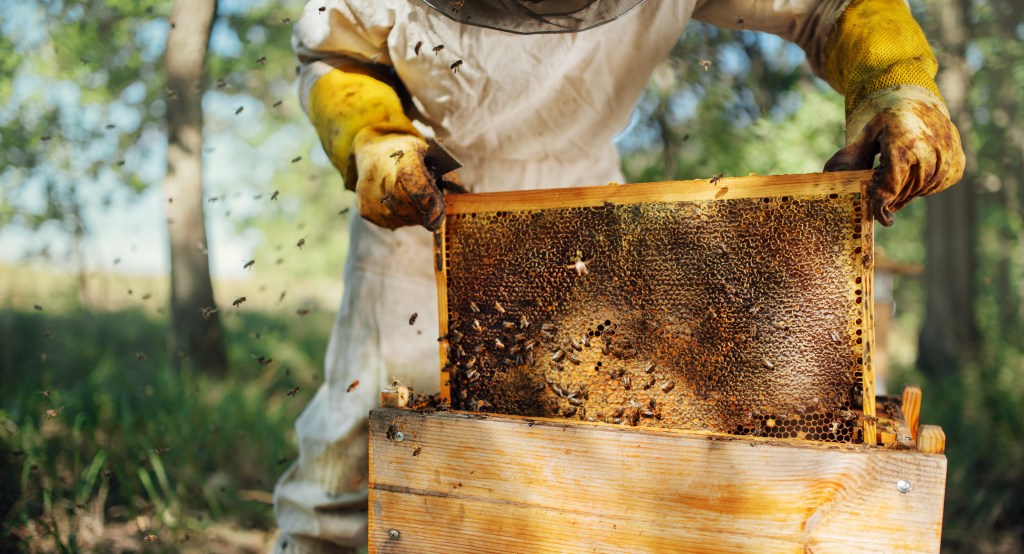
Introducing beekeeping and apiaries can deliver outsized ecological benefits with a surprisingly small footprint while creating a unique business venture. Thoughtful siting, caretaker access, and liability awareness are essential for safe and successful hive management. Pairing hives with native plantings promotes biodiversity, supports pollinator habitat, and can even improve yields for specialty crops. This approach stabilizes soil and reduces mowing needs, creating a low-maintenance landscape.
Posting site rules, caretaker contact information, and clear safety notes at the gate ensures transparency and community confidence. Honey sales and related products add a sweet revenue stream, turning vacant land into a valuable resource for nature lovers and local markets.
Agroforestry Rows and Micro Tree Farms
Agroforestry and tree farms offer a smart interim use for land while supporting long-term land holding strategies. Planting trees, berries, bamboo, or other perennial crops promotes sustainability and creates ecological and economic value over time.
Simple infrastructure, such as mulch lanes, drip irrigation lines, and perimeter fencing, keeps maintenance efficient and costs low. Annual asset tracking and inventory of plantings provide clear data on growth and value, turning idle acreage into a living investment.
Incorporating elements like a spiritual sanctuary or nature-based spaces can enhance community appeal, while leveraging natural resources and specialty crops adds diversity and revenue potential.
Solar Pads and Micro-Wind Demonstrations
Turning vacant land into a solar farm or renewable demonstration site is a strategic way to make money while promoting sustainability. Installing modular solar arrays or micro wind energy systems transforms sunlight and breeze into clean power and educational opportunities. Choosing a strategic location and conducting market research ensures maximum efficiency and long-term viability.
To maintain safety and reliability, secure equipment, implement access control, and clearly label shutoffs. Routine inspections with detailed logs demonstrate responsible operation and liability awareness, building trust with stakeholders. This approach not only protects equipment security but also positions your property as a valuable resource for renewable energy innovation.
Outdoor Fitness Park, Wellness Loop

Transforming a vacant lot or raw land into an outdoor fitness park is a powerful way to promote community health and daily activation. Installing durable stations like pull-up bars, step boxes, and balance beams along a crushed-stone wellness loop creates an inviting training ground for all fitness levels. Morning and evening users naturally provide informal eyes on the property, enhancing security through activity.
Adding a community garden nearby strengthens engagement and offers a holistic wellness experience. Clear wayfinding signs and a mileage map make the space easy to navigate, turning unused land into a vibrant destination for movement, recreation, and neighborhood connection.
Biking or Walking Trails, Pump Tracks, and Skills Zones
Transforming raw land or a vacant lot into bike trails and pump tracks creates energy, engagement, and outdoor recreation without heavy infrastructure. Proper drainage and grading ensure smooth flow and environmental sustainability, while clear one-way rules and access control at each access point keep riders safe. Volunteer trail stewardship days help maintain the space affordably and foster community involvement.
Prominent site rules signage deters off-hours motorized use, preserving the area for healthy, active recreation. Incorporating educational programs about reducing carbon footprint and promoting sustainability can further enhance the value of the site, turning it into a destination for nature lovers and local families.
Seasonal Pop-Ups: Trees, Pumpkins, and Markets
Short bursts of seasonal attractions can turn a vacant land parcel into a profitable venture without long-term commitments. Hosting a pumpkin patch in the fall or a holiday tree lot in winter creates predictable traffic and community engagement. Temporary retail setups with tents, cord covers, and illuminated exits ensure visitor safety and smooth event operations while reducing liability risks.
These pop-up activations, combined with smart small business ideas and local advertising, keep the property active and visible. Adding a storage facility for off-season equipment makes operations efficient, while clear site rules and traffic flow planning maintain neighbor comfort. It’s a simple way to monetize idle land, strengthen local ties, and generate steady revenue.
Park-And-Ride, Overflow, Or Event Parking

Vacant land can quickly become a profitable venture by converting it into organized parking and park-and-ride solutions. Striped rows, lighting, and basic patrols transform an empty lot into safe, practical overflow parking for nearby venues and transportation systems. Controlled gate hours and access control maintain predictable operations while discouraging unauthorized camping.
Consistent scheduling simplifies staffing and coverage, making the property attractive to real estate investors seeking steady returns. With proper planning, a vacant lot becomes a functional asset that supports community mobility and generates reliable revenue.
Film, Photography, and Content Shoots
Vacant land can become a profitable business opportunity by serving as a film and photo location rental. Unique textures, open sightlines, and controlled access make these parcels ideal for production logistics and creative backdrops. To ensure smooth operations and minimize liability, require permit coordination, certificates of insurance, and a detailed site map for every booking.
After each shoot, walk the property to confirm closures and capture proof-of-condition photos. These simple steps help generate income while turning unused space into a safe, sought-after resource for filmmakers, photographers, and content creators.
Nature Play, Hiking Trails, and Passive Open Space
Vacant land can become a serene, passive open space with simple, low-maintenance activation strategies. Mowed paths, log seating, and native meadows offer a calm alternative to formal parks while signaling care and stewardship. These low intensity uses reduce wear and maintenance demands, making them cost-effective and sustainable for community use.
Adding a kiosk with a simple map sets expectations for visitors and encourages exploration. Incorporating features like a community garden, tiny houses, or even an outdoor storage facility can diversify functionality and create additional revenue streams. This approach transforms raw land into a valuable resource that promotes relaxation, nature connection, and long-term usability.
Art Walks and Temporary Installations

Rotating sculptures, murals, and other temporary art installations can quickly transform a property’s identity and attract repeat visitors. Thoughtful placemaking details—such as site lighting and sturdy plinths, not only protect the artwork but also make the space feel curated and intentional. Establishing a clear curatorial schedule, like quarterly changeovers, keeps interest high and ensures the site remains dynamic and engaging. These simple steps foster community connection through creativity while turning underused land into a vibrant cultural destination.
Stormwater Gardens and Green Infrastructure
Rain gardens, bioswales, and strategically planted trees do more than manage runoff, they create green infrastructure that enhances environmental stewardship and beautifies property edges. These features improve stormwater management, reduce flooding risk, and add ecological value while promoting sustainability.
Marked maintenance paths allow easy inspections without damaging plantings, and clear labeling educates visitors while discouraging tampering. Incorporating pollinator-friendly zones or even areas to raise livestock can diversify land use and generate additional benefits. Thoughtful design turns stormwater solutions into a visible commitment to sustainability, transforming vacant land into a functional and educational resource for the community.
Quiet Coordination That Keeps Fun Safe
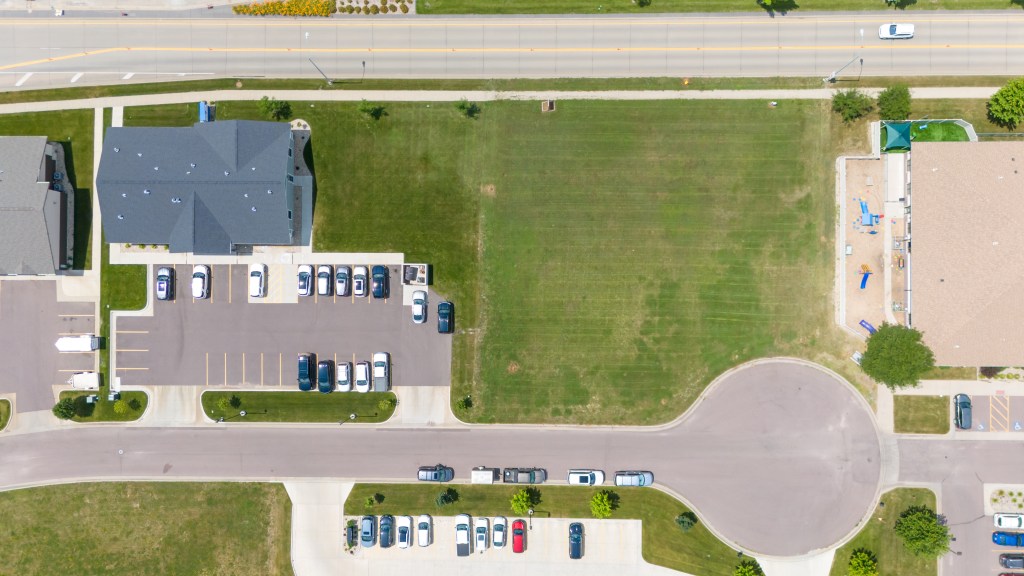
Whatever activation you choose, predictable routines, such as fencing, site lighting, access codes, and thorough documentation with photo logs, are essential for vacant land insurance readiness and property preservation.
Simple agreements and event checklists protect all parties while maintaining momentum for future uses. When site access control and operational structure are in place, raw land becomes organized, welcoming, and insurable.
These measures ensure you can confidently utilize vacant land as a profitable, sustainable resource without exposing yourself to unnecessary risk.
Sources:
https://landopia.com/50-surprisingly-creative-uses-for-vacant-land/
https://www.compasslandusa.com/unique-land-uses/
https://www.onemorehectare.com/en/landstyle/18-creative-uses-for-raw-land
https://communitylands.com/communitychronicle/creative-uses-for-your-vacant-land:-beyond-building-a-home
https://www.compasslandusa.com/unique-land-uses/
https://www.starterstory.com/vacant-land-business-ideas