
Carrier Appetite for Vacant Buildings: What Matters Most
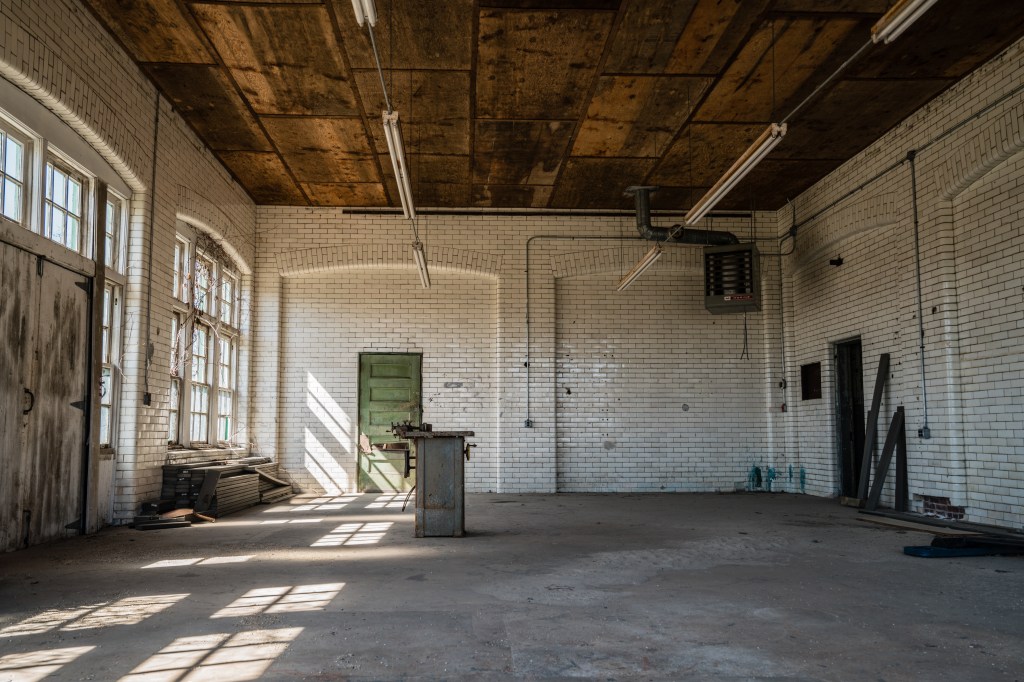
When vacant commercial properties sit unoccupied, insurance outcomes often depend less on the address itself and more on whether the risk aligns with a carrier’s appetite. Some insurers remain comfortable offering insurance coverage for short‑term vacancies that are well-maintained, secured, and monitored, especially when utilities are managed properly, and personal property is still being protected inside the building.
Others become far more cautious once a property is fully vacant, particularly if the vacancy is extended, the roof is nearing the end of its life, or external factors like crime exposure, wildfire risk, or delayed emergency response increase the likelihood of loss.
What “Carrier Appetite” Really Means for Vacant Property Owners and Commercial Properties
Carrier appetite refers to an insurer’s willingness to take on a specific type of risk, and for vacant commercial buildings, that decision is highly nuanced. Insurance companies actively assess each vacant property individually, considering factors such as its value, condition, and management during the time it is unoccupied.
This is why insurance agents often see very different outcomes for similar commercial buildings: one carrier may offer coverage with added conditions, another may apply higher pricing, and another may decline altogether, based on how the risk aligns with their appetite and underwriting guidelines.
Why Vacant Buildings Face More Scrutiny Than Occupied Ones
Insurers find vacant buildings more challenging to cover in real estate because property owners often identify losses later, allowing them to worsen before anyone takes action. Whether a commercial property is fully vacant or dealing with partial vacancies, the exposure to vandalism, theft, water damage, fire, and gradual deterioration increases significantly, sometimes extending beyond the main structure to other structures on the site as well. That elevated risk is why insurers often respond with higher premiums, tighter terms, or reduced options when the right coverage isn’t in place early.
Vacant property insurance addresses the unique risks associated with vacant real estate, which presents different risk factors than occupied buildings. By matching each situation with the appropriate coverage, property owners can effectively protect their long-term property value.
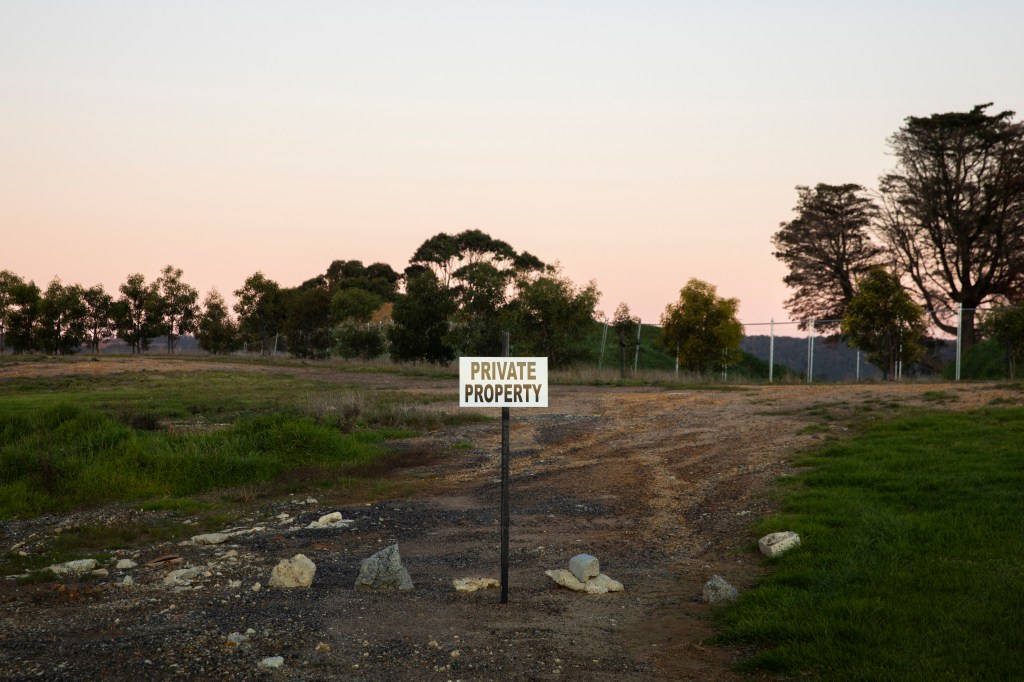
The First Things Carriers Want to See: Security and Utility Control
One of the clearest indicators of carrier appetite is whether meaningful risk controls remain in place at the property. For vacant commercial buildings, insurers look closely at active security measures, documented inspections, and the continued operation of essential utilities that help preserve the structure and limit premises liability over an extended period of vacancy.
Working alarms, monitored systems, seasonal heat, and routine site checks all signal active management and can positively influence a property’s protection class in underwriting. Leaving a building dark, unsecured, and unmanaged for an extended period increases the chances of unnoticed damage, and insurers quickly become less willing to provide coverage.
Location Still Drives Broad Appetite, Especially In High-Risk ZIP Codes
Even a well‑maintained vacant property can face tougher placement if it’s located in a high‑risk ZIP code. Carriers often narrow their appetite in areas with elevated crime, wildfire exposure, blight, or slower emergency response, making it harder to find a vacant policy with a broad appetite for coverage. This affects all property types, including both residential and commercial buildings. Recent tenant departures or ongoing tenant-related issues can complicate the situation and create uncertainty. For owners, location doesn’t just affect pricing; it can directly determine whether vacant coverage is available at all, regardless of condition.
Roof Age and Roof Material Have Become Major Underwriting Questions
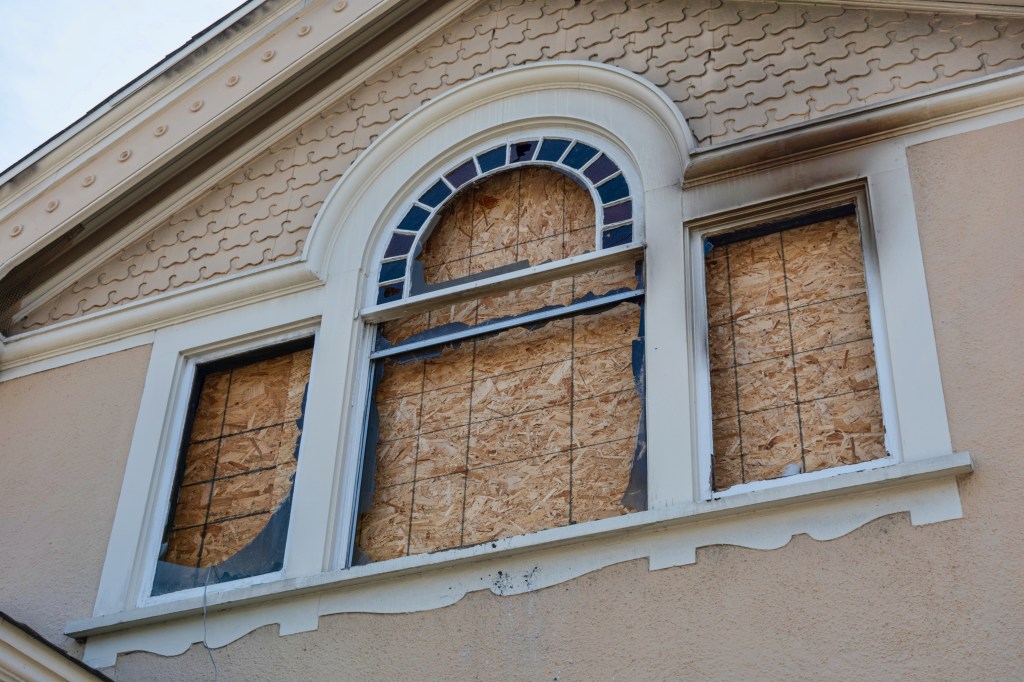
Roof condition is not usually a minor detail in vacant‑property underwriting, and carriers may scrutinize the roof as a primary loss driver. Carriers closely evaluate roof age, materials, drainage performance, and signs of deferred maintenance, especially when prior repairs, renovations, or signs of structural damage are present. A newer roof with clear documentation can support appetite and reduce concerns around certain losses like water intrusion or collapse, while an older roof with an unclear maintenance history can quickly trigger tighter terms, exclusions, or limitations under a vacant policy.
When Standard Markets Step Back and Specialty Markets Step In
Carriers respond more favorably when an insured property appears actively managed rather than truly abandoned, even while unoccupied. Updated building systems, current photos, inspection logs, roof maintenance, seasonal preparations, and a clean loss history all help demonstrate that the owner is taking steps to maintain coverage and reduce risk.
By contrast, prior vacant property claims, visible deterioration, unresolved repairs, or unclear maintenance records introduce uncertainty around future losses, which tends to narrow appetite and make coverage harder to secure.

Vacancy Duration Changes the Conversation More Than Owners Expect
People view a building that has been vacant for only a few weeks very differently than they view one that has remained unoccupied for months without any clear next steps. As vacancy drags on, carriers are more likely to tighten underwriting conditions, limit available markets, or require specialized vacant property coverage beyond what a standard landlord policy allows.
Property managers and those involved in property management view the length of a vacancy as more than just a timing detail; they recognize it as one of the strongest indicators insurers use to evaluate whether they are effectively managing risk or allowing it to deteriorate into a higher-severity underwriting category.
Why Documentation Helps Owners Land in Better Markets
Carriers tend to reward owners who can clearly demonstrate how they’re managing risk. For underwriters evaluating specific risk characteristics, documented inspections, proof of maintained utilities, seasonal preparations, current photos, alarm records, and maintenance logs all make it easier to assess the property with confidence.
For businesses and their clients, strong documentation can be especially valuable when securing a short‑term policy or navigating a vacancy, often resulting in better pricing, stronger terms, and access to more carrier options because the risk feels transparent and controlled rather than uncertain.

Advanced Risk Technology Is Becoming Part of the Appetite Conversation
For many vacant risks, technology is no longer just an added layer, it’s increasingly part of the underwriting expectation. Tools like smart leak detection, remote temperature monitoring, alarms, camera systems, and other real‑time reporting solutions help demonstrate active oversight, even when no one is on‑site.
This visibility is especially important during extended vacancies or renovations, where exposure to theft and unnoticed damage rises. These systems offer real-time risk data, helping insurers maintain a broader appetite for covering properties that might otherwise be considered too risky to insure.
Standard Markets, Specialty Markets, and Why Quotes Vary So Much
When standard insurance markets step back, it’s often because the property no longer fits their appetite for vacancy duration, condition, or overall exposure profile under comprehensive coverage expectations. That doesn’t necessarily mean the risk is uninsurable; more often, it signals a shift toward specialty markets designed specifically for vacant property insurance coverage.
These carriers are accustomed to tougher scenarios and may structure limits, deductibles, or settlements around actual cash value, while requiring stricter controls and documentation.
Although the process can feel more demanding, specialty markets recognize that vacant properties can still be responsibly insured when ownership and management practices support the risk.

Transitional Use Can Improve Appetite Faster Than Owners Think
Carrier appetite often improves more quickly once a building begins moving away from pure vacancy and toward a defined, transitional use. Partial occupancy, lessor’s risk status, or a credible repositioning plan can all play a vital role in making the property feel more stable and less open‑ended from an underwriting perspective.
These steps help support comprehensive coverage by reducing uncertainty around how and when a covered loss might occur. Property owners should treat vacancy as an actively managed phase rather than a fixed status that stifles their evolving interests.
How Owners Can Turn “Not Our Appetite” Into “We’ll Consider It”
An initial “no” from a carrier isn’t always the final answer. Appetite often improves when owners take proactive steps to control risk on a vacant property, strengthening security systems, maintaining required utilities, documenting inspections, addressing visible maintenance issues, and clearly outlining next steps for the building. These efforts not only reduce physical exposure but can also help limit downstream concerns like lost rental income following a loss.
In practical terms, the more a vacant property appears monitored, managed, and temporary, the more likely insurers are to reconsider and engage in coverage.
Sources:
https://www.pathpoint.com/blog/vacants-to-lessorsrisk
https://www.mynewmarkets.com/articles/182729/know-insuring-vacant-property
https://www.zurichna.com/insurance/zpm/property/vacant
https://inszoneinsurance.com/blog/non-admitted-insurance-markets
https://roughnotes.com/rnmagazine/2010/september2010/2010_09p212.htm
https://www.aig.ca/content/dam/aig/america-canada/canada/documents/brochure/casualty-appetite-capabilities-eng.pdf?utm_source=chatgpt.com
https://www.casact.org/sites/default/files/old/affiliates_cagny_0516_mango.pdf?utm_source=chatgpt.com
https://www.rgare.com/knowledge-center/article/selling-life-insurance-successfully-to-the-hnwi-market?utm_source=chatgpt.com