
Video Guarding vs Self Monitored Systems: Which Is Right for You?

Why Vacant Property Can Become a Prime Target for Security Threats
When a property sits empty, security gaps become much harder to ignore. The debate around Video Guarding Vs. Self-Monitored Systems is not simply about technology, but about how quickly a potential threat is identified, verified, and addressed when no one is on-site to notice. For property managers, owners, and asset protection teams, the decision often comes down to whether a camera system is only capturing events or actively helping prevent them.
In occupied buildings, employees, tenants, or neighbors may spot suspicious activity and take action, but vacant properties rarely have that advantage. Once a site appears unprotected, it can become a prime target for trespassing, theft, vandalism, illegal dumping, arson, and deliberate property damage. Vacant properties can experience significant damage within days of losing active oversight. A broken window, forced door, water leak, burst pipe, or small fire can escalate quickly when no one is present to intervene.
This makes it critical to secure vulnerable entry points, monitor activity across the site, and maintain consistent visibility even after hours. Modern systems, including deployments powered by solar power in locations where traditional utilities may be unavailable, can help extend protection to remote or temporarily vacant sites. As a result, the difference between receiving an alert on your phone and having trained professionals actively monitoring and responding to events can significantly impact whether an incident is contained or escalates into a costly loss.
Choosing the right vacant property remote watch strategy means understanding who is watching, who responds, and how quickly that response can happen when every minute matters. Ultimately, the effectiveness of your security response for empty buildings can determine whether an incident is stopped early or becomes an expensive problem.
Security Cameras Still Depend on Property Owners to Respond
Self-monitored security systems can be an effective option for property owners who are consistently available and able to respond to alerts as they occur. Their appeal often comes from lower monthly costs and the ability to maintain direct control over security decisions. However, the success of this approach depends on someone promptly seeing each notification, assessing the situation accurately, and taking appropriate action. Whether monitoring a vacant building or vacant land, a delayed response can create opportunities for trespassers, vandals, or thieves to act unnoticed.
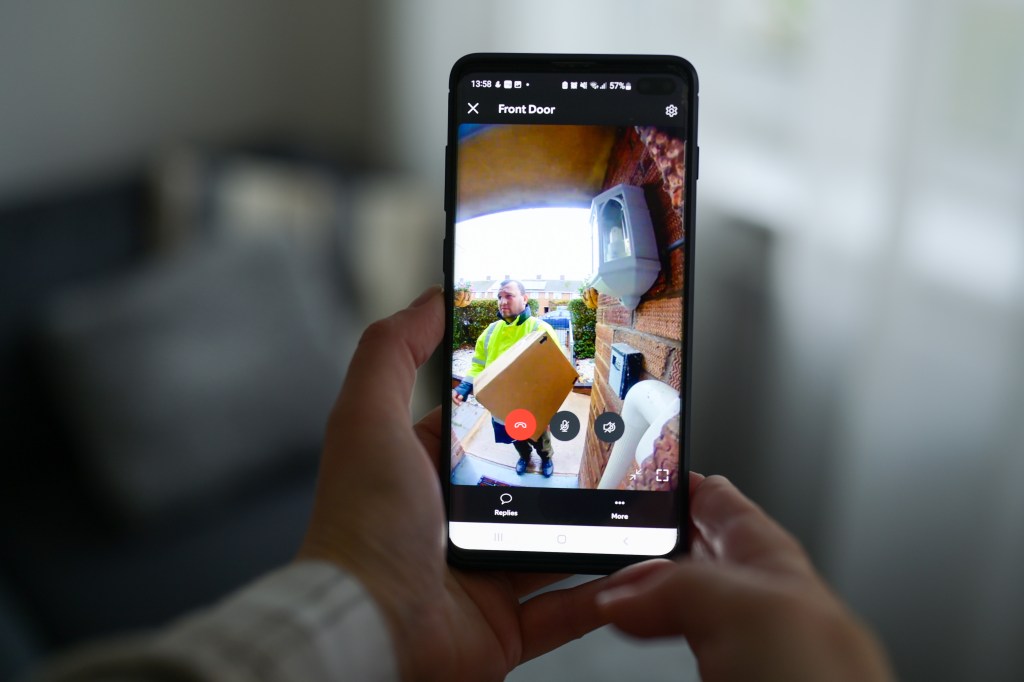
Many owners rely on surveillance cameras and motion activated lights to increase visibility and discourage unauthorized activity, but these tools are only as effective as the response that follows an alert. For those relying on self-monitored security for empty buildings, even a short delay can increase risk. While modern self-monitoring app alerts security features provide real-time notifications, they still depend on the owner’s availability and willingness to respond.
Self-monitored systems also commonly use a DIY installation approach, particularly when owners purchase wireless cameras, door sensors, motion detectors, or app-connected devices directly. DIY installation can reduce upfront costs, but camera placement, connectivity, power, weather resistance, detection zones, and ongoing maintenance still determine whether the system works reliably. This is why many property owners compare the cost of monitored security vs self monitoring, weighing potential savings against the possibility of slower intervention when protecting a vacant property.
Property Managers Need an Alarm System with a Clear Response Plan
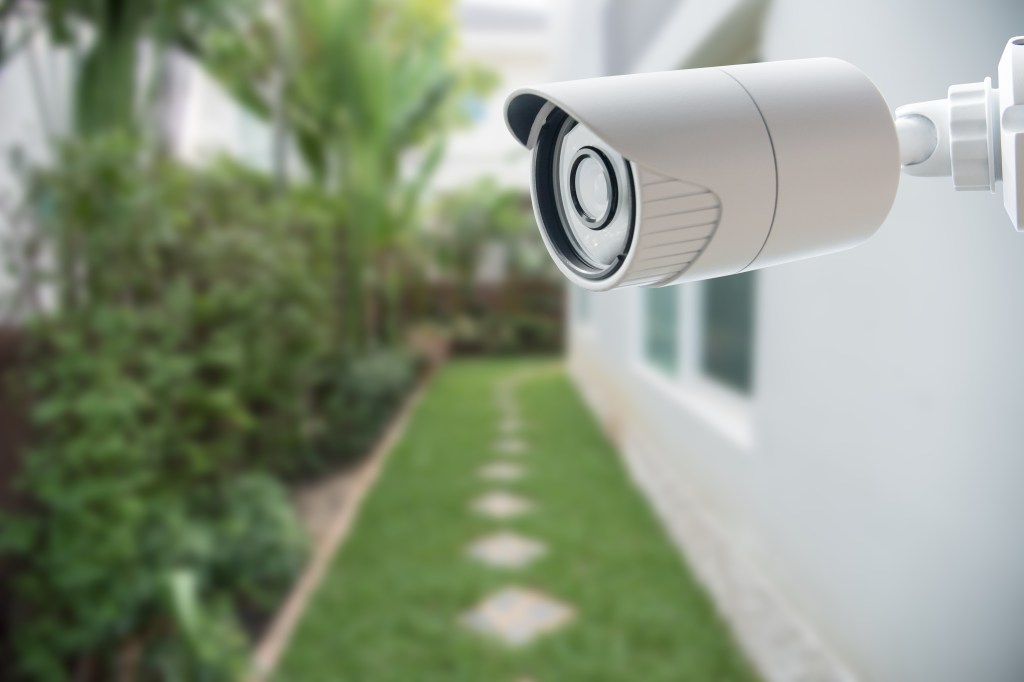
Professional monitoring changes how an alarm system is handled by placing trained personnel between the alert and the response. Instead of relying on property owners or property managers to notice every notification and decide what to do next, a professionally monitored system can trigger action even when the primary contact is unavailable.
Before activation, property managers should establish an escalation list identifying who receives routine alerts, who can authorize site access, when police or fire services should be contacted, and how verified incidents will be documented. When comparing monitored vs self-monitored security, the key distinction is that monitoring teams provide continuous oversight and can initiate a response even when the owner is sleeping, traveling, or otherwise unreachable.
This 24/7 monitoring approach plays an important role in effective vacant property security, especially for empty buildings where there are no occupants on-site to identify potential issues. Monitoring teams can also help detect activity near the property line, identify unauthorized access attempts, and determine whether suspicious behavior represents a real threat to the property. While professional monitoring typically involves ongoing fees and, in some cases, service agreements, it helps create a more consistent and dependable security response for empty buildings, reducing the risk that critical alerts go unanswered when time matters most.
Live Monitoring Is More Than Checking Security Cameras Remotely
Many property owners assume remote security simply means opening a mobile app to check camera footage after receiving an alert. In reality, there is a significant difference between remote viewing and remote video monitoring. Remote viewing gives owners access to live or recorded video surveillance feeds, allowing them to review events and gather evidence after an incident occurs. Live monitoring involves trained professionals actively watching or managing video feeds, reviewing alerts, verifying conditions, and responding to suspicious activity in real time.
For vacant properties, that distinction can be critical. While evidence and video logs for claims can help support investigations and insurance documentation after a loss, live video monitoring for vacant sites provides the opportunity to identify and address threats while they are still unfolding. It can also help identify blocked views, camera failures, power interruptions, connectivity problems, or other conditions that leave important areas unprotected. Many modern systems incorporate two-way audio, allowing monitoring personnel to communicate directly with trespassers and issue warnings before a situation escalates. Whether deployed through temporary units or permanent cameras, remote video guarding for vacant property solutions help transform cameras from passive recording devices into proactive security tools that reduce response delays and improve protection for unoccupied buildings.
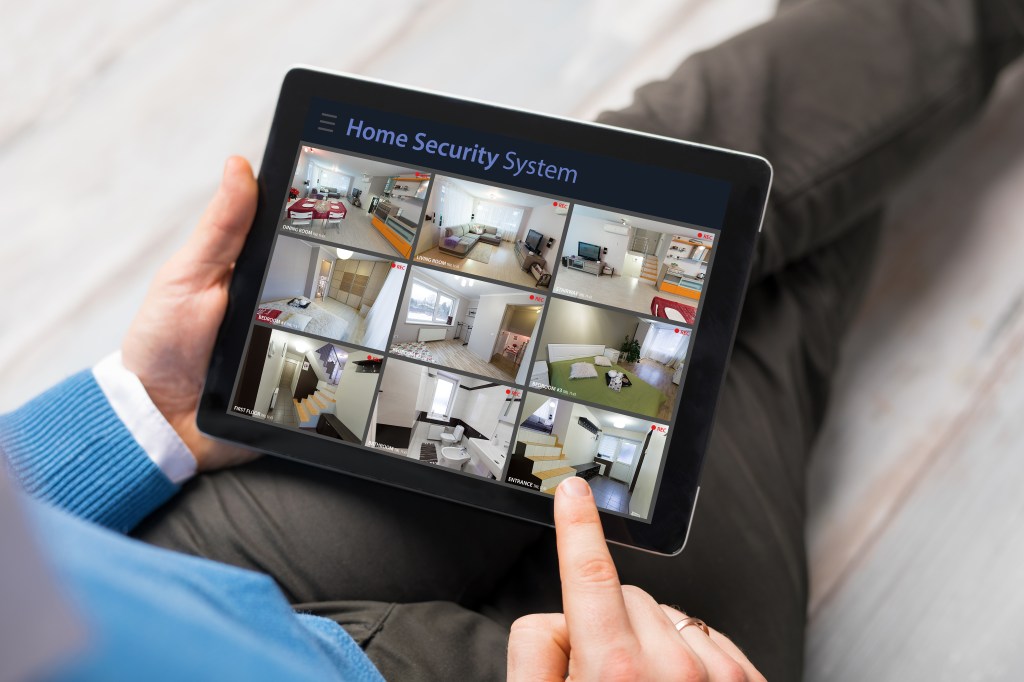
Video Guarding Combines Live Monitoring with AI Detection
Video guarding takes remote security a step beyond monitoring by adding real-time intervention and deterrence capabilities. While standard live monitoring focuses on observing and verifying activity, video guarding combines active surveillance with immediate response measures designed to discourage unwanted behavior before it escalates. Through virtual guard services for empty properties, trained operators can assess situations as they unfold, issue audio talk-down deterrence warnings, follow established escalation procedures, and coordinate incident handling when necessary.
Video guarding often uses AI-powered video analytics for threat detection. AI detection can classify movement, establish virtual boundaries, identify people or vehicles entering restricted areas, and direct an operator’s attention to activity requiring review. Properly configured analytics can also filter false alarms caused by wildlife, vegetation, shadows, rain, or other routine movement. When analytics are reviewed by an operator, video guarding systems can reduce false alarms by up to 99.7%. A human operator can review the event before escalation, helping distinguish an animal crossing the property from a person approaching a restricted building.
This approach helps address the unique challenges associated with vacant properties, where there are no occupants on-site to report suspicious activity or verify whether an alert represents a genuine concern. Depending on the site’s needs, the security system and its individual components, including cameras, analytics, speakers, and monitoring services, can be customized during the install process to provide more effective coverage.
While the cost of remote guarding may be higher than basic monitoring, many owners view it as a worthwhile investment because it delivers active oversight and intervention rather than simple notifications. With reliable internet connectivity supporting real-time communication and monitoring, remote guard monitoring for commercial property transforms security cameras into active deterrents that can help interrupt theft, vandalism, or unauthorized access before greater damage or loss takes place.
Live Monitoring Response Speed Separates the Security Models
Response speed is often the factor that most clearly separates self-monitored systems, professional monitoring, and video guarding solutions. With self-monitoring, security depends on the property owner receiving an alert, reviewing the situation, and deciding how to respond. Professional monitoring shortens that process by placing trained operators in the chain of response, while video guarding goes a step further with proactive intervention and deterrence measures that can be deployed immediately.
For vacant properties, where no employees, tenants, or residents are present to notice suspicious activity, every minute can make a difference. Video guarding may therefore be more suitable for commercial properties where delayed intervention could expose equipment, inventory, building systems, or large exterior areas to significant loss. A delayed response may allow theft, vandalism, or an intrusion to escalate, while faster detection and intervention can help reduce potential losses.
This is why remote video monitoring response time is often a key consideration when evaluating security solutions for unoccupied sites. Whether a vacant house, commercial property, or industrial facility, maintaining reliable power and properly installing security equipment are essential for ensuring alerts reach monitoring teams without interruption.
Through proactive escalation and communication with local authorities when necessary, after-hours monitoring vacant property services help deliver a faster security response for empty buildings, minimizing risks and limiting the impact of an incident before it grows into a more costly problem.
Cost Matters, But So Does What the Cost Is Buying
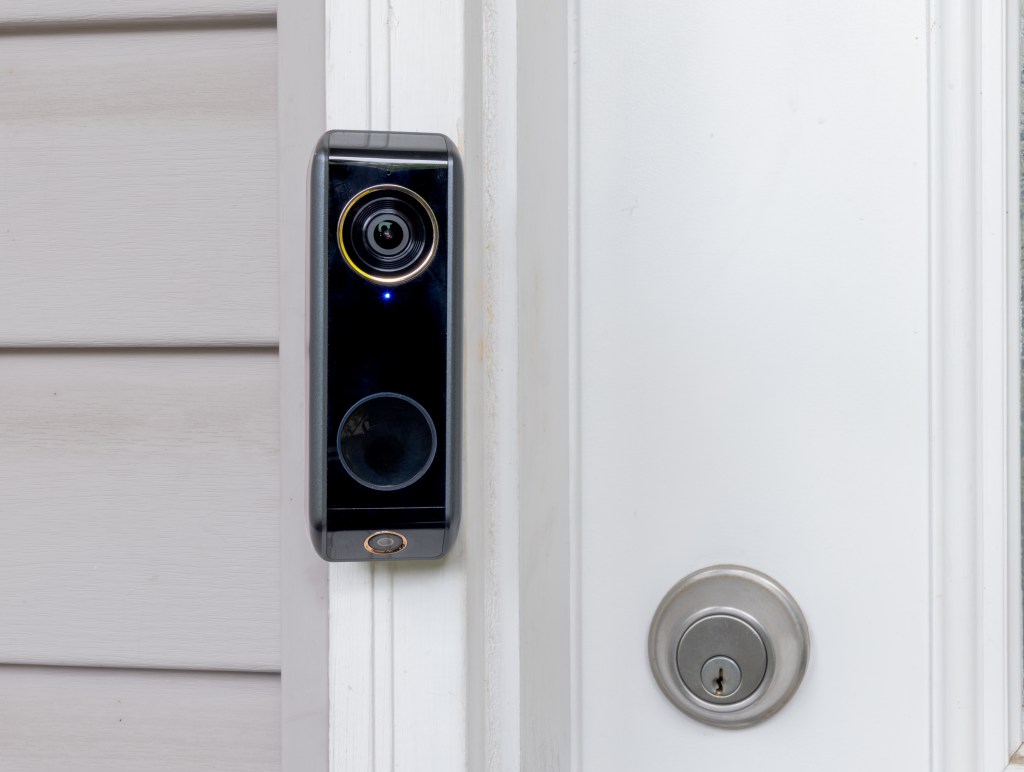
When comparing security options for a vacant property, cost is an important consideration, but understanding what that cost actually provides is equally important. Self-monitoring may offer the lowest monthly expense, with alerts sent directly to the property owner and little or no recurring service fee. Professional monitoring typically adds ongoing costs because trained personnel are available to review alerts and coordinate responses around the clock.
More advanced remote video guarding for vacant property solutions often represent a larger investment because they include active human oversight, real-time verification, and intervention capabilities designed to deter incidents before they escalate. These systems can help keep doors and other vulnerable access points secure, while leveraging reliable internet connections and cellular connectivity to maintain communication even when traditional network service is disrupted.
In addition, live monitoring allows trained operators to assess threats as they occur rather than relying solely on recorded footage. When evaluating the cost of monitored security vs self monitoring, vacant property owners should look beyond the monthly price and consider the level of protection being delivered. Ultimately, the choice between monitored vs self-monitored security comes down to the quality of response, oversight, connectivity, and risk reduction needed when no one is on-site to act.
The comparison should consider equipment, installation, connectivity, monitoring hours, alert verification, audio deterrence, maintenance, repairs, and escalation services. Remote monitoring may cost less than maintaining continuous on-site guard coverage, but the actual savings depend on the size of the property, operating hours, guard requirements, and number of cameras.
Self-Monitoring Can Support Property Security at Lower-Risk Sites
Self-monitored systems can be a practical choice for certain vacant properties, particularly those with lower risk profiles, shorter vacancy periods, and owners who remain closely connected to the site. When a property owner lives nearby, routinely checks alerts through mobile app security monitoring, and can quickly conduct site visits or coordinate assistance, self-monitoring may provide an acceptable level of security without the added expense of professional services. This approach is generally best suited to smaller, less complex properties equipped with security cameras, dependable connectivity, and a nearby person who can respond safely and promptly.
However, vacant properties can quickly become a prime target for trespassers, vandals, and thieves, especially if issues such as broken windows or other visible signs of neglect are left unaddressed. As a result, the effectiveness of self-monitored security for empty buildings depends heavily on the owner’s availability, responsiveness, and willingness to take responsibility for emergency decisions. For vacant property owners who can consistently stay engaged and react quickly when alerts occur, self-monitoring can offer a cost-effective security solution that aligns with the property’s risk level.
Video Guarding Protects Commercial Properties and Construction Sites
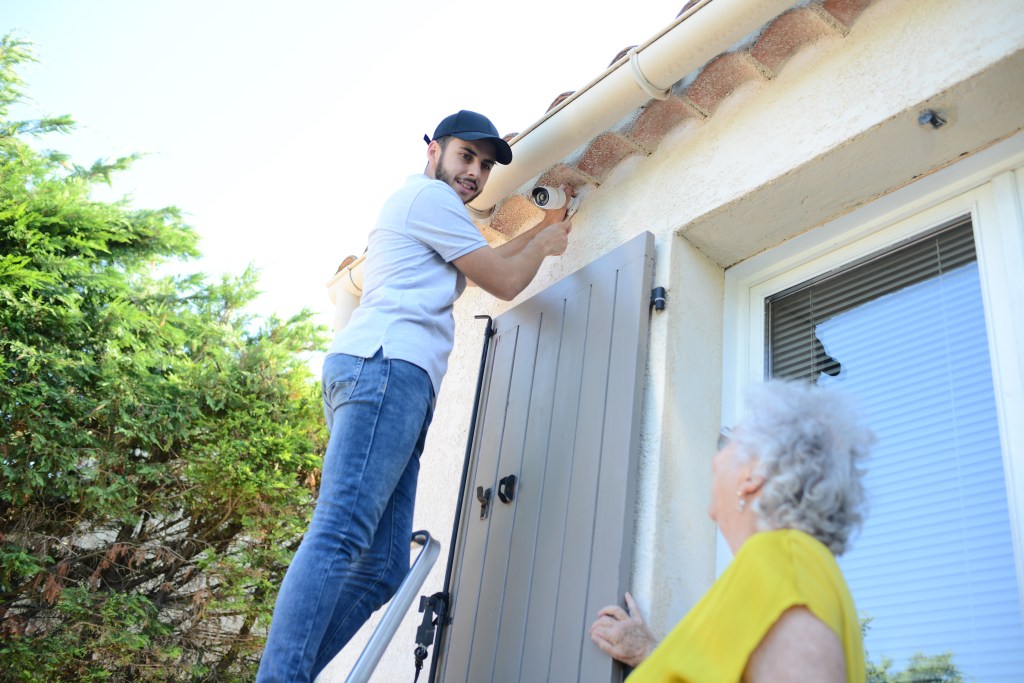
Video guarding makes the most sense when the financial or operational impact of a delayed response is significant. Commercial buildings, construction sites, parking lots, equipment yards, vacant retail properties, and facilities with recurring trespassing or theft may require more than basic alert notifications to maintain effective property security.
Construction sites and parking lots present particular challenges because they can contain wide outdoor areas, multiple access points, valuable vehicles or equipment, and limited fixed infrastructure. Camera layouts should account for entrances, perimeter lines, material-storage areas, fuel tanks, machinery, pedestrian routes, and concealed spaces.
Solar-powered cameras can operate independently of fixed electrical infrastructure when they include suitable panels, batteries, cellular connectivity, and power-management controls. They can be especially useful on construction sites, parking lots, vacant land, and remote sections of larger properties, although shade, extreme temperatures, weather, data coverage, and seasonal daylight can affect performance.
In these situations, remote video guarding for vacant property provides an added layer of protection by combining real-time detection, threat verification, and active intervention. This proactive approach is particularly effective during after-hours monitoring vacant property periods, when risks tend to be highest and property owners are least likely to respond quickly themselves.
By monitoring vulnerable entry points and other high-risk areas, trained operators can identify suspicious activity as it occurs and take immediate action. Whether deployed as a temporary solution or integrated into a site’s permanent infrastructure, remote guard monitoring for commercial property helps reduce the likelihood that a minor security event develops into a costly loss.
Mobile Apps Still Matter — Even in a Professionally Watched Setup
Even when a property owner invests in professional monitoring or video guarding, mobile technology remains an important part of the overall security strategy. Mobile app security monitoring gives owners convenient access to system controls, allowing them to arm or disarm an alarm system, review recorded clips, check site conditions, and stay informed about security activity from virtually anywhere.
Where compatible sensors are installed, the same interface may also display extreme temperatures, water leaks, power failures, smoke alarms, fire alerts, and conditions that could lead to burst pipes. These environmental alerts require their own response procedures and should not be treated as substitutes for code-required fire or life-safety systems. The key difference is that the app is no longer the sole line of defense.
Instead of relying entirely on self-monitoring app alerts security features to detect and respond to incidents, the app works alongside professional oversight as part of a broader security plan, keeping owners informed while trained personnel handle monitoring and intervention when necessary.
This combination creates a more balanced approach for vacant properties, where relying exclusively on mobile notifications can introduce risk if alerts are missed or delayed. With dependable internet access, owners can stay connected to their systems while maintaining visibility into important events. At the same time, recorded footage and evidence and video logs for claims can help document incidents and support investigations, making the mobile app a valuable component of a comprehensive security plan rather than the primary response mechanism.
Hybrid Setups Often Fit Vacant Property Better Than Pure Either-Or Choices
For many vacant property owners, the best security solution is neither fully self-monitored nor fully managed, but a combination of both. A hybrid approach creates layered security for vacant properties by allowing owners to adjust protection levels based on changing risks and operational needs.
For example, recorded cameras and AI detection may provide adequate coverage during lower-risk periods, while live monitoring or video guarding can be activated overnight, on weekends, during construction projects, tenant turnover, extended vacancies, or periods of elevated criminal activity. This type of vacant property remote watch strategy can also work alongside security services and provide faster coordination with local law enforcement when a verified incident occurs.
For a vacant house or commercial property, the financial impact of theft, vandalism, or unauthorized access can quickly reach tens of thousands of dollars in repairs, replacement costs, and lost revenue. By aligning security resources with actual exposure, a hybrid approach delivers stronger protection when it is needed most without requiring owners to pay for the highest level of monitoring around the clock.
Pick The Watch Strategy That Matches Your Availability, Risk, and Hold Period
The right vacant property remote watch strategy depends on three key factors: the property’s risk level, the owner’s ability to respond, and the expected length of the vacancy. For an empty property with limited exposure and a short hold period, self-monitoring may be sufficient if the owner or property managers are nearby and able to react quickly to alerts. However, when comparing Video Guarding Vs. Self-Monitored Systems, higher-risk sites often benefit from a stronger focus on proactive monitoring and intervention, and properties with live monitoring report 94% fewer security incidents.
Larger properties and an empty building in remote locations may need stronger measures to protect against trespassing, theft, and vandalism, making faster detection and deterrence especially important. In many cases, combining multiple security measures creates layered security for vacant properties, helping owners and managers close the gap between detection and real-world response. Ultimately, the best approach is the one that matches the property’s exposure level and reduces the likelihood that a security incident turns into a costly claim, repair, or prolonged vacancy.
Sources:
https://www.gps-securitygroup.com/remote-video-monitoring-services-vs-on-site-guards-2026/
https://www.vivint.com/resources/article/monitored-vs-self-monitoring-security-system
https://www.paswordprotection.ca/blog/self-monitoring-security-system-vs-monitored-security-system
https://www.een.com/blog/surveillance-101-remote-video-monitoring-explained/
https://www.safehome.org/security-systems/best/mobile-app/
https://securetechie.com/blog/remote-video-monitoring-vs-guards/
https://techprosecurity.com/security-articles/security-camera-system-installation/remote-guard-monitoring-vs-live-video-monitoring-what-s-the-difference/