
Effective Temporary Fencing for Vacant Property: Your Essential Guide
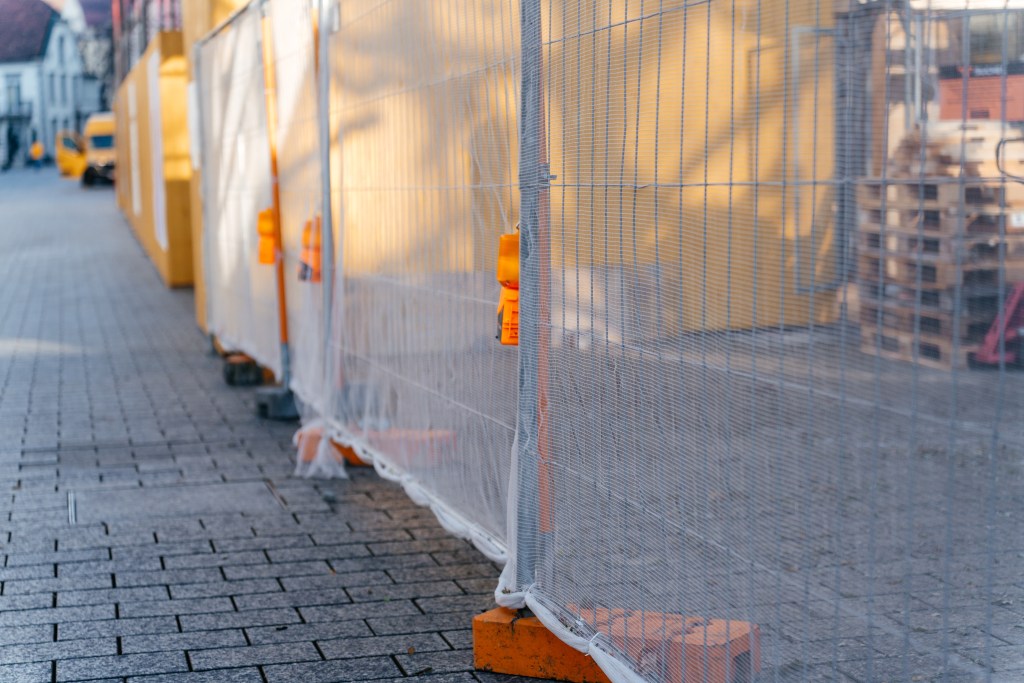
A vacant property is only as secure as the perimeter protecting it. While the decision to install temporary fencing may seem straightforward, not every material, height, or configuration provides the same protection against trespassing, illegal dumping, vandalism, or unauthorized access. The most effective solutions are designed with a specific purpose in mind, whether that means controlling entry points, improving visibility, or signaling that a site is actively monitored and maintained.
These principles extend beyond vacant properties to construction sites, restricted areas, and outdoor events, where temporary fencing helps manage access, support crowd control, enhance safety, and protect both people and assets. Rather than simply creating a physical boundary, the right temporary fencing setup helps reduce risk, support compliance, safeguard property, and provide greater peace of mind for owners, contractors, and site managers alike.
Temporary Fencing Solutions for Vacant Property and Construction Sites
Before selecting a temporary fencing solution, property owners should first evaluate the specific risks and access challenges associated with the site. A vacant lot, boarded-up commercial building, construction site, municipal project, or property between renovation phases can each create different security concerns, visibility issues, and liability exposures. Open lots often require broader perimeter fencing to deter dumping, vehicle intrusion, and other forms of unauthorized activity, while vacant buildings may need stronger measures to control access around doors, loading zones, and vulnerable entry points.
Temporary fencing installation typically begins with a consultation and site assessment to determine the best layout, type of fence, gate locations, and support system for the project. Site preparation involves clearing debris, removing obstructions, and ensuring the ground is sufficiently level to prevent instability. Where the terrain cannot be levelled, the fencing configuration and anchoring method should be adapted to the site conditions.
Sites undergoing active work or public infrastructure improvements frequently benefit from flexible barrier systems that protect workers, guide traffic, and keep unwanted visitors away from restricted areas. Before choosing a configuration, owners should also check local zoning, building, and property-maintenance requirements. Municipal regulations may establish rules for fence height, materials, placement, setbacks, visibility near roads, permits, and installation duration. Confirming these requirements in advance can help avoid fines, removal orders, or delays.
Comparing Temporary Fence Panels: Chain Link and Welded Fence Panels
Temporary chain link fence panels are among the most practical and cost-effective temporary fence panels for securing vacant properties, construction sites, and restricted areas. Commonly made from galvanized steel, they can be installed quickly, reconfigured easily, and adapted to different site conditions. Their flexibility makes them useful for short-term projects where permanent fencing may not be necessary. Whether protecting a vacant home, undeveloped lot, or small commercial property, these panels create a clear visual boundary that helps prevent access by unauthorized individuals while reinforcing the appearance of an actively managed and secure site. Their flexibility makes them ideal for short-term projects where permanent fencing may not be necessary, offering both affordability and convenience.
Welded wire fence panels are generally stronger and more rigid than standard chain link fence panels. Their smaller openings can also make them more difficult to climb, bend, or cut, making welded mesh worth considering where preventing unauthorized access requires a stronger physical deterrent.
In addition to improving security, properly configured chain link fencing enhances safety by defining controlled entry points and reducing exposure to potential hazards. However, achieving the best results requires thoughtful placement and layout. A well-planned fencing configuration that accounts for access routes, visibility, and site vulnerabilities can turn a simple temporary barrier into an effective perimeter security solution.
Panel Stands, Feet, and Anchoring Matter More Than Most Owners Think

The effectiveness of panel fencing depends on more than the temporary fence panels themselves. The support system, including panel stands, feet, stabilizers, and anchoring methods, plays a critical role in keeping barriers secure, functional, and safe in a wide range of environments. Whether used for a vacant property, construction project, restricted area, or outdoor event, a fence that is not properly supported can shift, lean, or topple during high winds or heavy use, creating unnecessary safety and liability risks.
Freestanding panels may be appropriate on pavement or where the ground cannot be disturbed, but they require properly sized feet, braces, weights, or anchors. On suitable soft-ground sites, panel fencing secured with driven posts can provide greater stability because the supports extend into the soil instead of relying entirely on surface-mounted feet. A driven-in chain link fence may therefore be preferable for longer installations or locations with greater security and wind exposure.
In some applications, stabilizers and properly anchored fencing can also support added privacy by helping privacy screens and mesh panels remain secure and effective. Property owners, contractors, and event organizers should view anchoring and stabilization as essential components of the overall fencing configuration rather than optional upgrades.
By selecting the right base system for the site’s conditions, they can ensure their temporary fencing remains professional, reliable, and capable of maintaining a secure perimeter throughout the duration of the project, event, or vacancy period.
Anti-Climb and Height Choices Should Match the Exposure
The height and design of a temporary fence should be tailored to the level of risk and exposure a property faces. For vacant properties in low-traffic areas, a standard perimeter fence may be sufficient to discourage casual trespassing, define boundaries, and support basic site security. However, properties located near public walkways, busy streets, or areas with a history of unauthorized activity often benefit from taller anti-climb fencing and panels with small mesh apertures that make it more difficult to gain a foothold, as well as clearly visible signage that reinforces restricted access.
Temporary perimeter fencing is often approximately six to eight feet high, but the appropriate and permitted height depends on the site, local regulations, sightline requirements, and level of exposure. For high-security areas, 8-foot tall panels may be preferred because they create a significant physical deterrent. Their use should still depend on local regulations, wind exposure, ground conditions, and the ability to anchor the fence safely.
These features help reduce footholds, make intrusion more difficult, and support efforts to prevent unauthorized removal of fencing components or entry into the site. Across the fencing industry, experienced installation teams often recommend matching fence height and anti-climb features to the property’s specific risks rather than relying on a standard layout. Whether owners choose to purchase or rent temporary fencing, the right configuration can create a stronger deterrent, improve site security, and help protect vacant buildings and lots from unwanted activity, especially after hours or in less visible locations.
Gates and Temporary Fence Panels Strengthen Access Control
A temporary fence is most effective when it includes well-planned access points that balance security with functionality. Whether protecting a vacant property, supporting a short-term project, or securing an outdoor event, the fencing layout should be designed around the site’s specific needs from the start. Without a designated gate, property owners, contractors, inspectors, and maintenance crews may be tempted to move panels, create gaps, or use unofficial entry routes that weaken the perimeter.
Where space permits, maintaining a clear zone of approximately five feet around the fence can make inspections easier and reduce vegetation, materials, equipment, or debris that could conceal intruders or provide climbing assistance. The appropriate clearance will depend on property boundaries, public walkways, and local requirements.
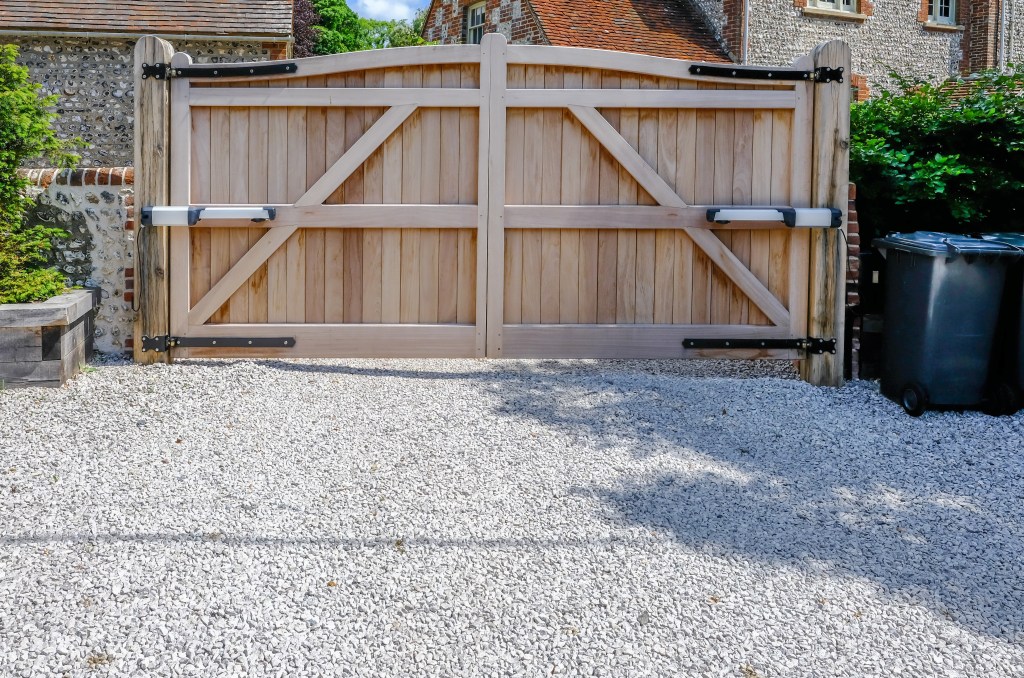
Strategically placed gates strengthen access control, direct traffic flow, and ensure authorized personnel can enter and exit without moving temporary fence panels or creating unofficial openings. Lockable access points also make it easier to monitor activity and maintain accountability. When fencing is properly aligned and installed with controlled openings built into the layout, temporary fencing offers a more effective perimeter that deters unauthorized access while supporting the practical requirements of managing the property.
Temporary Privacy Fencing For Vacant Properties and Construction Sites
Temporary privacy fencing can conceal vacant buildings, stored materials, equipment, and work zones from public view, helping reduce unwanted attention and opportunistic trespassing. Options range from mesh screening attached to fence panels to solid steel hoarding panels. Steel hoarding panels provide total visual privacy and are challenging to climb or see through, making them useful where equipment, materials, or damaged structures must be fully concealed. Because solid temporary privacy fencing is exposed to greater wind loads, it may require heavier ballast, bracing, driven posts, or another suitable anchoring system.
However, complete screening is not always the best solution. In some cases, maintaining clear sightlines allows neighbors, security personnel, site workers, and passing traffic to more easily identify suspicious activity and provide additional support through natural surveillance. Property owners and site managers should carefully evaluate whether privacy or visibility offers the stronger deterrent for their specific situation. The most effective fencing systems often strike a balance between limiting visual access and preserving enough visibility for monitoring, emergency contact, and overall site security awareness.
Types Of Temporary Fencing for Different Sites and Risks
Common types of temporary fencing include construction fencing, privacy fencing, security fencing, safety fencing, pool fencing, and erosion-control fencing. Each serves a different purpose, so owners should choose according to the site’s actual hazards, security needs, surface conditions, and applicable regulations rather than treating every temporary barrier as interchangeable.
Chain link and welded mesh panels can secure vacant buildings and job sites, while temporary privacy fencing limits views of equipment or damaged structures. Brightly coloured, lightweight safety fencing can mark hazardous areas or guide people during outdoor events, but it should not be treated as a high-security barrier. Pool fencing must meet specific local safety requirements, while erosion fencing uses geotextile fabric or mesh to manage sediment and disturbed soil rather than prevent deliberate intrusion.
Small Homes and Residential Vacancies Benefit from Tight, Targeted Layouts
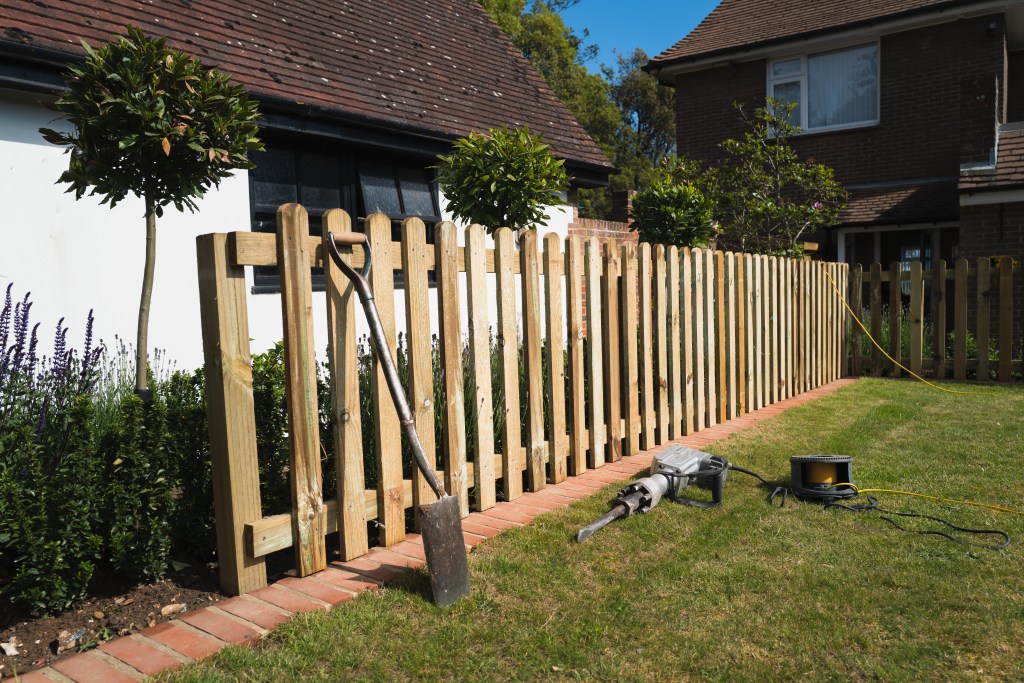
Small residential vacancies often benefit more from targeted fencing strategies than from surrounding the entire property with a large perimeter. In many cases, the greatest risks are concentrated around rear yards, side pathways, basement entrances, detached garages, or active renovation zones where unauthorized access is most likely to occur. By focusing temporary fencing on these vulnerable areas, property owners can improve security and prevent unauthorized access while maintaining visibility from the street for inspections, neighborhood oversight, and routine property checks.
This approach is especially effective during shorter rental periods or property transitions when flexible security solutions are needed. Similar targeted layouts are often used at large events and in high-traffic areas, where controlling specific access points is more practical than fully enclosing a site. Effective fencing for vacant homes is not about creating a fortress. It is about securing the most accessible entry routes while preserving a professional appearance, encouraging natural surveillance, and maintaining an observable streetscape.
Commercial Sites and Public Gatherings Require Separation, Flow, and Liability Awareness
Vacant commercial properties often require a more strategic fencing approach because of their larger footprints, multiple access points, and increased liability concerns. Unlike residential vacancies, commercial sites may include loading docks, parking areas, pedestrian walkways, or neighboring occupied spaces that need to remain accessible while clearly separated. Temporary fencing helps manage these complex environments by directing foot traffic, supporting crowd control where people gather, securing rear service areas, and creating boundaries around sensitive locations.
Brightly coloured temporary safety fencing may be useful for identifying excavation zones, damaged surfaces, or other hazards, but it generally does not provide the strength required for perimeter security. Where both functions are needed, a visible safety barrier should supplement rather than replace a more secure fence system.
It can also be used to isolate hazardous areas, including exposed equipment, damaged structures, excavation zones, and active workspaces. A well-designed barrier layout not only helps prevent trespassing and unauthorized access but also reduces confusion and the risk of accidents for visitors, contractors, employees, and neighboring tenants. For commercial property owners, effective perimeter planning is as much about managing liability, maintaining safe traffic flow, and protecting hazardous areas as it is about securing the site itself.
Wind, Weather, and Site Conditions Can Defeat a Good Plan If Ignored
Even the most carefully planned temporary fencing layout can fail if high winds, terrain, drainage, soil conditions, and seasonal weather are not considered before installation. Factors such as strong winds, uneven terrain, poor drainage, muddy ground, and seasonal weather can all affect the stability and effectiveness of a fence system. Whether securing vacant properties or active construction zones, fencing that performs well on a flat, paved surface may shift, lean, or become compromised when installed on sloped or unstable ground.
Snow accumulation, standing water, and sustained wind exposure can create additional challenges, particularly when privacy mesh or solid hoarding increases the surface area exposed to wind. Property owners and project managers should select stabilizers, ballast, braces, driven posts, or other anchoring systems suited to the surface and expected conditions. The installer should align the panels properly, secure every connection, and verify that gates operate without weakening the surrounding fence.
Temporary Fencing Rentals Provide Flexible, Cost-Effective Solutions
Temporary fencing rentals provide a practical solution for owners who need to secure a property for a limited period without purchasing permanent equipment. Temporary fencing is generally more affordable than permanent fencing and allows owners to rent temporary fence panels, gates, feet, braces, privacy screens, and other components suited to the site.
Rental providers may also handle delivery, installation, maintenance, removal, and component storage. As a result, temporary fencing rentals can reduce the need for owners to store or maintain fence panels when they are not in use. These temporary solutions can also be expanded, reduced, or reconfigured as the property’s access, construction, or security requirements change.
When comparing temporary fencing rentals, owners should consider installation costs, rental duration, inspection services, repairs, emergency support, removal, and responsibility for damaged equipment—not simply the initial price.
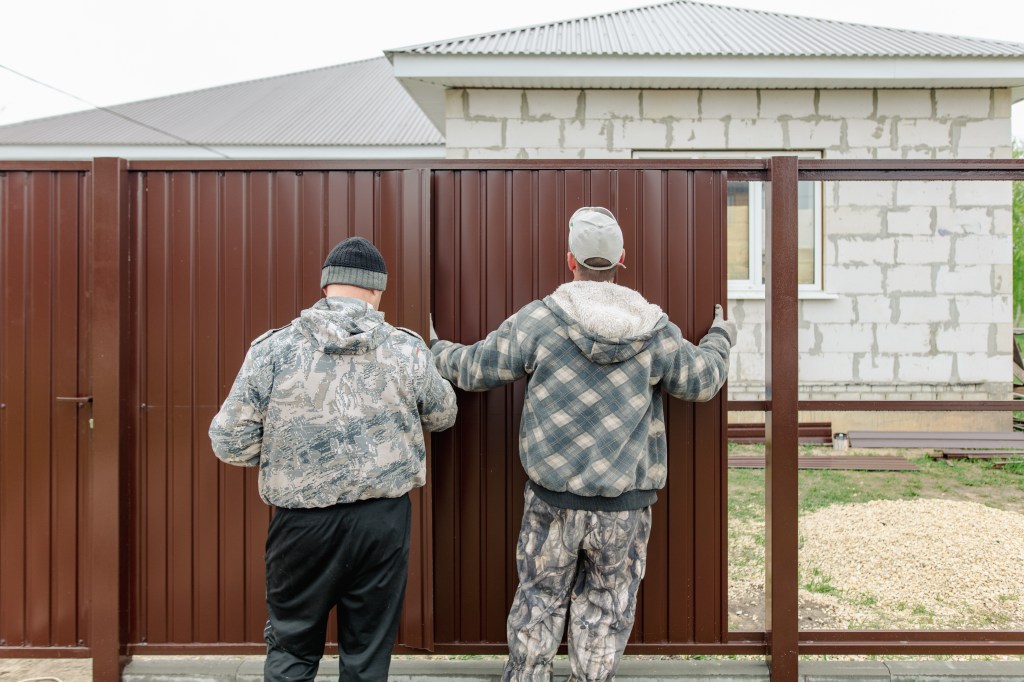
The most effective temporary fencing plans remain visible, stable, and easy to inspect throughout the installation period. Temporary fencing offers meaningful protection only when its panels, connections, gates, supports, and anchoring systems remain secure. A strong fencing configuration should clearly define property boundaries, stay securely in place under normal site conditions, and allow owners or site managers to quickly identify signs of damage, movement, or unauthorized tampering. This is especially important in parking lots, vacant properties, and other areas where additional security measures are needed to protect assets and control access.
Walkable perimeters, unobstructed sightlines, and consistent panel placement make inspections faster and more reliable while supporting overall safety and site management efforts. Proper planning is also critical in locations exposed to windy conditions, where fence stability and anchoring systems must be carefully considered. When a fence system is easy to monitor and maintain, it becomes more than a temporary rental item. It serves as a valuable layer of risk management that helps protect properties from security, safety, and liability concerns.
Inspections should look for shifted panels, loosened clamps, damaged mesh, disturbed ballast, new gaps, signs of climbing, and unauthorized changes to gates or access points. Vegetation, debris, snow, and stored materials should also be cleared when they interfere with visibility or stability.
Once the vacancy, construction work, or rental period ends, the fencing should be removed promptly and the site left clean and orderly. Rental providers or installers should account for all panels, feet, braces, anchors, gates, and signs, repair any installation-related surface damage where required, and remove materials that could create a new hazard.
Sources:
https://strategicfence.com/the-essential-guide-to-temporary-fencing-uses-benefits-everything-you-need-to-know/
https://www.yards-denver.com/secureaproperty
https://www.unitedrentals.com/marketplace/equipment/temporary-fence-traffic-control/fences
https://www.nwiron.com/a-brief-guide-to-common-types-of-temporary-fencing/
https://www.topan.co.uk/news-and-insights/temporary-fencing-solutions-for-construction/
https://www.allsiterentals.com/blog/cheap-temporary-fencing-ideas/
https://www.readyfence.com.au/what-is-temporary-fencing-why-when-required/