
Understanding the Vacant Clause Explained: What Homeowners Should Know
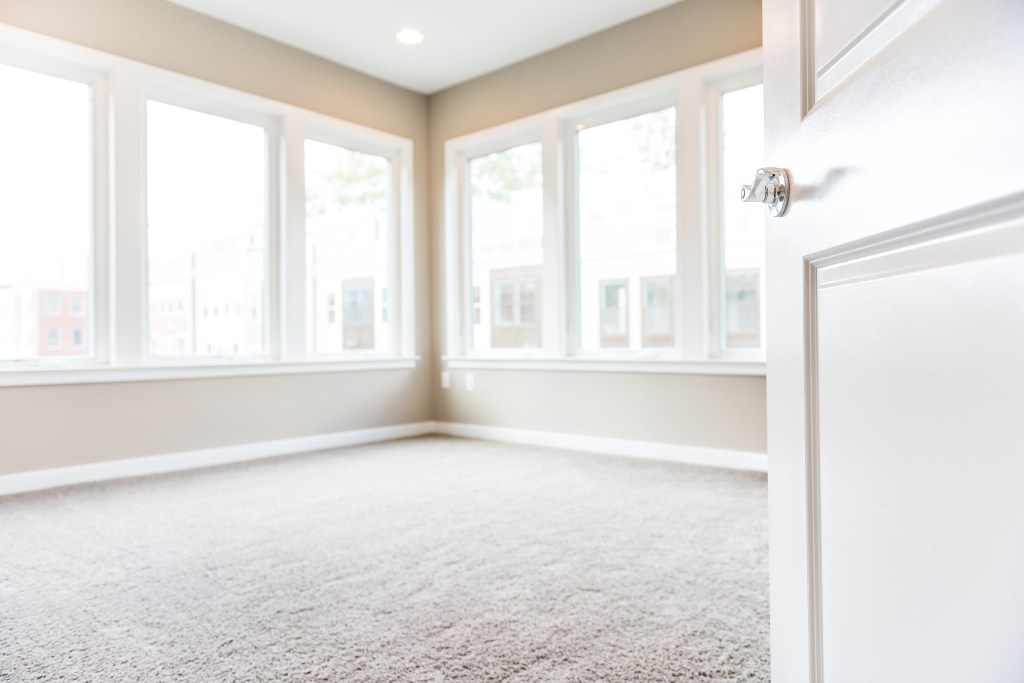
Most property owners assume their insurance coverage will respond the same way whether a home is occupied or sitting empty. In reality, that assumption can become a costly mistake. A vacant clause explained in simple terms is a provision found in many homeowners insurance policies that can significantly change or restrict coverage once a property has been empty for a specified period. Depending on the policy’s definition, the home may be deemed vacant even if the owner still visits occasionally or continues maintaining the property.
Understanding the vacancy clause in home insurance is critical because an insurance company often considers vacant properties to be at higher risk for vandalism, theft, water damage, and unnoticed maintenance problems. As a result, vacancy can substantially affect insurance claims. A loss that might be fully covered in an occupied home could face coverage restrictions, a reduced payout, or even denial if the policy excludes coverage after the home has been deemed vacant. Property owners should review their vacant home insurance policy carefully and speak with their insurance agent about any planned vacancy. For anyone who owns an empty property, knowing how the clause works can make the difference between a smooth claims process and a frustrating coverage battle after a loss.
Vacant Home Versus Unoccupied: The Distinction That Changes Everything
One of the most common misunderstandings among property owners is assuming that a vacant home and an unoccupied home are the same thing. While the terms may sound interchangeable, insurers often draw a clear distinction between the two, and that difference can have a major impact on coverage. Understanding vacant vs unoccupied home insurance is essential because insurance providers assess risk differently based on how a property is being used and maintained.
An insurance vacancy clause should not be confused with a vacant possession clause in a real estate sales contract. In a property sale, vacant possession generally requires the seller to remove occupants and personal belongings so the buyer can take possession at closing. If a property is sold without vacant possession, the buyer may instead inherit existing tenants and be required to honour their leases. Vacancy clauses can therefore serve very different purposes in insurance policies, residential sales contracts, commercial leases, and other property agreements.
An unoccupied property is typically one that is temporarily empty but still contains personal belongings, remains maintained, and is intended for someone to return and live there. In some situations, a property manager may oversee the home during a temporary absence, helping to reduce risk and maintain compliance with insurance requirements. A vacant property, by contrast, generally has no occupants, few or no contents, and little evidence of active residential use. Because vacant homes face a greater risk of theft, vandalism, and undetected damage, insurers may limit coverage or impose stricter exclusions under specific vacant home insurance rules.
In some cases, these restrictions can also affect liability claims and related legal costs if an incident occurs on the property. Understanding where your property falls on the vacancy spectrum is crucial, as an incorrect classification could result in unexpected claim complications or reduced insurance protection.
The 30-To-60-Day Window Is Where Problems Usually Begin in a Vacant House
Many property owners assume their insurance coverage remains unchanged when a home is left empty, but problems often begin once the vacancy period reaches 30 or 60 consecutive days. The exact timeline varies by insurer and policy, so owners should not assume that every company uses the same threshold. Once that limit is reached, the property may be deemed vacant and the policy may restrict or exclude coverage for losses such as vandalism, theft, water intrusion, and certain types of fire or smoke damage.

Because a vacant property is considered a greater risk exposure than an occupied one, insurers may also place restrictions on liability coverage or require owners to meet specific empty house insurance requirements to maintain protection. Whether the home is vacant due to probate, renovations, tenant turnover, or a delayed sale, the longer it remains empty, the greater the chance that a future claim may not be covered as expected.
How A Vacancy Clause Changes or Excludes Coverage for a Claim
The vacancy clause can have a major impact on how an insurer handles a claim once a property has been empty for an extended period. Under many insurance policies, coverage for losses caused by vandalism, malicious mischief, theft, and other specified risks may be reduced or excluded altogether. Claims involving frozen or leaking pipes may also be denied if the homeowner failed to maintain heat, shut off the water, or properly winterize the property.
These exclusions can leave owners facing significant out-of-pocket expenses, especially if they are relying on a standard policy instead of a specialized vacant home policy. As a result, two identical losses may receive very different claim outcomes depending on whether the property was occupied, unoccupied, or officially vacant when the damage occurred, contributing to more denied claims on vacant homes than many property owners realize.
Vandalism, Theft, and Water Damage Are Where Owners Feel It First
The risks of a vacant property often become most apparent when losses involve vandalism, theft, leaking pipes, fire damage, smoke damage, or water intrusion that goes unnoticed for days or even weeks. For example, a slow plumbing leak that might be discovered quickly in an occupied home can spread through walls, floors, and ceilings before anyone notices it in an empty property. Insurers view these incidents as more likely, and often more expensive, when no one is regularly checking on the home.
As a result, many policies include a vandalism exclusion for vacant property or impose restrictions on certain types of claims once a home is classified as vacant. Coverage for water damage caused by leaking plumbing, unattended maintenance issues, or smoke damage following a fire may also be limited depending on the vacant home insurance policy, the cause of the loss, and the length of the vacancy.
These restrictions are a common reason for denied claims on vacant homes and can create challenges for owners trying to sell an empty property while keeping it protected. Ultimately, the vacancy clause reflects the insurer’s effort to account for the added risk associated with an unattended home.

Property Insurance and Freezing Losses: The Overlooked Risk Vacant Homeowners Face
Many property owners understand vandalism and theft restrictions but overlook how vacancy can affect freezing-related claims. Whether a home is officially vacant or simply unoccupied, insurers often expect owners to maintain adequate heat or properly shut down and drain the plumbing system during colder months. If those precautions are not taken, the policy may exclude coverage for freezing and the resulting water damage. Claim outcomes will depend on the wording of the policy, the precautions the owner took, and the specific circumstances of the loss.
Because frozen pipes can lead to extensive and expensive water damage, winterizing an empty property is a key part of vacant home risk management. Homeowners should also contact their insurer or agent before leaving a property empty for an extended period to better understand coverage requirements and ensure they remain compliant with empty house insurance conditions.
Vacant Property Insurance Liability Does Not Disappear Just Because Nobody Lives There
Many owners view vacancy as strictly a property-damage concern, but liability risk on vacant property can remain, and often increase, while a home sits empty. If a contractor, delivery driver, realtor, visitor, or even a trespassing child is injured on the property, the owner could still face a liability claim. Vacant homes are typically harder to supervise, which can allow hazards such as damaged walkways, unsecured structures, or unsafe conditions to go unnoticed.
Maintaining good security, performing necessary repairs, and conducting routine inspections are important steps in reducing these risks. While vacant property insurance coverage may help protect against certain exposures, owners should not assume that an empty home is free from legal responsibility. By following steps to secure and maintain the property, homeowners can strengthen their vacant home risk management strategy and reduce both physical and liability-related risks.

Why Telling the Insurer Early Usually Helps More Than It Hurts
Many property owners hesitate when it comes to notifying an insurer of vacancy, fearing higher premiums or stricter policy terms that could cost them more money. However, waiting too long can create a much bigger problem if a claim is later denied because the property no longer met policy conditions or fell under a vacancy exclusion.
Early disclosure gives the insurance company an opportunity to determine the most appropriate coverage for the situation, whether that involves a vacancy endorsement, specialized vacant-property coverage, or other solutions designed for the owner’s specific circumstance.
This is especially important for individuals who own vacant homes as part of a real estate investment or business strategy. Insurers can also provide valuable assistance and guidance on maintaining eligibility for future claims. In many cases, being proactive is the best way to protect coverage during vacancy and improve the chances that the insurer will pay a covered claim when a loss occurs.
What Can Vacant Home Insurance Cover When a Standard Policy Falls Short?
When a home will be vacant for an extended period, relying on a standard homeowners policy is often not the safest approach. A vacancy endorsement or specialized vacant home insurance policy may help address coverage gaps that arise once vacancy restrictions take effect. Depending on the policy selected, vacant home insurance may cover specified risks such as fire, smoke damage, vandalism, theft, liability, and certain forms of water damage.
Coverage varies significantly between insurers. One vacant home insurance policy may offer broader protection than another, while still excluding losses connected to poor maintenance, unresolved defects, water intrusion, or a failure to meet inspection and winterization requirements. Owners should confirm exactly what their vacant home insurance covers rather than assuming it provides the same protection as a standard homeowners policy.
Rather than viewing them as costly extras, owners should see them as practical tools for maintaining continuous vacant property insurance coverage and protecting their financial interests while the home is empty. By securing the right coverage before a vacancy becomes prolonged, homeowners can reduce claim risks and avoid unexpected coverage limitations if a loss occurs.

How to Protect a Future Claim with the Right Vacant Home Insurance Coverage
Protecting a future insurance claim starts long before any damage occurs. Owners of vacant properties can reduce risk by keeping their insurer informed about the home’s status, maintaining reasonable heat during winter or properly winterizing plumbing systems, securing doors and windows, using remote monitoring devices, and arranging regular property inspections. These proactive measures are an important part of vacant home risk management and can help satisfy empty house insurance requirements that may be outlined in an insurance contract.
Owners should pay particular attention when a property is vacant during renovation or construction. Removed fixtures, disconnected utilities, open walls, contractor access, and incomplete plumbing or electrical work can create risks that are different from those of a finished vacant home. Depending on the scope of the project, the owner may need specialized vacant property or course-of-construction coverage rather than a standard homeowners policy.
For landlords, homeowners, and other property owners, working with trusted service providers to conduct inspections, maintenance, and monitoring can further reduce exposure to costly losses. While these steps do not eliminate the vacancy clause, they help support protecting coverage during vacancy by demonstrating that the owner took reasonable care to maintain and monitor the property, which can strengthen a claim if a loss occurs.
Specialized vacant home insurance is usually more expensive than standard homeowners insurance because an empty property presents a greater risk of delayed damage, vandalism, theft, and liability incidents. Some industry estimates suggest premiums may be approximately 25% to 50% higher, although the actual cost depends on the property, location, vacancy period, condition, security measures, and coverage selected.
Vacant Clause Explained: Read It Before the House Sits Empty

A vacant clause explained properly can save homeowners from costly surprises long before a claim arises. The best time to understand the vacancy clause in home insurance is before a property becomes vacant, not after water damage, vandalism, or theft has already occurred. Whether a home is being renovated, undergoing construction, held off the market, left empty between tenants, or awaiting a sale, reviewing the policy terms in advance is essential.
Homeowners who understand how their policy defines vacancy, when the vacancy clock begins, which events it excludes from coverage, and what endorsements are available are in a much better position to insure the property properly. By reviewing the vacant home insurance policy early, notifying the insurer, and following all inspection, maintenance, heating, and security requirements, owners can protect their investment and prevent a manageable vacancy from turning into an uninsured loss.
Sources:
https://www.fronteraclaims.com/field-guide/vacancy-clause
https://www.kilgourbell.com/blog/understanding-vacancy-clauses-in-home-insurance
https://insuranceindustryblog.iii.org/when-no-ones-home-understanding-roleof-vacancy-insurance/
https://www.hubinternational.com/en-CA/blog/2020/04/vacant-vs-unoccupied-property/
https://portsmouthatlanticins.com/2026/03/09/is-vacant-home-insurance-worth-it/
https://www.icnj.com/blog/the-homeowners-insurance-vacancy-clause-and-unoccupancy-clause-what-you-need-to-know/