
Essential Guide to Using Vacant Land for Events Safely and Responsibly
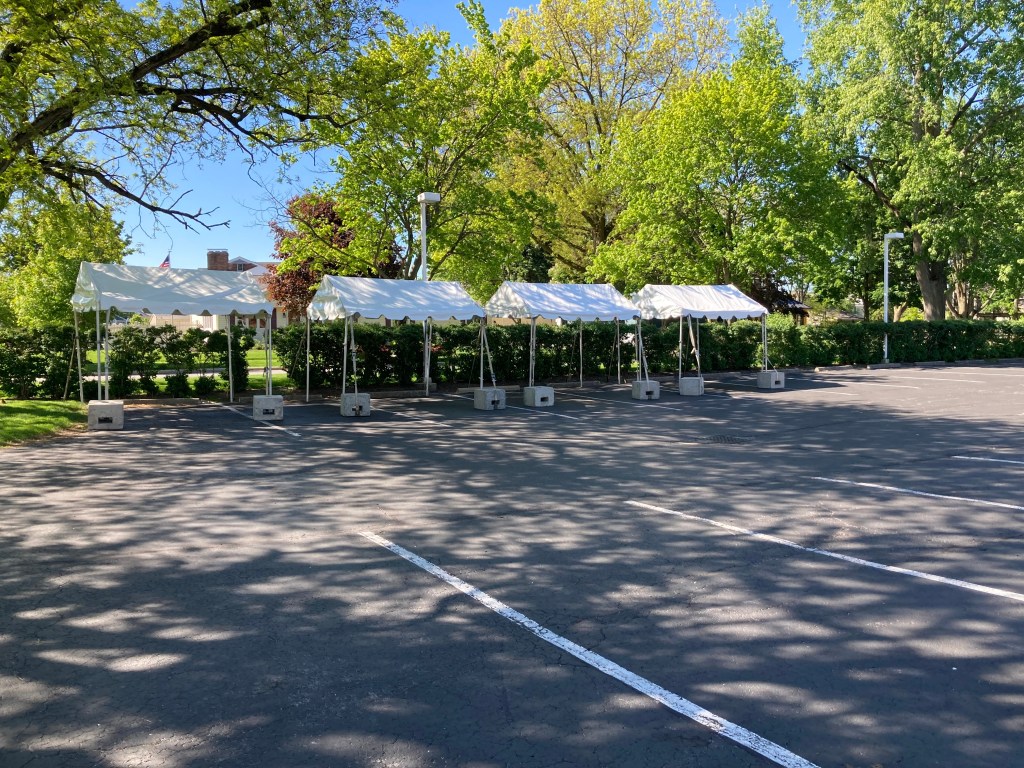
When people think of vacant land for events, they often picture a low-risk property sitting quietly unused. However, that risk profile can change in an instant when the land is put to the temporary use of vacant land for activities such as pop-up markets, fundraisers, food truck rallies, festivals, or overflow parking operations. The moment guests, vendors, vehicles, or temporary structures enter the property, the potential for accidents, injuries, and property damage increases significantly.
A simple trip-and-fall, vehicle collision, or vendor-related incident can quickly lead to costly liability claims, including legal defense expenses, medical payments, judgments, and settlement costs. That is why owners and organizers need enough liability insurance for both the land itself and the temporary activities taking place on it. An experienced insurance agent can evaluate the property’s use, hazards, expected attendance, and existing policies before recommending appropriate coverage limits.
How General Liability Land Insurance Protects Property Owners
Vacant land liability insurance generally addresses claims alleging that a landowner is responsible for bodily injury or property damage arising from conditions on the parcel. Depending on the policy, general liability coverage may help pay for legal defense, medical payments, judgments, and settlement costs when an invited or uninvited guest is injured on the property.
Understanding what land insurance protects is important because coverage usually focuses on third-party liability rather than damage to the landowner’s physical property. Fences, gates, sheds, signs, utility equipment, and other improvements may require separate property coverage or specific policy treatment. The policy should therefore be reviewed carefully before assuming every structure or activity is protected.
Vacant Land Insurance Coverage Is Not the Same as Event Coverage
A common misconception is that one vacant land insurance policy automatically addresses every activity and structure on the property. Basic land coverage may be designed for a largely inactive parcel, while events, paid parking, vendors, hunting sheds, construction activity, or recurring commercial use can introduce unforeseen land liabilities outside the expected risk profile.
These activities introduce larger crowds, moving vehicles, vendors, and temporary structures, all of which can increase the likelihood of accidents and liability claims. For owners using vacant parcels for community gatherings or commercial activities, relying solely on basic land coverage may leave important protection gaps. A serious incident can result in substantial legal fees, unexpected damages, and other costs arising from unforeseen circumstances, potentially impacting both the property owner and event organizer. Temporary structures, generators, cooking equipment, tents, vehicles, and electrical systems can also malfunction, collapse, or catch fire, creating their own liability issues for the landowner and event organizer.
In addition, expenses related to event operations, site preparation, and even lost rent costs or revenue opportunities can add to the financial burden following a claim. Understanding the potential liability insurance cost associated with these exposures is an important part of risk planning. That’s why event insurance for vacant land is often a critical component of temporary event risk management, helping ensure that landowners and organizers are better protected against unexpected incidents, costly claims, and financial setbacks.
Liability Insurance Cost: How Much Coverage Does Vacant Land Need?
The cost of vacant land insurance can vary based on factors such as the parcel’s size, location, intended use, coverage limits, claims history, accessibility, and physical characteristics, including bodies of water, steep terrain, fencing, or existing improvements. Risks associated with event use, commercial activities, parking operations, temporary structures, or environmental concerns can also influence the type and amount of coverage needed.
Coverage options may provide a range of liability protections depending on the property’s risk profile and intended use. Determining the appropriate level of coverage requires evaluating factors such as expected attendance, frequency of use, site hazards, contractual obligations, potential legal defense and settlement expenses, and the owner’s overall financial exposure. Taking the time to assess these considerations can help ensure that the policy aligns with the property’s actual risks and intended activities.
Land Inspected, Risk Changed: How Parking Creates New Liability Concerns
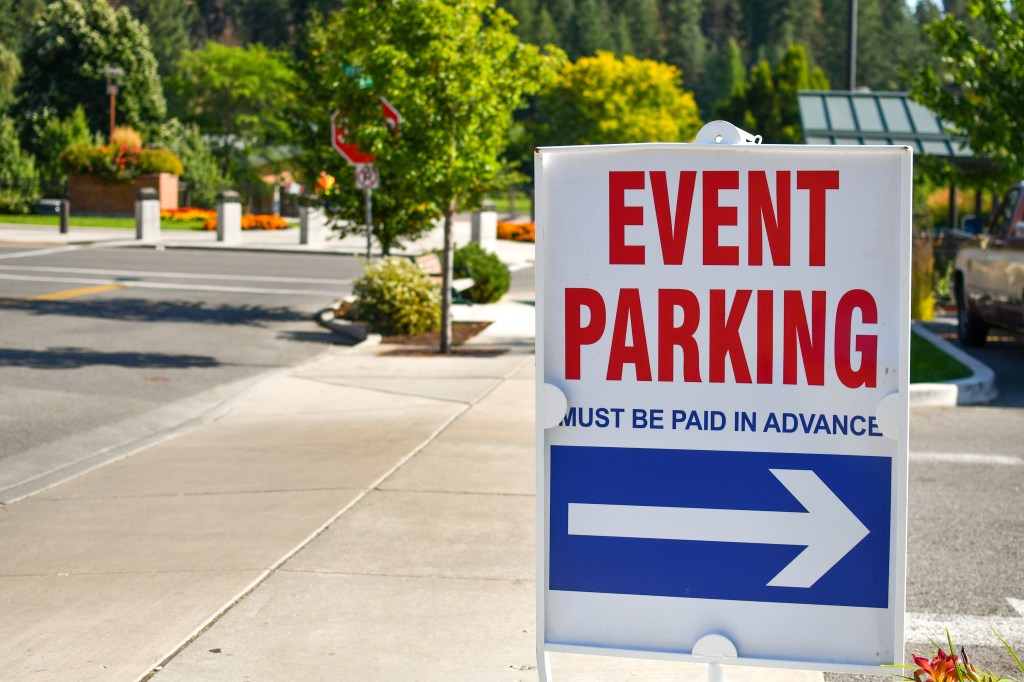
Using vacant land as a parking area may seem like a straightforward solution, but the presence of vehicles introduces an entirely new layer of liability exposure. Even when the property itself remains unchanged, risks can arise from uneven terrain, inadequate lighting, poor signage, unclear traffic patterns, soft ground conditions, and pedestrians moving between parked cars. These accident risks on vacant land can lead to bodily injury, vehicle damage, or disputes that may ultimately involve the property owner in a claim. In addition, operations involving parking attendant and vehicle liability can create further exposure if attendants direct traffic, move vehicles, or are alleged to have contributed to an accident.
Whether the site is being used for event overflow parking, seasonal demand, or a temporary commercial purpose, having appropriate parking lot liability coverage and general liability insurance is essential. If an incident occurs, property owners may face significant expenses related to legal defense, settlements, or out-of-court payments, even before a lawsuit reaches trial. Combined with sound safety practices and risk planning, the right insurance coverage can help protect property owners from the financial impact of unexpected incidents, liability claims, and costly legal proceedings.
Why Pop-Ups and Markets Demand Careful Attention to Coverage Limits
While pop-up shops, food vendors, and community markets can transform unused property into a vibrant destination, they also create a complex web of liability exposures that extend far beyond ordinary foot traffic. A vacant lot hosting temporary events may include generators, extension cords, tents, cooking equipment, signage, and merchandise displays, each presenting potential safety hazards for visitors and vendors alike. As attendance grows, so does the risk of trips, falls, burns, equipment-related accidents, and property damage claims.
Effective crowd safety on undeveloped land becomes especially important when managing pedestrian flow, temporary structures, and changing site conditions. Without proper planning, vendor oversight, and pop-up event insurance, a landowner’s exposure can expand quickly if an incident occurs. In addition, special event liability on private property may arise when event organizers, vendors, or attendees allege that unsafe conditions contributed to an injury or loss.
Vacant land can be an increasingly appealing investment, especially when owners see opportunities for parking, events, pop-ups, agriculture, or future development. However, standard homeowners insurance may not provide adequate protection once the parcel is used for recurring events or commercial activities. A home construction insurance policy, auto insurance policy, or another policy connected to the owner should not be assumed to cover the land or its event operations unless that coverage is expressly confirmed. If vehicles are present, auto insurance may respond to certain vehicle-related losses, but it does not replace the landowner’s premises liability or the organizer’s event coverage. Each policy addresses different parties, property, and causes of loss.
An insurance company may also consider factors such as event activities, attendance levels, and property valuation when assessing risk and determining appropriate coverage. By implementing strong risk controls and securing the right insurance protection, property owners can better safeguard themselves against costly claims while supporting safe and successful community events.
Free Events Still Require General Liability and Other Insurance Considerations
Many property owners assume that allowing a charity event, community gathering, or local fundraiser to use their land at no cost significantly reduces their liability risk. However, free admission does not automatically mean low exposure. Liability often depends on factors such as the property’s condition, the nature of the event, applicable zoning laws, and whether the activity extends beyond the ordinary passive use of undeveloped land. A “no charge” event can still result in serious injury claims if attendees encounter unsafe conditions, inadequate supervision, poor crowd control, or other preventable hazards.
Children can present a particular liability concern because they may not recognize the danger posed by ponds, drainage areas, abandoned equipment, tree houses, hunting sheds, excavations, or other artificial or natural structures. These features may be considered attractive nuisances when they draw children onto the property despite the associated danger. Owners should identify, secure, remove, or restrict access to these hazards before inviting visitors onto the land.
The risk may involve either an invited or uninvited guest. A landowner can face an allegation of bodily injury even when the injured person entered without permission, although the owner’s legal duty varies by jurisdiction and circumstances. In fact, special event liability on private property may arise regardless of whether organizers collect admission fees. When claims arising from an accident or unsafe condition are filed, property owners may discover that a free event can still cost all the money associated with legal disputes, settlements, or damages if proper protections are not in place.
As soon as a vacant parcel becomes an organized venue for public activities, property owners should consider landowner protection for public gatherings through appropriate insurance and risk management practices. Focusing on claims prevention for vacant land owners by addressing hazards, complying with local regulations, establishing safety protocols, and securing adequate coverage can help reduce the likelihood of costly legal disputes while creating a safer experience for everyone involved.
The Site Itself Still Has To Be Made Event-Ready
Insurance is an important safeguard for any event held on vacant property, but coverage is most effective when the site itself has been properly prepared to accommodate visitors. A vacant lot should be treated like a functional venue, not simply an empty field with people added to it. Hazards such as holes, debris, unstable surfaces, poor drainage, hidden drop-offs, and inadequate perimeter controls can significantly increase accident risks on vacant land and create a unique liability risk for property owners. Protecting crowd safety on undeveloped land starts with identifying and addressing these hazards before guests, vendors, or vehicles arrive.
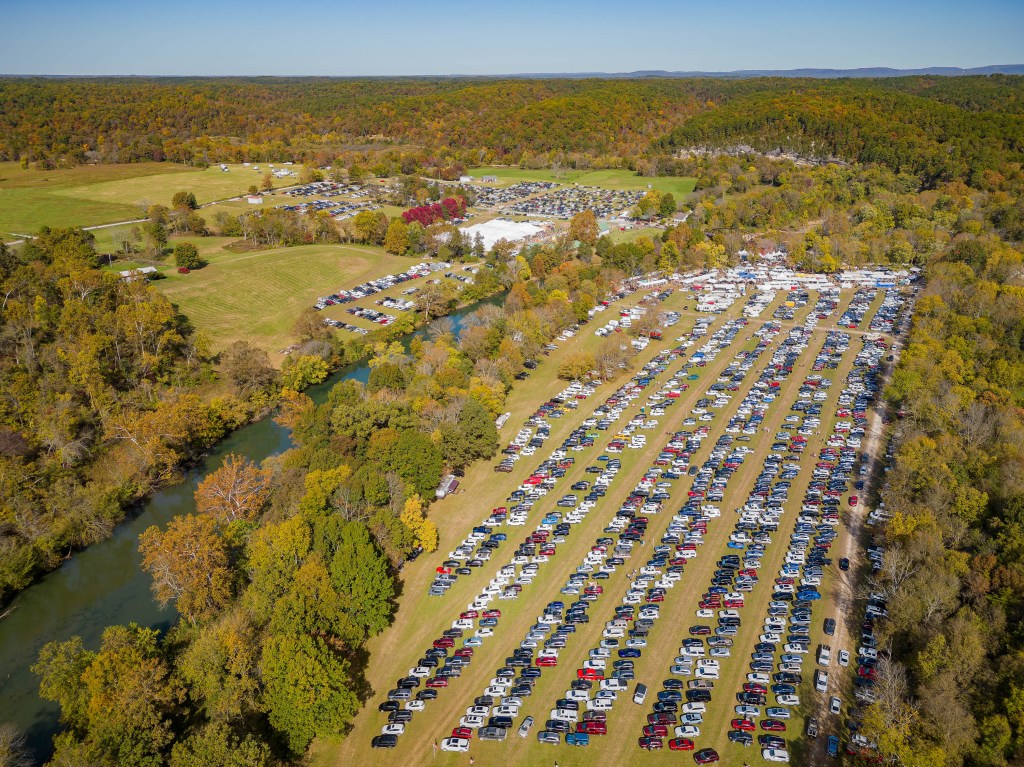
The property should be evaluated for flat areas suitable for tents, stages, vendor booths, and gathering spaces, with particular attention to drainage and flooding. Slopes, uneven terrain, waterways, wooded areas, artificial structures, and natural features can all create hazards for people walking or exploring the site. Event planning should also address access to potable water for hydration and food service, along with the number, location, accessibility, and servicing of portable or permanent restrooms. These requirements commonly depend on anticipated attendance and local health regulations rather than one universal formula.
A thorough site inspection should be a key part of any outdoor venue insurance checklist, helping landowners assess potential exposures and reduce risk before focusing on attendance, ticket sales, parking, or event logistics. This proactive approach is especially important for owners planning future development, as a serious claim could create financial and legal challenges that impact long-term plans for the property. By combining proper site preparation with appropriate insurance coverage, landowners can create a safer environment while strengthening their overall risk management strategy.
Environmental Insurance Can Address Pollution Liabilities
Standard vacant land or event liability coverage may not include pollution liabilities arising from contamination, fuel spills, waste, chemicals, runoff, or previously unknown environmental conditions. Environmental insurance may provide specialized protection when the property causes environmental damage or contamination is discovered, but its terms, exclusions, and triggers must be reviewed carefully.
This can be particularly important when the land hosts food trucks, generators, vehicle parking, agricultural activity, construction, waste storage, or other operations capable of releasing pollutants. Owners should discuss known and potential environmental conditions with an insurance professional rather than assuming general liability covers every contamination-related loss.
Vendor COIs and Additional Insured Status Matter More Than Owners Think
Many landowners focus on securing insurance for their own property, but they often underestimate the importance of requiring coverage from the businesses and contractors participating in an event. When food trucks, rental companies, performers, exhibitors, or market vendors operate on-site, they bring equipment, products, and activities that can create additional exposures and liability related to their operations.
Without proper safeguards, a property owner could be held liable for claims arising from accidents, injuries, or property damage connected to third-party activities. Establishing clear vendor insurance requirements for events helps ensure that each participant carries appropriate coverage for their operations, whether through an endorsement to an existing policy or a stand alone policy designed for the event. Requesting certificates of insurance for vendors provides proof of coverage and allows property owners to verify policy limits and key protections before the event begins.
Additionally, obtaining additional insured for landowners status can extend certain coverage benefits under a vendor’s policy, making it an important consideration when reviewing the entire policy structure for the event. By sharing responsibility among all parties involved, property owners can reduce their exposure to event-related claims and create a stronger overall risk management strategy for events, parking operations, and temporary uses of vacant land.
Liquor, Food, and Specialty Activities Need Their Own Attention
Certain event features require special attention because they introduce unique liability exposures that may not be fully addressed by standard land or event coverage. Alcohol service, temporary food preparation, inflatables, live entertainment, and specialty attractions can all create risks that demand additional planning and insurance considerations. In some cases, certain coverages may be legally required based on the nature of the event, local regulations, or permit conditions. For example, liquor liability for outdoor events may be necessary when alcohol is served, while food vendors can introduce concerns related to foodborne illness, cooking accidents, and equipment hazards.
Before promoting the event, organizers should confirm that the property is zoned for public gatherings or commercial activity. Depending on the jurisdiction and intended use, a conditional use permit, special use permit, temporary use permit, or special event permit may be required. Noise, alcohol, food service, occupancy, fire safety, tents, and amplified sound may also trigger separate approvals or operating restrictions.
Permit thresholds and noise curfews vary widely. A requirement beginning at 20 attendees should not be presented as universal; some jurisdictions use much higher attendance thresholds, while others regulate particular activities regardless of crowd size. For example, official municipal requirements differ substantially by event type and location.
These elements should be viewed as important decision points rather than simple add-ons, as they can significantly alter a property’s risk profile. Whether hosting a festival, fundraiser, or community gathering, securing appropriate event insurance for vacant land and evaluating activity-specific exposures are key components of effective temporary event risk management. The cost depends on factors such as attendance, event duration, activities offered, alcohol service, and the number of vendors involved. By carefully assessing these higher-risk activities and working to obtain the best coverage for the specific event, landowners can better protect themselves against unexpected claims, legal disputes, and costly liability issues.
Parking and Events Both Need a Real Access and Safety Plan
Parking areas and event venues on vacant land require more than open space. They need a clear access and safety plan designed to manage both people and vehicles effectively. A well-organized temporary-use site should include visible entry and exit points, controlled traffic flow, emergency vehicle access, adequate lighting, designated pedestrian pathways, and, when appropriate, surveillance systems to help monitor activity and enhance site security.
Parking capacity should be calculated according to expected attendance, vehicle occupancy, accessible-space requirements, emergency access, surface conditions, and local rules. A planning estimate of one parking space for every 2.5 to four guests may be useful during early calculations, but it should not replace a site-specific layout or municipal requirements. The event budget should account for site preparation, permits, insurance, marketing, security, sanitation, lighting, traffic management, and temporary equipment rentals. These costs can determine whether a proposed short-term use is financially viable before the land is opened to the public.
These measures not only improve crowd safety on undeveloped land but also help reduce the potential for accidents, theft, vandalism, and confusion. Site conditions can vary significantly based on the property’s geographic region, with factors such as weather patterns, terrain, and local infrastructure influencing risk levels. In addition, existing structures such as storage sheds, utility areas, or maintenance buildings should be evaluated as part of the overall safety plan to ensure they do not create hazards for visitors.

Without proper direction and site controls, minor issues can quickly escalate into costly liability claims, making parking lot liability coverage an important consideration for property owners. As part of a comprehensive outdoor venue insurance checklist, owners should evaluate parking layouts, ingress and egress routes, signage, lighting, emergency access plans, and site-specific risks before any event or parking operation begins. By combining thoughtful site planning with appropriate insurance protection, landowners can create a safer experience for visitors while minimizing liability exposure.
The Right General Liability Insurance Coverage Matches the Actual Use
The most effective insurance strategy is one that reflects how a property is actually being used, not how the owner assumes it will be viewed. Problems often arise when a site is described as “just vacant land” even though it regularly functions as an event venue, temporary parking area, or recurring pop-up marketplace. While vacant land liability insurance can provide important protection, the scope of vacant land policy coverage may not fully address the risks associated with large crowds, vehicle traffic, vendors, or temporary structures.
These activities create exposures that are very different from those of an unused parcel. To secure the right protection, owners should disclose event frequency, expected attendance, parking operations, vendors, structures, alcohol service, attractions, and the intended commercial use. This allows the insurer to determine how much coverage is appropriate and whether vacant land liability, special event coverage, property insurance, environmental insurance, or another specialized policy is required.
A Short-Term Use Should Still Leave a Paper Trail
Even when a vacant parcel is used for only a single day, maintaining proper documentation is a critical part of responsible risk management. A clear paper trail helps demonstrate that the property owner took reasonable steps to plan, monitor, and oversee the event rather than casually allowing the land to be used without safeguards. Site photographs, attendance estimates, layout maps, written agreements, and certificates of insurance for vendors can all help document the precautions taken before the event begins. Maintaining records that show compliance with applicable local ordinances and event requirements can also be valuable if questions arise later.
Detailed documentation of site inspections, vendor participation, and post-event conditions may help counter allegations of landowners negligence and reduce the likelihood of disputes. Without proper records, property owners could potentially be held responsible for conditions or activities that are difficult to verify after the event has ended. Whether the property is being used for a fundraiser, pop-up market, parking operation, or community gathering, thorough documentation remains a key component of effective temporary event risk management, supporting claims prevention for vacant land owners and strengthening a landowner’s position in the event of a liability claim.

Land Insurance Protects Owners Only When Coverage Matches The Risk
Using vacant land for events, parking, or pop-up businesses can generate revenue while a long-term development plan takes shape. However, land insurance protects the owner only within the terms, conditions, limits, and exclusions of the policy. Once people, vehicles, vendors, temporary structures, or commercial activities enter the property, the exposure may shift from passive ownership to active operations requiring broader liability coverage.
Property owners should not assume that homeowners policies will automatically provide adequate protection for these types of activities, as coverage limitations and exclusions may apply. Instead, insurance, site preparation, vendor oversight, safety planning, and documentation should work together to support landowner protection for public gatherings. Without the proper safeguards, a claim could end up being paid out of someone else’s pocket or potentially create significant financial consequences for the property owner.
Special attention should also be given to hazards such as ponds, retention areas, or even unauthorized swimming pools, which can increase the risk of accidents and liability claims. While short-term uses can create valuable income opportunities, the ultimate goal is not simply to earn revenue from an unused parcel. It is to do so responsibly, with the right protections in place, so that today’s opportunity does not become tomorrow’s liability problem.
Sources:
https://legalclarity.org/do-you-need-insurance-on-vacant-land/
https://landowneralliance.org/blog/protection/are-special-events-fundraisers-etc-covered-by-state-statutes-if-i-allow-these-on-my-property-for-free/
https://agencyheight.com/vacant-land-insurance/
https://www.covermyconfetti.com/blog/event-insurance-hub-35/outdoor-event-venues-insurance-checklist-24
https://blog.ahuntinglease.org/vacant-land/understanding-vacant-land-policy-coverage/
https://www.rathbuninsurance.com/blog/2024/landowners-your-vacant-land-is-a-liability