
Essential Vacant Property Roof Care: Tips to Prevent Costly Damage
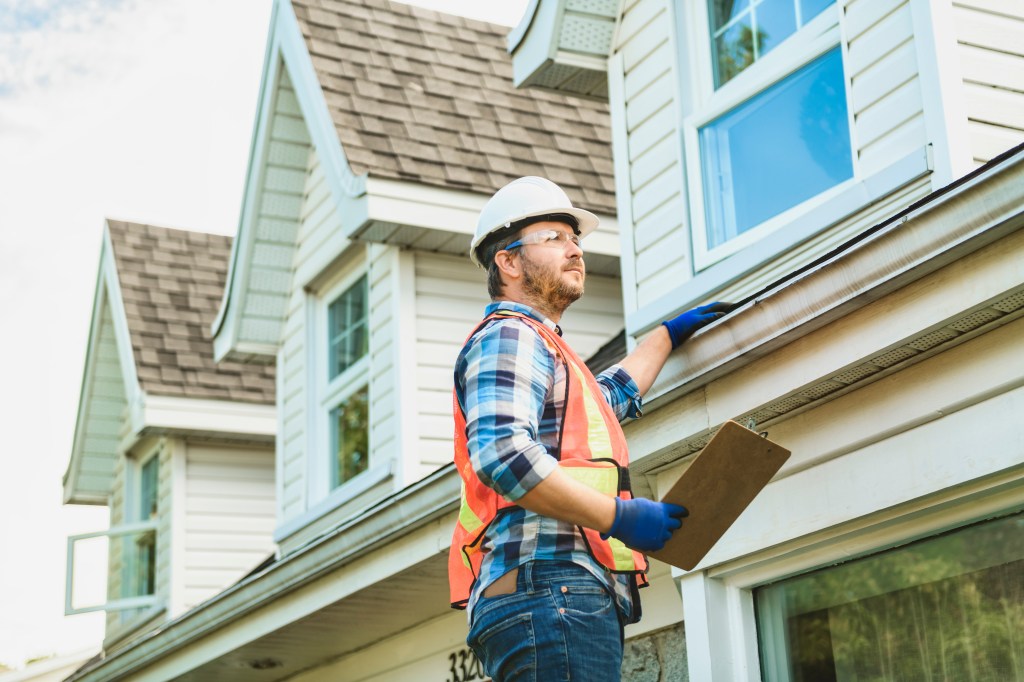
When a property sits vacant, moisture risk doesn’t pause, it compounds. A properly maintained roof becomes a critical aspect of protecting the structure, as roofing systems, gutters, drainage pathways, and even adjacent components like cooling systems all influence how effectively water is managed.
Without routine oversight, minor issues such as clogged gutters, loose shingles, or deteriorating flashing can quietly worsen, allowing water to infiltrate and spread from the roofline into ceilings, walls, and structural elements. In vacant homes, this escalation happens unnoticed, turning small concerns into costly repairs.
Establishing a “dry first” approach ensures water is efficiently directed off the roof and away from the building, reinforcing proactive protection rather than reactive fixes. For property owners, consistent monitoring and prioritizing drainage is not just maintenance, it’s the most reliable way to preserve property value, prevent water intrusion, and safeguard the home while it remains unoccupied.
First Things First: Heat, Power, and Plumbing Must Be Protected
Before focusing only on the roof, property owners should confirm that the home’s heat, electricity, plumbing, and major appliances are properly managed for vacancy. In cold climates, setting the temperature to at least 55 degrees Fahrenheit can help protect pipes if the heat is left on. If the property is being fully winterized, water should be shut off, lines should be drained, and a licensed plumber should be contacted to make sure proper winterization techniques are used.
Sinks, toilets, drains, and appliances connected to water lines should also be checked carefully. Pouring environmentally safe, biodegradable antifreeze into drains can help any remaining water resist freezing, while taping toilets shut and posting signage can prevent accidental use after plumbing has been winterized. These steps matter because water damage from a burst pipe is not always covered by insurance, depending on the policy and whether reasonable care was taken to prevent freezing.
The Roof Is Not Just a Surface — It Is the Building’s First Shield
The roof is more than just a protective layer, it’s the structure’s first line of defense and a critical aspect of preserving both function and curb appeal, especially for vacant properties. A properly maintained roof protects everything beneath it, from structural components to interior finishes, directly influencing long-term property value. Through regular inspections, owners can catch early warning signs such as damaged shingles, aging membranes, compromised flashing, or poor drainage before they escalate into extensive damage or hidden moisture issues.
This proactive approach is essential for vacant homes, where small problems can go unnoticed and worsen over time. By prioritizing consistent roof monitoring and maintenance, property owners not only prevent deterioration but also ensure the building remains secure, visually appealing, and structurally sound even while unoccupied.
Start With Seasonal Inspections, Then Add Storm Checks
A strong “dry first” plan is built on regular maintenance and consistent, seasonal roof inspections, typically guided by a checklist in spring and fall, along with additional checks before and after major storms. This routine helps property owners catch early warning signs, such as loose shingles, displaced flashing, blocked gutters, or even a small drip, before changing weather conditions can push water deeper into the structure.
Preparing vacant homes ahead of severe weather and conducting prompt post-storm evaluations ensures that minor concerns don’t escalate into costly damage. These inspections effectively serve as an added insurance policy, reducing risk and helping preserve the building’s condition over time. For vacant properties lacking daily oversight, this disciplined schedule replaces occupancy awareness, creating a reliable system for early detection and ensuring the home remains dry, protected, and structurally sound year-round.
What To Look for During a Roof Inspection from the Ground
A roof inspection does not always require climbing onto the roof. In fact, one of the safest first steps is to use binoculars from the ground to look for missing, cracked, curling, or lifted shingles. Property owners should also look for a sagging roof line, which can indicate structural damage from trapped moisture, excessive snow loads, or long-term wear and tear.
Inside the property, check the attic and top-floor ceilings during or after rain for water stains, mold, sagging areas, or daylight visible through roof boards. Daylight peeking through roof boards can indicate openings where water may enter. Metal flashing around chimneys, vents, skylights, and roof edges should also be inspected for rust, cracks, gaps, or separation, since these are common entry points for moisture before the main roof surface fails.
Gutters and Drains Deserve More Attention Than Most Owners Give Them
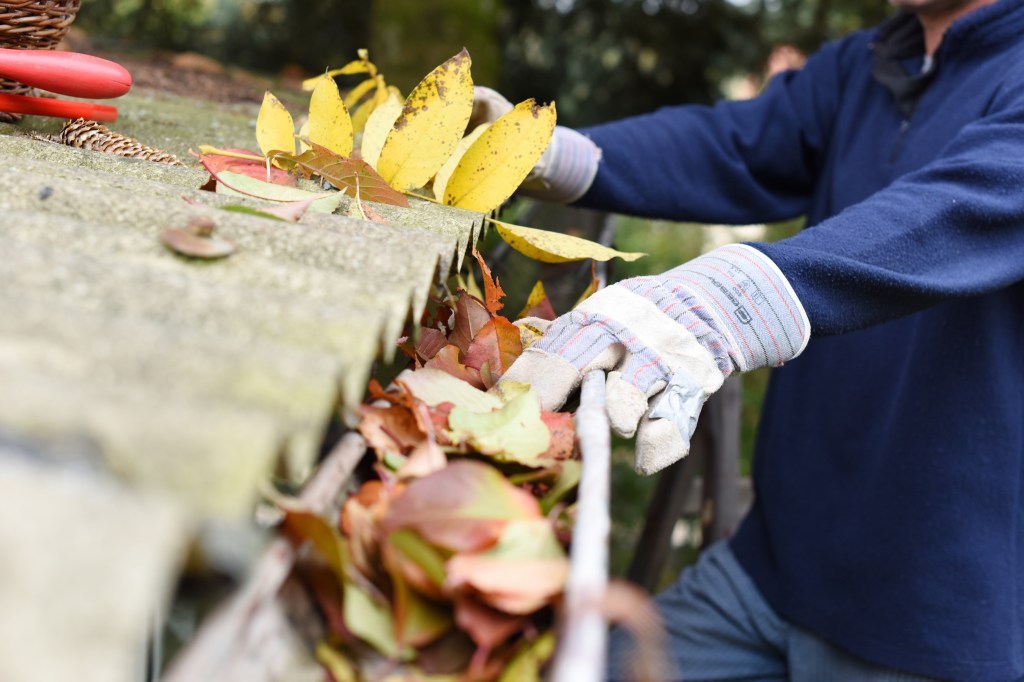
Gutters, roof drains, and downspouts are some of the most frequently overlooked parts of an otherwise sound roofing system, yet they’re often the first place issues develop. Without consistent care, debris such as leaves, twigs, and sediment can block water flow, causing it to slow or stop entirely. This buildup leads to pooling and overflow, increasing the risk of water backing up under roof edges, seeping into walls, or collecting in low areas, conditions that can quickly lead to mold growth and structural concerns. For vacant homes, where problems can go unnoticed, prioritizing drainage upkeep is essential to prevent damage and maintain overall property safety.
Owners should also check that downspouts discharge several feet away from the foundation so water does not collect near the structure. If drainage is poor, water can move back toward the home, increasing the risk of basement moisture, foundation issues, and hidden property damage. Using tools like controlled water flow or hoses during inspections to verify proper drainage, adds another layer of protection. Treating gutters and drainage systems as part of a proactive, regular maintenance plan helps safeguard the home, reduce costly repairs, and preserve long-term structural integrity.
Flat Roofs, Low Slopes, and Drainage Trouble Need a Closer Look
Flat and low-slope roofing systems demand vigilant attention because even minor drainage issues can quickly escalate into costly damage. With limited pitch to naturally shed water, these roofs rely heavily on properly functioning drains and outlets, making flat roof drain maintenance a critical part of property care. Small obstructions like leaves, dirt, or debris can trap water, creating standing pools that place continuous stress on the roof surface.
Over time, this strain can compromise seams, penetrations, and the overall integrity uncovered during a roof membrane inspection. For vacant or idle properties in particular, neglecting routine checks increases the risk of hidden water intrusion and long-term deterioration. Proactive drainage protection for idle homes, including clearing drain screens and monitoring runoff, offers a simple yet highly effective way to prevent avoidable water damage and extend the lifespan of the roof.
Flashing, Seals, and Edges Are Common Sources of Water Damage Before the Main Roof Fails
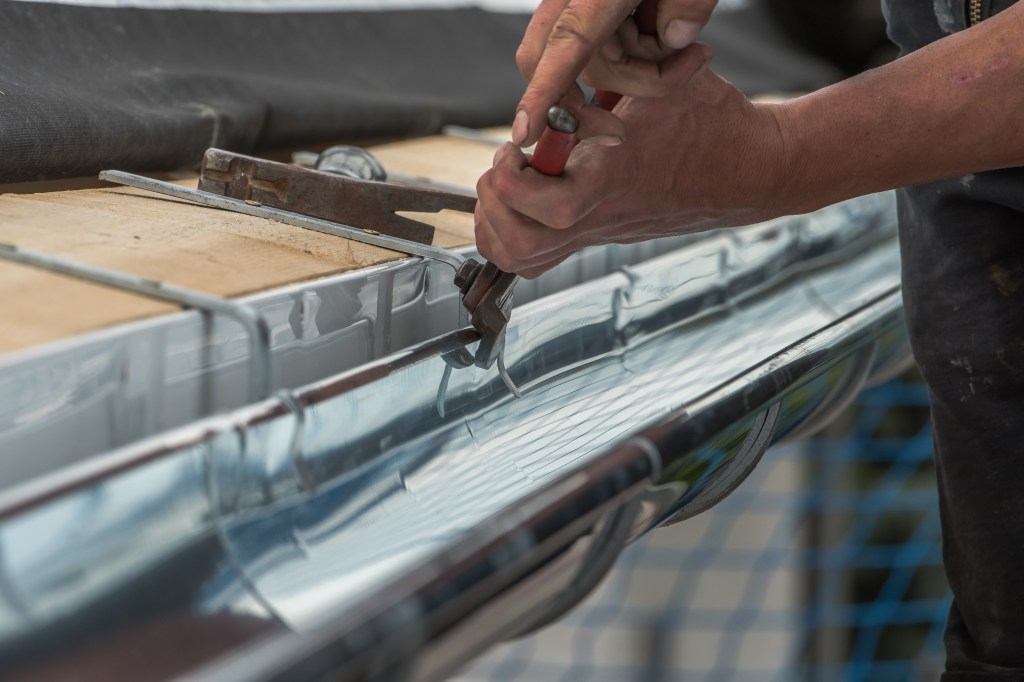
Flat and low-slope roofs require extra vigilance because they leave little room for drainage error, making consistent maintenance a top priority. Unlike pitched systems that naturally shed water, these surfaces depend on clear, functional drains, so it’s important for homeowners to regularly inspect every drainage point, including connected pipes and nearby plumbing components. Even small debris buildup around drain screens or outlets can slow water flow, leading to pooling that stresses roofing materials. Over time, standing water can weaken membranes, seams, and penetrations, issues that are often uncovered during a detailed inspection.
Additionally, for vacant properties, where problems may go unnoticed, staying proactive with routine checks and drainage upkeep is one of the most effective ways to prevent avoidable water damage. Keeping drains and connected systems clear helps preserve the roof’s integrity and ensures moisture continues to move safely away from the structure.
Debris Removal Covers Minor Issues, But It’s Also High-Value Maintenance
Debris removal may seem like a simple task, but it’s a smart investment in the long-term health of any roofing system, especially for vacant properties. For homeowners, taking time to clear away materials like nails, branches, and accumulated leaves helps uncover potential issues before they escalate into costly damage. Left in place, this debris can puncture membranes, block drainage paths, and trap moisture, creating the right conditions for deterioration and even unwanted plant growth.
As part of a proactive approach, it’s important to schedule regular inspections alongside routine cleaning to ensure the roof surface remains clear and fully functional. This combination of prevention and observation not only extends the life of the roof but also reduces the risk that a minor exterior concern develops into significant interior water damage. Debris removal should include leaves, branches, nesting materials, and any signs of birds, rodents, or insects entering through small gaps. Pests can damage insulation, wiring, vents, and roofing components, turning a small opening into a larger maintenance issue.
Climate-Specific Roof Risks: Ice, Heat, Moss, and UV Exposure
Vacant property roof maintenance should change based on climate. In cold regions, owners should monitor for ice dam formation, heavy snow loads, and freeze-thaw cycles that can stress the roof structure and force water under roofing materials. Ice, snow, and trapped moisture can quickly create hidden property damage if no one is visiting the home regularly.
In damp or shaded areas, moss and algae should be cleaned off because they can trap moisture and contribute to premature rotting of roofing materials. In hot, sun-exposed regions, reflective roof coatings may help reduce UV damage, limit thermal expansion, and support better energy efficiency. These climate-specific steps can reduce energy consumption, lower long-term repair costs, and help preserve comfort for future occupants.
Snow, Ice, and Winter Backups Change the Risk Profile Fast
In colder climates, snow, ice, and repeated freeze–thaw cycles significantly increase risk for vacant properties and account for some of the most major water losses seen during colder months. Instead of draining properly, melting snow can refreeze around roof edges and drains, creating ice blockages that force water to back up beneath roofing materials and into vulnerable seams and walls.
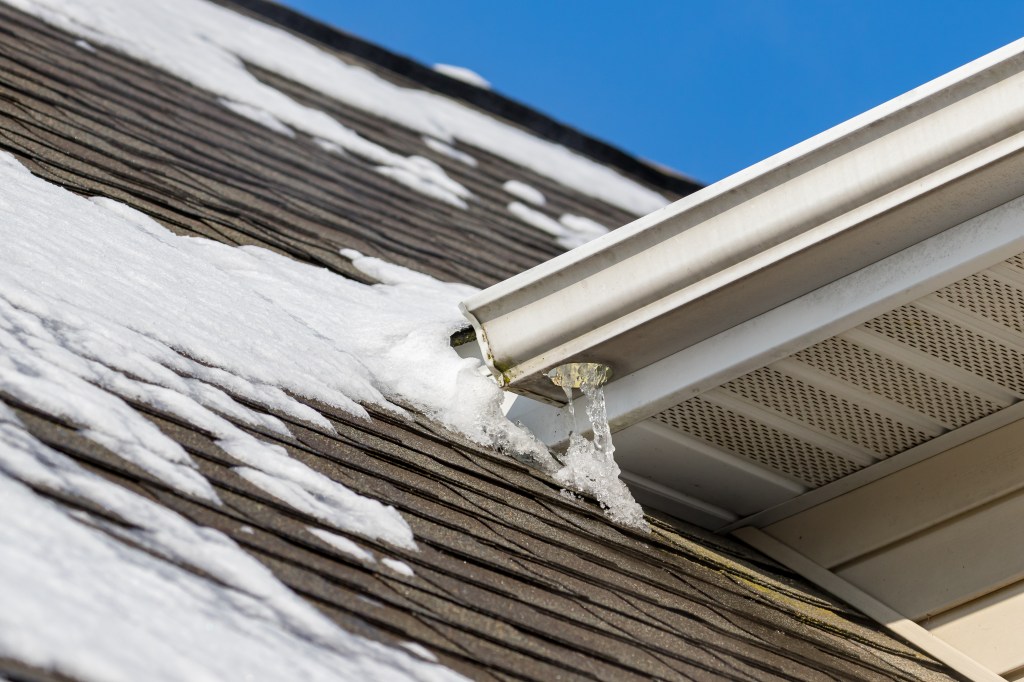
This buildup not only raises the likelihood of leaks but can also add excessive weight and stress to structural components. For homeowners, relying on experienced contractors to monitor and address winter conditions can help identify concerns early and protect critical areas. Many insurance providers tie coverage decisions to proper upkeep, meaning neglect can result in denied claims and unexpected out-of-pocket money for repairs. Taking a proactive approach with seasonal maintenance and inspections ensures that minor winter conditions don’t escalate into severe and costly damage.
Attic Ventilation and Hidden Moisture Still Matter in Vacant Homes
Attic ventilation and hidden moisture remain critical to overall roof performance, even in vacant homes, helping reduce the risk of accidents and long-term structural problems. Without proper airflow, condensation can build up in enclosed attic spaces, potentially affecting insulation, framing, and even nearby electrical systems, creating added safety concerns. Proper insulation is just as important as ventilation. When insulation is missing, compressed, wet, or uneven, it can affect energy efficiency, increase energy consumption, and allow heat to escape into the attic.
Balanced ventilation and insulation work together to regulate temperature and prevent moisture accumulation, but when a home sits empty, these issues can develop unnoticed. In winter, that escaping heat can contribute to uneven roof temperatures and ice dam formation, while damp insulation may point to hidden leaks or moisture problems.
That’s why property owners should routinely monitor attic conditions and consult experienced professionals when signs of excess moisture or poor airflow appear. Taking a proactive approach ensures the entire roof system, not just the exterior, remains dry, stable, and safe, preserving the integrity of the home even during extended periods of vacancy.
Limit Foot Traffic, Use a Security System, and Control Roof Access

Limiting foot traffic and controlling roof access are often overlooked but important parts of preserving roof integrity, especially as part of comprehensive vacant property roof care. Roof systems are not designed to handle frequent or unnecessary use as walking surfaces, and even light traffic can cause damage to shingles, membranes, seams, and flashing over time, reinforcing the need for periodic roof membrane inspection to catch wear early.
This risk is even greater on flat roofs or older systems, where materials may already be more vulnerable. By securing access points and ensuring that only authorized, purposeful visits take place, property owners support smarter preventative maintenance for empty buildings and reduce the chance of accidental damage. For idle homes, controlled access turns roof care into a deliberate process, helping maintain the system’s condition while ensuring inspections and maintenance are both careful and effective.
The Real Payback Is Energy-Efficient Performance, Fewer Leaks, Lower Repair Costs, and Better Long-Term Value
Routine roof maintenance delivers meaningful returns, often in ways that aren’t fully appreciated until problems surface. By staying ahead of wear and drainage concerns, property owners protect their house from costly deterioration while extending the roof’s lifespan and reducing unexpected repairs. As an example service, scheduled inspections and preventative upkeep can identify early issues before they disrupt future occupancy or impact tenants.
This proactive approach is especially valuable for vacant properties, where minor concerns can escalate quickly without daily oversight. Consistent maintenance not only safeguards against interior water damage but also helps preserve long-term value, ensuring the property remains ready for leasing, sale, or reoccupation without unnecessary delays or expenses.
When Property Management Or Home Watch Support Makes Sense
For vacant homes, professional property management or a structured home watch service can help prevent silent damage that develops between owner visits. A professional home watch business typically conducts thorough interior and exterior inspections, checking roof condition, gutters, drainage, plumbing, HVAC, electricity, security systems, internet connections, appliances, and signs of pests or leaks.
This oversight is especially valuable when neighbors are not available to check the property consistently. Accredited home watch businesses may follow professional standards and provide structured documentation after each visit. Regular oversight can significantly reduce the risk of mold growth, plumbing leaks, HVAC shutdowns, pest activity, roof damage, and other hazards that can quietly develop in a vacant home.
Build a “Dry First” Routine for Reliable Vacant Property Roof Care You Can Actually Repeat
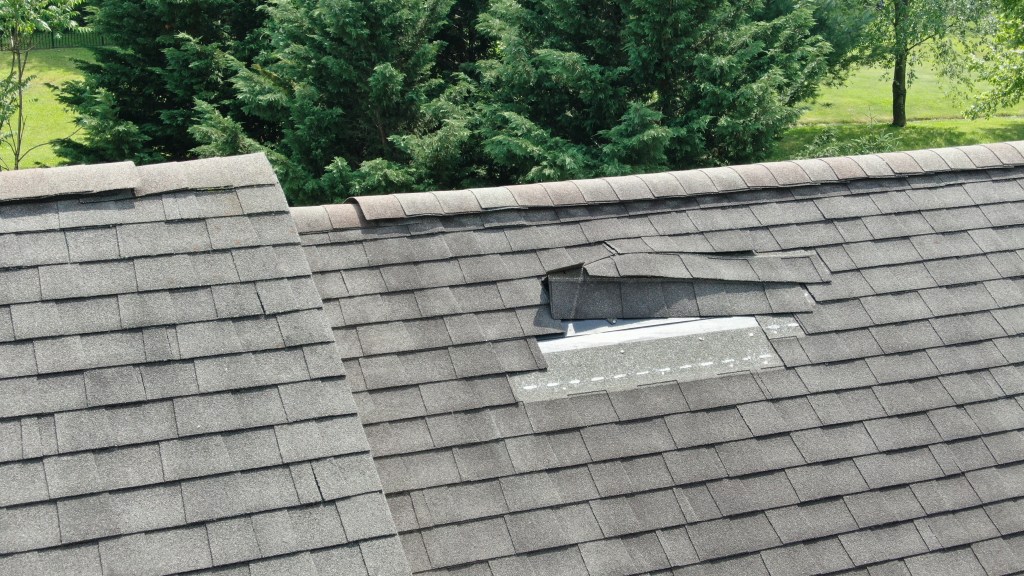
Building a “dry first” routine only works if it’s simple enough to repeat, and consistent enough to matter. A sustainable approach includes scheduled spring and fall roof inspections for vacant property, routine gutter and drain cleaning aligned with gutter and drainage standards for vacant property, targeted checks after major storms, and clear photo documentation to track developing issues over time. Just as important is acting quickly on small concerns like failing seals, loose flashing, or slow drainage before they evolve into costly damage.
By turning these steps into a predictable cycle, owners can strengthen vacant property roof care, shifting it from a reactive burden into a dependable, proactive system. The result is a home that stays dry, retains its value, remains easier to insure, and is always ready for its next phase, whether that’s occupancy, leasing, or sale.
Sources:
https://atlanticroofers.com/roof-maintenance-how-to-keep-your-roof-in-great-shape/blog/
https://www.onsite-hq.com/insights/the-crucial-role-of-regular-roof-maintenance-in-property-maintenance
https://cooperatornews.com/article/maintaining-roofs
https://www.dawsonpropertymanagement.com/roof-maintenance-tips
https://www.cibaservices.com/post/roof-maintenance-a-shield-against-storms-and-time
https://www.resilientroofing.com/blog/roofing-benefits-landlords
https://www.certainteed.com/inspiration/how-tos/what-type-maintenance-does-my-roof-require
https://newenglandcondo.com/article/roof-maintenance