
Effective Vacant Property Leak Control: Protect Your Investment Today
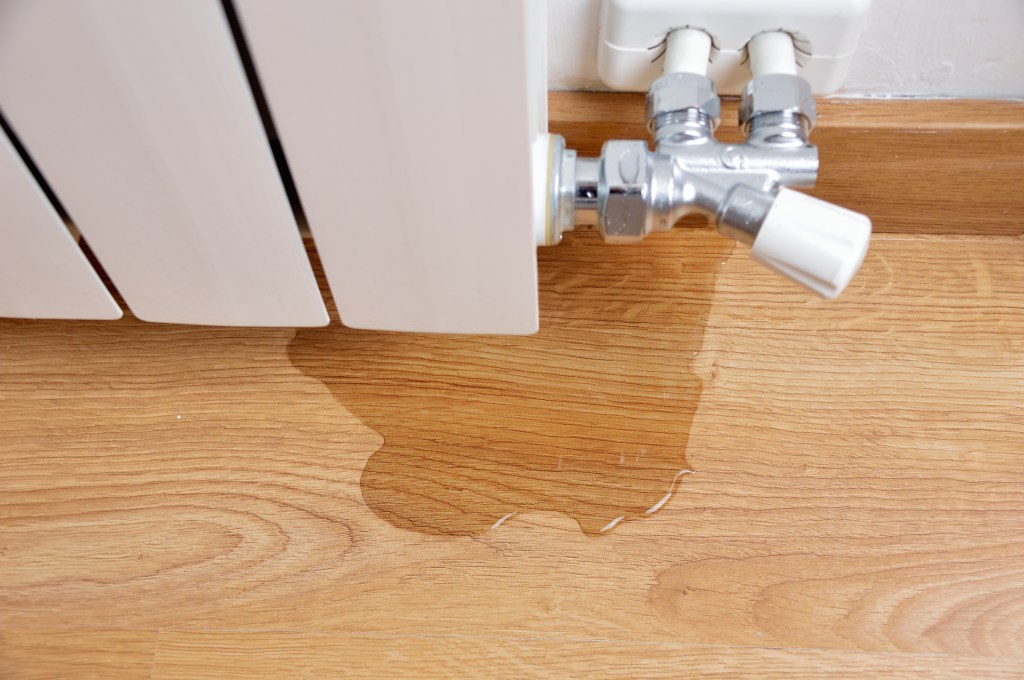
For owners of vacant properties, simply turning off the water supply is no longer enough to fully protect a building from water leaks and costly water-related incidents. Effective vacant property leak control requires a more comprehensive approach, as shutoff valves alone cannot eliminate every risk. Leaks, pipe failures, moisture intrusion, and even issues involving a building’s sprinkler system can occur unnoticed in empty structures, often leading to mold growth, damaged finishes, and expensive insurance claims before anyone becomes aware of the problem.
That is why modern water damage prevention strategies for vacant properties extend beyond basic shutoffs to include smart valves, connected sensors, and detailed data logging. These technologies work together to help detect leaks and abnormal conditions early, stop water before the situation escalates into major damage, and provide continuous visibility into a property’s water infrastructure. By combining monitoring, automation, and documented oversight, property owners can prevent costly water damage and strengthen their overall approach to leak-proofing vacant buildings during extended periods of vacancy.
Start With the Obvious Controls: Shutoffs, Heat, and Weekly Eyes on the Site
Effective vacant property leak control starts with the basics. Before investing in advanced monitoring technologies, property owners should establish a practical foundation that includes regular inspections, shutting off the main water supply or stopcock when appropriate, and maintaining low-level heat throughout the house. These fundamental measures play a critical role in preventing water-related losses, particularly during colder months when frozen pipes can burst and cause extensive damage. Even a single leak can go unnoticed in an empty building and quickly escalate into mold, structural deterioration, and costly repairs.
Weekly site visits help detect leaks, moisture intrusion, equipment failures, and other concerns before they become major problems. Physical inspections should include checking under sinks, around toilets, near water heaters, and beside appliances for moisture, staining, corrosion, or musty odors. Owners should also monitor utility bills for sudden spikes, which may indicate a hidden water leak if portions of the system remain active.
Many owners also choose solutions that offer seamless integration with monitoring platforms, allowing them to receive real-time alerts when unusual water activity is detected. Combined with consistent heating to reduce freeze risk, these routine practices create a strong first line of defense, ensuring small issues are discovered and addressed long before they result in significant damage or insurance claims.
Leak Control Starts Outside: Roofs, Gutters, Drains, and Entry Points
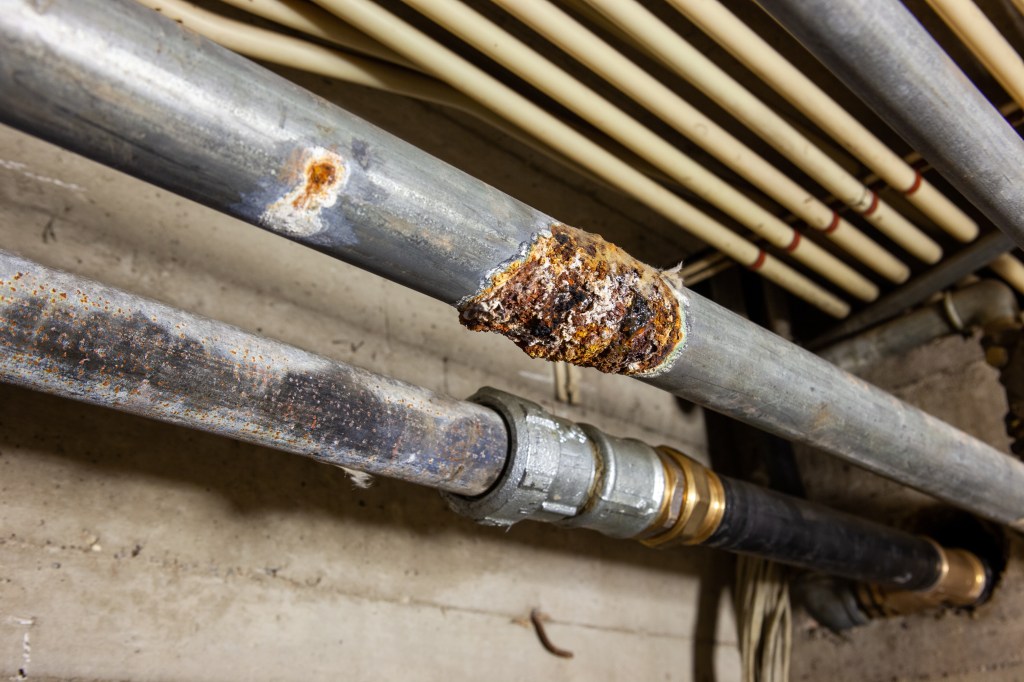
Protecting an unoccupied building from water damage requires more than monitoring pipes and plumbing systems. In many cases, water enters a property through exterior vulnerabilities long before an internal leak occurs. Damaged roofing, overflowing gutters, blocked drains, foundation cracks, and worn seals around doors and windows can all create pathways for moisture to enter and spread through walls, ceilings, and other structural components.
Because vacant buildings often receive less frequent attention, these issues can worsen over time and lead to costly repairs. A proactive maintenance plan should include routine exterior inspections and professional services to identify and address problems before periods of heavy rain, snow, or freeze-thaw conditions. Special attention should be given to each location where water may collect, pool, or penetrate the building envelope. Ensuring gutters are clear, grading directs water away from the property, and exterior openings are properly covered can significantly reduce the risk of moisture intrusion.
In addition, checking outdoor drainage systems and areas where water can sink into cracks or weak points helps strengthen overall property protection. These preventive measures help preserve building conditions, reduce hidden moisture issues, and limit the potential for long-term structural damage during extended vacancies.
Pipe Freeze and Burst Pipe Risks Can Cause Major Damage In Empty Buildings
One of the greatest threats to an unoccupied property is the risk of frozen and burst pipes during cold weather. Without occupants present to notice falling temperatures, drafts, or early warning signs, minor plumbing issues can quickly escalate into significant water damage. For this reason, property owners should take proactive steps to protect vulnerable systems before winter conditions arrive. Regular inspections and pipe insulation for vacant buildings help safeguard exposed plumbing, while maintaining a low indoor temperature provides a consistent environment that reduces the likelihood of freezing.
For a full winterization, opening the lowest faucets helps drain the plumbing system more effectively. Environmentally safe antifreeze may also be added to drains to help prevent water remaining in P-traps from freezing. Taping toilets shut and posting clear signage can prevent contractors, inspectors, or other visitors from accidentally using winterized fixtures. Because incorrect winterization can damage plumbing or leave hidden sections vulnerable, hiring a licensed plumber can help ensure the proper techniques are applied. For example, properties in colder climates may require additional insulation around exposed piping and critical plumbing connections to minimize risk.
When a complete water shutdown is not practical, isolating water supplies to high-risk appliances such as washing machines, dishwashers, and ice makers can provide an extra layer of protection. Property owners should also consider backup power solutions to ensure heating systems continue operating during outages. Although there is an upfront cost associated with preventative measures and professional installation, these investments are often far less expensive than repairing major damage caused by a burst pipe. Together, these strategies provide a reliable approach to protecting empty buildings from one of the most common and costly winter-related property losses.
How Smart Water Shutoff Valves and Leak Detection Prevent Costly Water Damage
Traditional leak protection relies on someone noticing a problem and taking action, but smart shutoff valves help eliminate that gap by responding automatically when abnormal conditions are detected. Unlike standard monitoring devices that simply send alerts, these systems combine leak sensors, flow monitoring, and motorized shutoff technology to actively protect a property. When unusual water use, pressure fluctuations, or signs of a leak are identified, the automatic water shutoff valve can close the water supply before significant damage occurs.

This proactive approach is particularly valuable for a vacant house, where there may be no occupant on-site to recognize a problem or respond quickly. Many smart shutoff systems are installed directly on the property’s main water line or water meter, enabling them to detect potential issues, isolate the water supply, and minimize damage without requiring manual intervention. Some solutions can even track changes in water consumption and use built-in temperature monitoring to identify conditions that could increase the risk of leaks or frozen pipes.
By automating both leak detection and response, these systems help reduce water loss, lower repair costs, and provide property owners with greater peace of mind while their buildings remain unoccupied.
Whole-Building Leak Detection Vs. Targeted Protection at Appliances
When it comes to managing water-related risks, there is no one-size-fits-all solution. Some property owners may benefit most from a whole-building approach, using an inline shutoff device installed on the property’s main water line to monitor and protect the entire plumbing system. Others may choose a more targeted strategy that focuses on high-risk appliances and fixtures, such as water heaters, washing machines, dishwashers, refrigerators, or even a frequently used sink, where leaks commonly originate.
Condensate lines from air conditioning units also deserve attention because they can clog or become disconnected, allowing water to escape unnoticed. In larger rental or multifamily housing properties, aging fixtures, flexible connectors, plumbing systems, and pipe joints can present additional leak risks across multiple units or mechanical spaces. This approach uses sensors placed near vulnerable fixtures to detect moisture early and provide warning before damage spreads.
To enhance protection, many systems incorporate additional monitoring devices, enabling property owners to identify potential issues at their source rather than after water has traveled throughout the building. Strategically placed sensors can detect moisture early and provide warning before damage spreads. Multiple sensors may be appropriate in larger buildings or wherever several vulnerable fixtures are located far apart. When selecting wireless devices, owners should also consider long battery life and establish a replacement schedule so protection does not quietly lapse.
The right solution depends on the property’s size, layout, age, and risk profile, allowing owners to tailor coverage to specific areas of concern. Whether the goal is comprehensive monitoring across the entire structure or focused protection around the fixtures most likely to fail, combining both strategies often provides the most effective defense against unexpected water damage.
Remote Alerts Help Detect Leaks When Empty Properties Need a Digital Caretaker
Leak control becomes significantly more effective when property owners can monitor conditions from anywhere. Modern systems support remote water monitoring for empty buildings through app-based dashboards that provide real-time visibility into plumbing activity, water consumption, and system status. Features such as mobile alerts, remote valve control, water usage reports, freeze notifications, and vacation modes transform a simple shutoff device into a comprehensive monitoring solution.
Some products may also integrate with broader smart-building platforms, but compatibility with Google Assistant or another consumer voice assistant should not outweigh dependable alerts, automatic shutoff capabilities, strong connectivity, and reliable performance. For owners, brokers, property managers, and businesses responsible for vacant buildings, the priority is a system that continues working when nobody is there.
By combining these capabilities with smart leak alerts for property owners, users can receive immediate notifications when abnormal water flow, pressure changes, or potential leaks are detected. When paired with strategically placed sensors, these systems provide an additional layer of protection by identifying problems early and helping owners take action before they escalate. Most importantly, this proactive approach can prevent costly water damage, reducing repair expenses, minimizing disruption, and helping preserve the condition of vacant properties even when no one is on-site.

Data Logs and Usage Reports Turn Water Protection into a Valuable Resource
The true value of modern water protection technology goes beyond automatic shutoffs and mobile notifications, it lies in the ability to create a detailed record of property activity over time. Advanced systems can track and store information such as leak alerts, water usage patterns, valve activations, maintenance checks, and shutoff events, giving owners a clear picture of what happened and when. Some systems can also generate daily, weekly, and monthly usage reports to help monitor water consumption and identify changes that may warrant investigation.
These data logs for water incidents transform a water management system from a simple device into a valuable risk-management tool, providing documented evidence of system performance and response actions. For vacant properties, maintaining an accurate event history can be especially beneficial when communicating with insurance brokers, claims adjusters, maintenance professionals, or restoration contractors.
Detailed records can support insurance documentation for water claims, helping verify timelines and demonstrate proactive property management. When combined with remote water monitoring for empty buildings, these logs provide continuous oversight and a reliable historical record that owners can reference instead of relying on memory or scattered notes, making investigations, maintenance planning, and claims handling far more efficient.
Maintenance Still Matters: Smart Leak Detection Devices Need Regular Testing
Even the most advanced leak-prevention technology is only effective if it functions properly when an emergency occurs. Smart water protection systems, including automated shutoff valves and connected monitoring devices, should be tested regularly to ensure they remain reliable over time. Routine maintenance may include monthly valve cycling tests, quarterly leak-detection checks, seasonal reviews of freeze-protection and vacation settings, and annual inspections of fittings, batteries, firmware, and software updates.
These simple but important tasks help confirm that the system can detect problems, support real-time monitoring, deliver alerts, and respond as intended during a water-related event. In addition to scheduled testing, regular property inspections can help identify potential issues before they become significant losses. While maintenance requires a small investment of time and cost, it is far less expensive than dealing with extensive water damage caused by a system failure.
For owners of vacant properties, a successful protection strategy should not end after installation, it should include an ongoing maintenance schedule that keeps equipment operating at peak performance and ensures reliable protection when it is needed most.

Insurance Value Shows Up in Two Places: Risk Profile and Claims Handling
The benefits of modern water protection systems extend well beyond preventing leaks, they can also strengthen a property’s insurance position before and after a loss occurs. Proactive measures such as leak sensors, smart valves, and monitoring systems play an important role in reducing risk and helping property owners avoid costly damage caused by unexpected water events.
This is especially valuable for vacant homes and rental properties, where water issues may go unnoticed for extended periods. If a leak or plumbing failure does occur, the value of these tools becomes even more apparent through the documentation they provide. Event histories, photos, videos, and system records can support insurance documentation, helping establish what happened, when it happened, and how the property owner responded. Combined with detailed incident logs, these records can make communication with adjusters, brokers, and restoration professionals more efficient and transparent.
Additionally, real-time alerts enable owners and property managers to act quickly, potentially limiting the extent of damage and creating a documented timeline of events. When paired with remote monitoring and automated shutoff capabilities, these technologies become more than property protection tools, they serve as valuable assets for both risk management and efficient claims handling.
A Good Vacant Property Leak-Control Plan Blends Manual Habits With Smart Automation
The most reliable protection strategy combines consistent property maintenance with intelligent technology. Routine tasks such as inspecting the roof, clearing drainage systems, sealing exterior openings, checking exposed plumbing, looking under sinks and around toilets, and conducting regular walkthroughs help reduce common sources of water intrusion and structural damage.
These foundational practices remain essential to effective vacant property leak control and support long-term water damage prevention for vacant property. However, even the most diligent maintenance program cannot prevent every unexpected issue, especially when a building sits empty for extended periods. That is where connected monitoring equipment and automated response systems provide an additional layer of security, detecting abnormal conditions and responding quickly when no one is on-site.
By pairing preventative maintenance with real-time monitoring and automatic safeguards, property owners can create a stronger approach to leak-proofing vacant buildings—one that continuously protects the property rather than relying on a single preventative measure.
Build A Repeatable Water Plan Before the Building Needs One
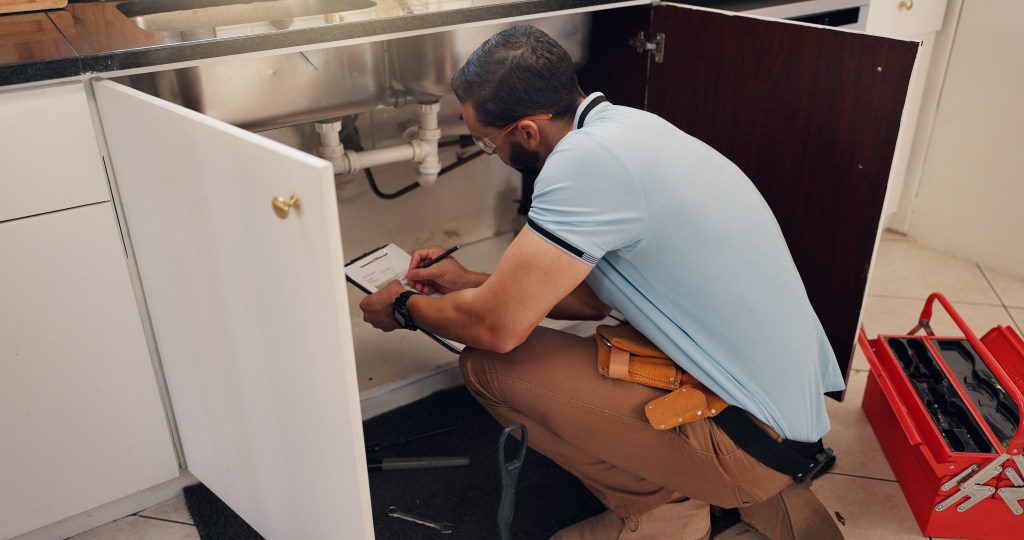
The most effective way to manage water-related risks in an unoccupied property is to have a documented plan in place before an incident occurs. A written protocol should clearly outline which water lines are shut off, what areas of the building remain heated, where monitoring devices are installed, who receives system notifications, how often equipment is tested, and where inspection records, photos, and event histories are stored. Creating a water shutoff plan for idle properties helps establish consistency and ensures that everyone involved in property management knows exactly how to respond when an issue arises.
It also makes ongoing oversight easier by turning vacant property leak control into a repeatable process rather than a reactive task. Maintaining organized data logs for water incidents further strengthens the plan by providing a clear record of alerts, inspections, usage changes, and response actions. When these procedures are established in advance, property owners can respond more quickly, maintain better documentation, and simplify restoration efforts if water intrusion ever occurs.
Sources:
https://www.bluedoorpropertyguardians.co.uk/news/how-to-successfully-leak-proof-your-vacant-property
https://www.insyncinsurance.co.uk/knowledge-centre/articles/unoccupied-property-leaks/
https://hylant.com/insights/blog/protecting-your-vacant-home
https://www.sensorindustries.com/smart-shutoff-valves-the-new-standard-in-property-protection/
https://www.frizzlife.com/blogs/guide/automatic-water-shut-off-valve-complete-guide
https://mgiaccess.com/vacant-property-security-guide/
https://www.brokerlink.ca/blog/water-damage