
Essential Tips for Vacant Property Freeze Protection This Winter
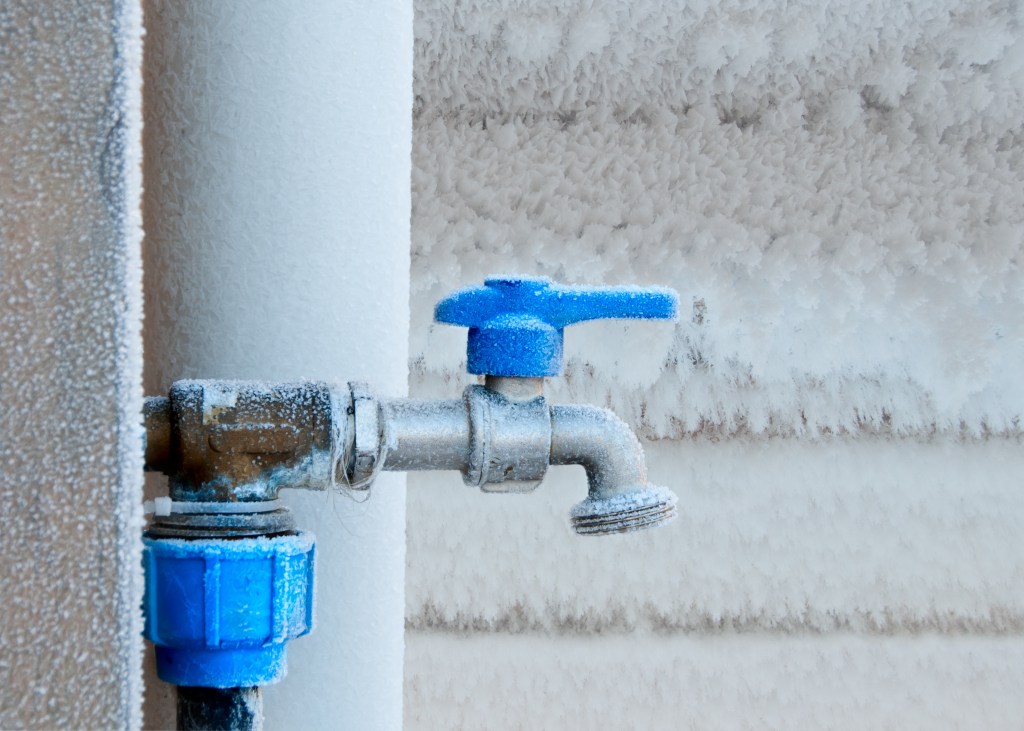
When a property sits empty during the winter, the risk of frozen plumbing and other forms of winter property damage rises dramatically. A minor heating failure can quickly lead to frozen pipes, burst plumbing, and water damage, especially when remaining water is trapped in pipes, fixtures, or vulnerable areas such as crawl spaces. Left undetected, these issues can result in mold growth, structural deterioration, and significant repair expenses before anyone realizes there is a problem.
Because of these risks, insurers closely scrutinize vacant property freeze protection measures and often require documented evidence that adequate safeguards are in place to maintain insurance coverage. Understanding the right temperature settings, monitoring practices, inspection protocols, and proof of compliance can help property owners maintain appropriate insurance coverage, reduce claim disputes, and prevent frozen pipes throughout the cold season.
The First Underwriting Question: Is The Plumbing System And Fire Sprinkler System Truly Winterized?
One of the first concerns for underwriters is whether a vacant property has been intentionally prepared for winter conditions or simply left unoccupied. A dark, empty building does not automatically qualify as protected against cold-weather damage. Effective vacant property freeze protection requires proactive measures such as maintaining adequate heat, shutting off the water when appropriate, draining plumbing systems, insulating pipes in vulnerable areas, protecting toilet bowls and fixtures from freezing, scheduling routine inspections, and keeping records that demonstrate ongoing oversight.
The fire sprinkler system requires special consideration because shutting it down may affect insurance coverage, life-safety requirements, and compliance with local fire codes. Property owners should not drain, disable, or modify sprinkler equipment without consulting the insurer and an appropriately qualified fire-protection professional.
These steps show insurers that the property is being actively managed rather than merely left vacant and help satisfy the requirements of vacant home winter insurance policies. By implementing a documented winterization plan, property owners can strengthen cold weather risk management for vacant property, reduce the likelihood of freeze-related losses, and improve their ability to maintain coverage throughout the winter season.
Keep the Heat On: Why Your Heating System Needs a Deliberate Freeze-Protection Setting
One of the most important elements of freeze prevention for empty homes is maintaining a consistent indoor temperature when water service remains active in the building. For underwriters, the objective is not occupant comfort but protecting pipes, plumbing fixtures, water heaters, and concealed wall cavities from freezing conditions during severe winter weather. Industry guidance commonly recommends keeping the thermostat above 55°F (13°C), while similar recommendations place the practical minimum in the 12-15°C (54-59°F) range. Establishing and documenting a minimum heat setting for a vacant house demonstrates that freeze protection is intentional rather than accidental. Where the heating system relies on oil or propane, tanks should remain adequately filled and monitored throughout the winter. Owners should also arrange dependable fuel deliveries and confirm that someone will respond if consumption changes unexpectedly or the supply falls below a safe level.
In situations where plumbing systems are being winterized, contractors may use compressed air to remove residual water and reduce the risk posed by trapped moisture that could freeze and interrupt normal water flow. When paired with low temperature monitoring for a vacant house, property owners can receive alerts if temperatures begin to fall, allowing issues to be addressed before they cause frozen pipes, water intrusion, or severe damage. Together, these measures strengthen freeze prevention for empty homes, reduce the risk of burst pipes, and help satisfy insurer expectations for winter vacancy protection.
Drain The Plumbing System Properly To Help Prevent Frozen Pipes
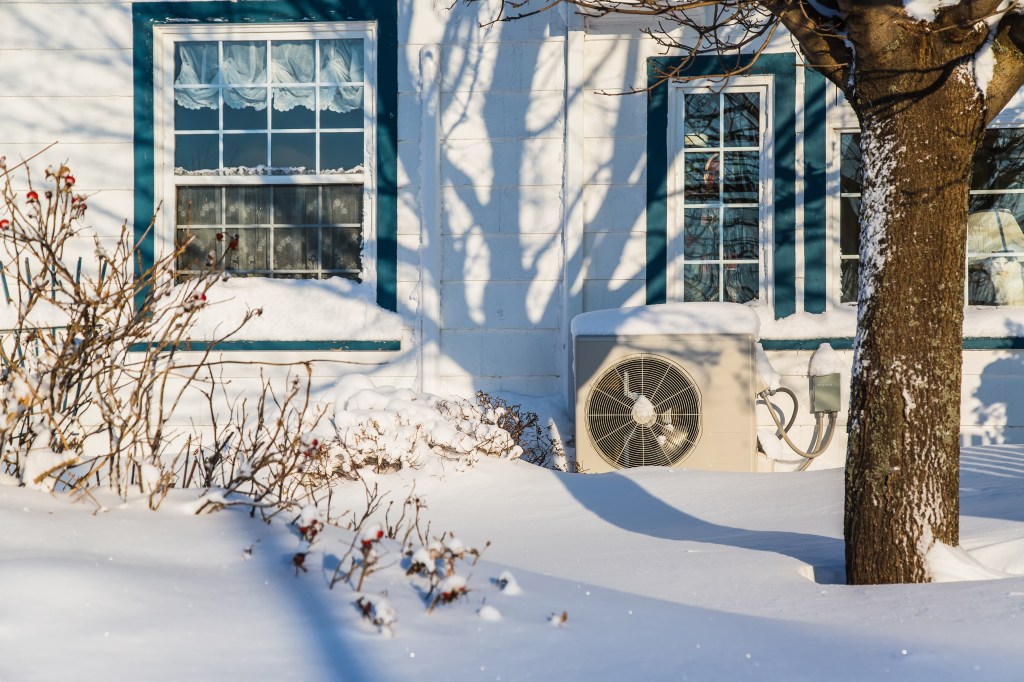
For properties that will remain unoccupied for an extended period, the decision to shut off water in a vacant house and fully drain pipes for winter vacancy can significantly reduce the potential impact of freezing temperatures. When a complete winterization is appropriate, faucets should generally be opened throughout the property, beginning at the highest level and working downward so water can drain from the plumbing system. Outdoor faucets and hose connections should also be disconnected and drained because water left in these exposed areas can freeze quickly during a winter storm. Remaining water must also be addressed in fixtures such as toilet tanks, toilet bowls, floor drains, and P-traps. Depending on the system and local requirements, a licensed plumber may use compressed air or other professional techniques to clear residual water that gravity alone cannot remove.
By removing water from the plumbing system and ensuring proper drainage systems are functioning, property owners can greatly improve burst pipe prevention and limit the risk of severe water damage if a heating system fails. However, underwriters generally do not consider water shutoffs alone to be sufficient protection. A vacant building may still experience heat loss through poorly insulated areas, creating freeze risks near exterior walls, attics, crawlspaces, and even unoccupied living spaces.
Other threats, including roof leaks, ice dams, vandalism, or maintenance issues, can also develop unnoticed without a thorough inspection program. Effective winter risk management requires a comprehensive approach that combines water shutoffs with regular property checks, maintenance of critical building systems, and documented oversight. Taking these additional steps helps demonstrate that the property is actively protected and not simply left unattended throughout the winter months.
Exposed Pipes on Exterior Walls Need Their Own Strategy
Not all plumbing faces the same level of risk during winter vacancy. Pipes located in exterior walls, crawlspaces, garages, attics, and outdoor hose bib connections are often the first areas affected by freezing temperatures because they are closer to the building’s exterior and exposed to colder air and less consistent heat. While pipe insulation can help slow heat loss, insulation alone does not generate warmth or prevent freezing when temperatures remain low for extended periods. Effective winterizing of a vacant property requires identifying these vulnerable locations and implementing additional safeguards, such as maintaining adequate indoor heat, sealing drafts, monitoring temperatures, opening cabinet doors where appropriate to allow warm air to reach plumbing, and inspecting critical water systems regularly. Any cabinet doors opened for freeze protection should be checked after contractors, realtors, or other visitors leave the building.
Taking a proactive approach to protecting pipes in empty buildings can significantly reduce the likelihood of freeze-related damage and help preserve the property’s structural integrity by preventing water intrusion and moisture-related deterioration. By giving special attention to high-risk plumbing areas, property owners can strengthen burst pipe prevention for vacant property, minimize costly repairs, and demonstrate a more comprehensive risk management strategy that aligns with underwriting expectations.
Install Remote Monitoring Systems For Temperature And Leak Protection
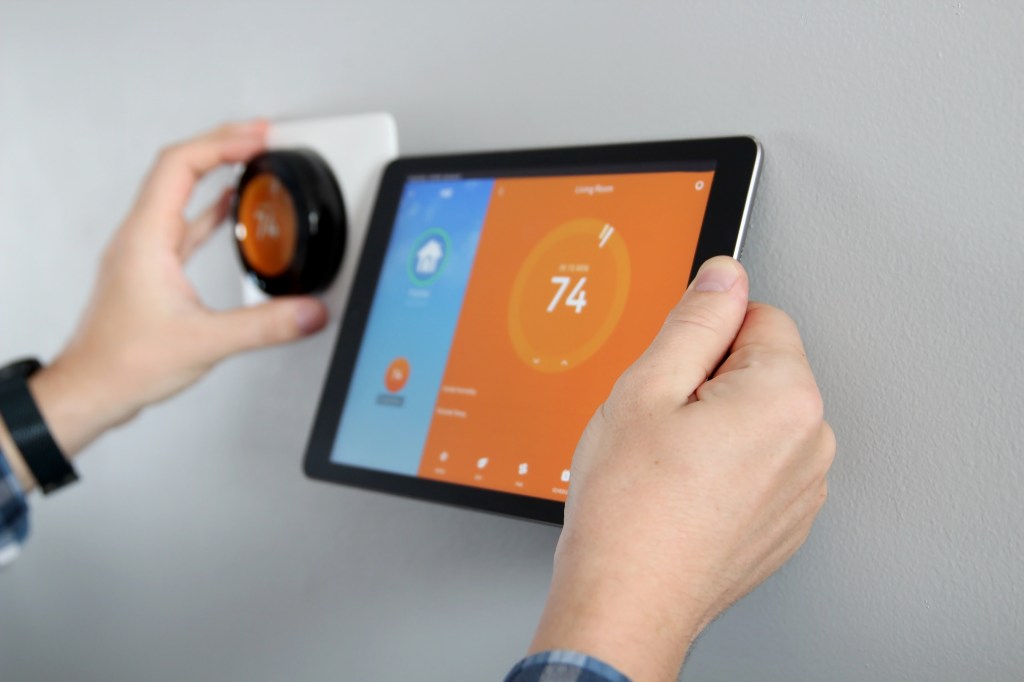
In a vacant property, problems can develop long before anyone arrives for a routine inspection, which is why many owners install remote monitoring systems as part of their winterization strategy. A smart thermostat for vacant property can continuously maintain a safe temperature inside the building and send alerts if conditions fall below a predetermined threshold, helping owners respond before pipes freeze. This is especially important in unheated areas such as crawlspaces, utility rooms, attics, and garages, where freezing temperatures can develop more quickly.
At the same time, leak sensors for empty homes can detect water where it should not be and provide immediate notifications, reducing the likelihood of extensive damage from undetected plumbing failures. These monitoring tools can also help identify drafts around doors and windows, allowing property owners to make necessary repairs before heat loss creates larger problems. Combined with low temperature monitoring for vacant houses, these technologies do more than reduce risk. They create a documented record that the property is being actively monitored and managed.
For underwriters, records generated by remote monitoring systems can support freeze-loss prevention efforts by showing temperature changes, alerts, equipment status, and response times. These tools complement physical inspections; they do not automatically replace visits required by the insurance policy.
Inspections Are Not Optional If You Want the Claim to Stand Up
Regular property inspections are a critical component of winter vacancy risk management and are often required by insurance policies covering vacant buildings. Many insurers impose specific inspection schedules to ensure that heating systems remain operational, temperatures stay within safe limits, and any developing issues are identified before they become major losses.
These inspections provide an opportunity to check the main water supply for leaks or shutoff status, confirm that thermostats are functioning, test smoke detectors and security equipment, and examine doors, windows, and utility penetrations for drafts or water intrusion. Inspectors should also confirm that interior lights used for security or scheduled occupancy cues are operating as intended. Some policies may require daily visits during the winter months, while others allow inspections every 48 to 72 hours.
Because these requirements can vary, property owners should select coverage terms they can realistically meet and consistently document. Maintaining inspection logs, photographs, and monitoring records provides proof of winterization for insurance purposes and demonstrates active oversight of the property. Consistent, well-documented inspections not only help prevent freeze-related damage but also strengthen compliance with vacant property inspection requirements in winter, making it easier to support a claim if a loss occurs.
The Roof, Gutters, Seals, Frozen Pipes, and Burst Pipes Still Belong in a Freeze Plan
A comprehensive freeze protection strategy involves far more than safeguarding plumbing systems. When a property sits vacant during the winter, snow accumulation, ice dams, clogged gutters, and deteriorating weather seals can create pathways for water intrusion that may go unnoticed for extended periods. Melting snow that cannot drain properly can back up beneath roofing materials, while damaged seals around windows, doors, and exterior openings can allow moisture and cold air to enter the building. Installing and maintaining weather stripping around doors and windows can help reduce drafts, improve energy efficiency, and limit the risk of freezing conditions inside the property. Before a winter storm, owners should also identify dead branches or damaged trees that could fall onto the roof, utility lines, exterior equipment, or access routes.
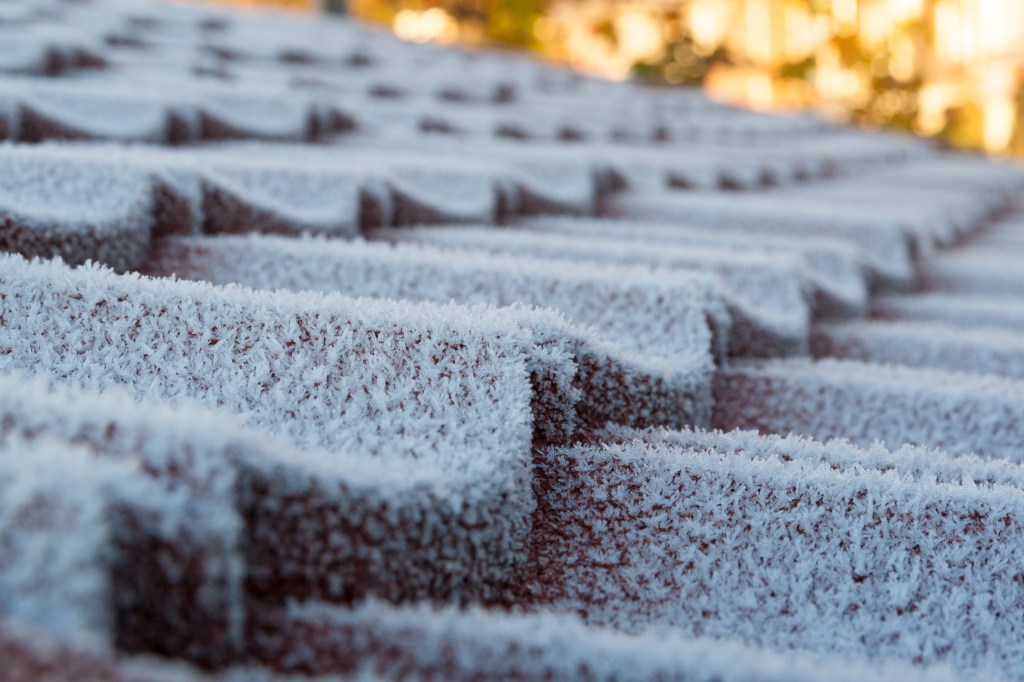
Property owners should remove any dangerous dead branches, maintain walkways and exterior access areas, and ensure inspectors can reach the building safely after heavy snow or ice. Left unaddressed, these problems can lead to significant interior water damage, mold growth, and structural deterioration, resulting in costly repairs, freeze-related losses, and even potential denied claims if policy-required maintenance is neglected. As part of winterizing vacant property, owners should routinely inspect roofs, clear gutters, and maintain weatherproofing systems to reduce exposure to winter-related losses.
Taking this broader approach to cold weather risk management for vacant property helps protect the building from multiple sources of damage and demonstrates proactive risk control to underwriters.
Adding Antifreeze To P-Traps, Drains, And Toilet Tanks
Even after the plumbing system has been drained, some water may remain in P-traps, toilet bowls, toilet tanks, and other fixtures. Where appropriate, non-toxic antifreeze formulated specifically for plumbing winterization may be added to help protect this residual water from freezing. Automotive antifreeze should never be used because it is toxic and is not intended for plumbing systems.
The correct product and quantity depend on the fixture, plumbing configuration, and local requirements. A licensed plumber can determine whether adding antifreeze is appropriate, complete the work properly, and help avoid damage to seals, wastewater systems, or connected equipment.
Contractors, Realtors, and Other Visitors Can Undo Winterization
Even when a vacant property has been carefully winterized, occasional visitors can unintentionally create new risks that lead to costly property damage. Real estate showings, contractor work, inspections, and maintenance visits often require temporary changes to building systems, but those changes can undermine freeze protection if proper procedures are not followed. Water shutoffs may be turned back on and left active, thermostat settings may be adjusted, and access panels or cabinet doors that help circulate warm air around plumbing may be closed without realizing the impact.
In some cases, winterization measures such as adding antifreeze to traps, drains, or other plumbing components may be altered or overlooked after a visit. These seemingly minor actions can increase the likelihood of frozen pipes, water intrusion, and significant damage throughout the building. To reduce this exposure, property owners should establish clear entry protocols, post signs near toilets, faucets, shutoff valves, thermostats, and other winterized equipment, and document any temporary system changes. After every visit, the responsible party should verify that cabinet doors, heat settings, water valves, alarms, and other protective measures have been restored.
Security also supports freeze protection by reducing the risk that unauthorized visitors will damage the property, adjust controls, leave doors or windows open, or interfere with utilities. Alarm systems, surveillance cameras, motion-activated exterior lighting, secure doors, and selected interior lights can help deter trespassers, squatters, vandalism, and break-ins while alerting owners to activity that may compromise the winterization plan.
Underwriters Want Evidence, Not Just Good Intentions
Insurance coverage for freezing and resulting water damage depends on the individual policy. Many standard homeowners policies contain vacancy provisions that may restrict or exclude certain losses after a property has been empty for a specified period, often 30 or 60 consecutive days. Other policies may continue freezing coverage only if the owner maintains heat or shuts off and properly drains the plumbing system. Owners should review the actual wording with their insurer or broker rather than assuming one vacancy rule applies universally.
When a freeze-related claim occurs, underwriters and claims adjusters are often looking for more than assurances that a property was properly winterized. They want documentation showing that protective measures were actually implemented, maintained, and monitored throughout the vacancy period. Inspection logs, thermostat and heating records, maintenance reports, photographs of water shutoff positions, sensor alerts, and contractor service invoices can all help verify that the owner followed policy requirements and took appropriate preventive steps to reduce risk. Records relating to the fire sprinkler system, fuel levels, alarm status, smoke detectors, and remote temperature monitoring may also be relevant when these systems form part of the property’s winter protection plan.
Records demonstrating inspections of electrical systems, heating equipment, and other critical building components can further support a claim by showing that essential systems were regularly monitored. This documentation creates a clear record of the actions taken to protect the property during the coldest months of the year and can be invaluable if questions arise during the claims process. By maintaining thorough records, property owners strengthen their proof of winterization for insurance, demonstrate proactive risk management, and improve their ability to support freeze damage claims for vacant homes while helping to prevent costly water intrusion and structural damage.

A Documented Freeze Plan Helps Protect Insurance Coverage
The most effective approach to vacant property freeze protection combines multiple layers of protection throughout the winter season to reduce winter property damage and help owners satisfy the conditions attached to their insurance coverage. Maintaining appropriate heat settings where water remains active, shutting off and draining plumbing systems when practical, ensuring proper insulation around vulnerable pipes, utilizing smart monitoring technology, and following a consistent inspection schedule all contribute to a stronger risk management strategy. Property owners should also follow manufacturer’s instructions for heating equipment, monitoring devices, and winterization products to help ensure they perform as intended during extreme weather conditions.
In addition, alarm systems and remote monitoring systems can provide early warnings of temperature drops, power failures, unauthorized access, water leaks, and other conditions that could cause severe damage before the next physical inspection. Just as important, every step should be supported by clear records, including inspection logs, sensor alerts, maintenance reports, and service documentation. Underwriters are far more comfortable when they can see that freeze protection is not a one-time task completed before winter arrives, but an ongoing process backed by verifiable evidence. By blending preventive measures with continuous oversight and documentation, property owners can reduce the likelihood of costly losses, improve compliance with insurance requirements, and strengthen their proof of winterization for insurance if a claim arises.
Sources:
https://getcertain.ca/vacant-property-insurance-winter/
https://insurely.ca/blog/what-is-unoccupied-house-insurance
https://www.ultrawest.ca/learning-center/the-hidden-risk-of-vacant-properties-in-winter
https://bradfordturner.com/blog/insuring-seasonal-homes-and-cabins-for-winter-weather/
https://www.treg.com/blog/protecting-vacant-property-in-cold-weather/
https://reinsurepro.com/shield-investment-properties-from-winter-risk-pt-2/