
Effective Storefront Glass Protection for Vacant Property Security
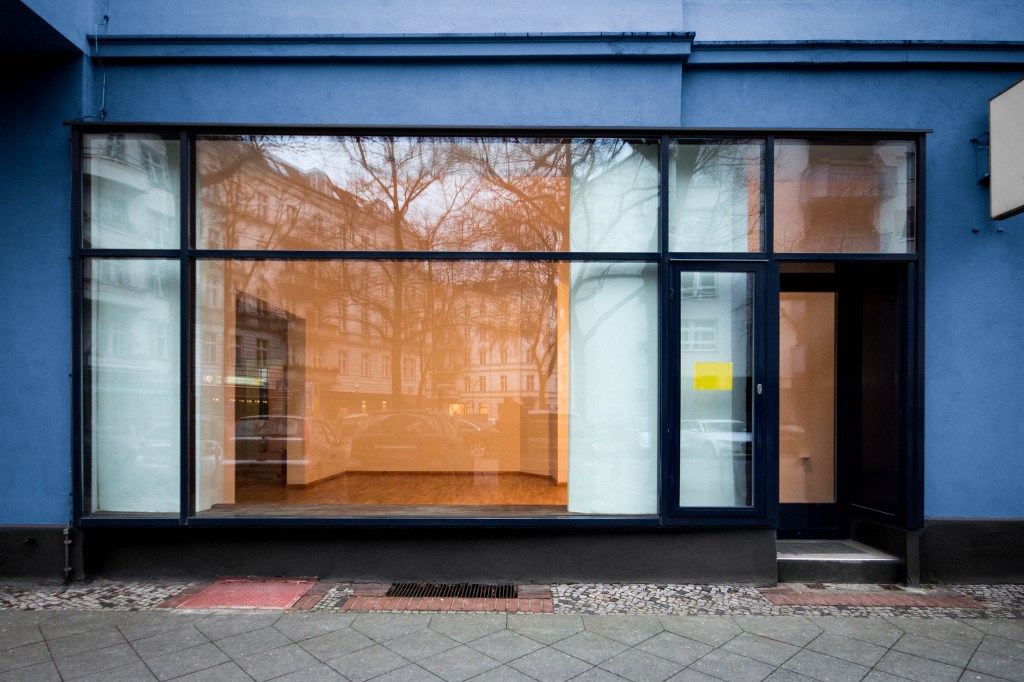
Why Storefront Glass Protection for Vacant Property Matters
When a retail space sits vacant, its storefront glass instantly becomes one of the property’s greatest vulnerabilities. Unlike an occupied store with employees, customers, changing lights, and daily activity that naturally deter unwanted behavior, an empty storefront offers fewer visible signs of oversight. This makes the glass frontage a prime target for smash-and-grab theft, vandalism, severe weather impacts, and unauthorized entry after hours. For property owners, landlords, and retail managers, investing in storefront glass protection vacant property solutions is not just about securing an empty space. It is about preserving property value, minimizing repair costs, and maintaining a professional appearance until the next tenant moves in.
Many municipalities require vacant properties to remain securely maintained, although the exact standards vary by location. Owners may be responsible for securing doors and windows, preventing unauthorized entry, correcting unsafe conditions, and maintaining an exterior appearance that does not contribute to neighborhood decline.
Decorative storefront coverings can improve appearance while reducing visibility into vacant interiors. Printed graphics, leasing displays, artwork, or professionally designed opaque coverings can conceal empty fixtures and building systems without making the property look abandoned.
Effective vacant retail storefront security measures, including security film, rolling grilles, a security gate, and protective shutters, provide critical layers of defense against criminal activity and environmental threats. The most effective solution often depends on factors such as proper installation, the property’s store layout, and the type of glass in place, including tempered glass, which may offer different performance characteristics under impact. Together, these solutions support retail glass break-in prevention, helping safeguard vacant retail properties while reducing the risk of costly damage, downtime, and liability.
Security Solutions Start with Delay, Visibility or Full Closure
Before choosing a storefront glass protection solution, property owners should first identify the primary objective: delaying unauthorized entry, maintaining visibility, or achieving full closure. Different security products are designed to address different risks and operational needs, and factors such as foot traffic, location, and exposure during off hours can significantly influence the best choice. For example, security window film supports storefront window hardening by helping damaged glass remain together and delaying forced entry attempts while preserving natural light and visibility. This makes it an attractive option for retailers that want to protect visibility and maintain an inviting storefront presence.
In contrast, storefront security barriers such as rolling grilles and security shutters offer a higher level of physical protection by creating a visible obstacle between the storefront and potential threats. These systems are often preferred when the goal is complete closure after hours, extended vacancies, or added defense during severe weather events and other high-risk periods. As part of a layered security for empty retail strategy, combining multiple protective measures can help owners protect their business, balance visibility with security, and address the unique risks their vacant storefront faces.
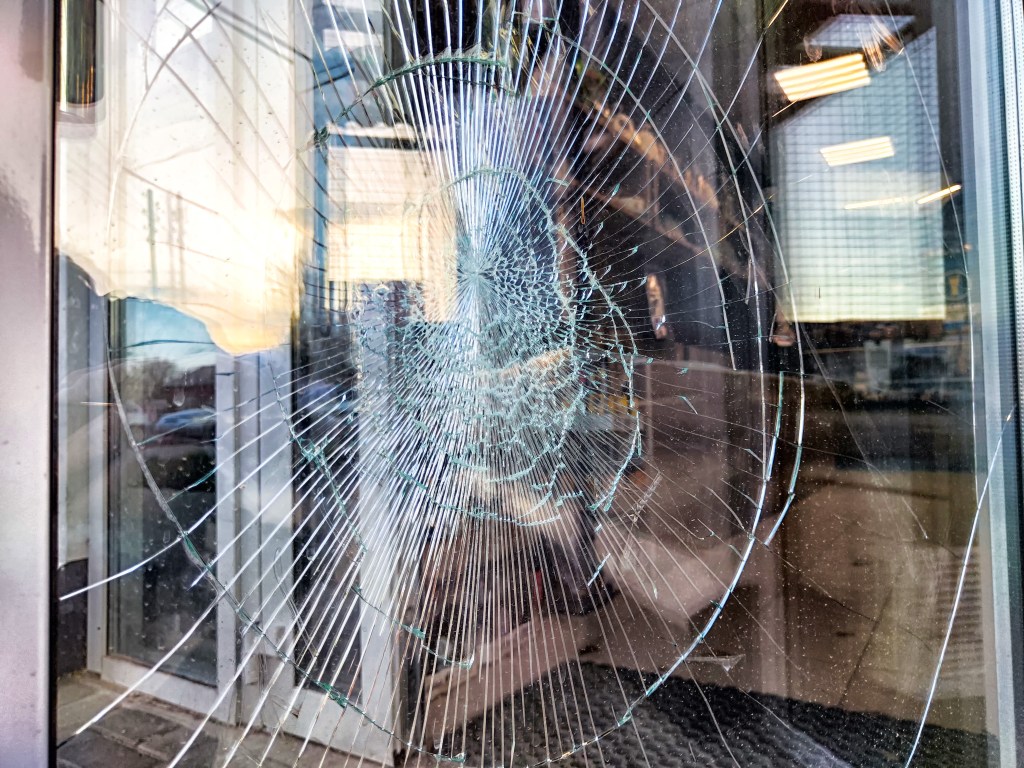
Security Window Film Can Delay Forced Entry at Retail Storefronts
Security film is often the most practical first step for property owners seeking stronger storefront security without dramatically altering the appearance of the building. As a security window film for storefronts solution, it is applied directly to existing glass, preserving visibility, natural light, and the overall aesthetic of the storefront while enhancing protection. Its greatest advantage is delay. Even when glass cracks under impact, the film’s adhesive and polyester interlayer hold broken pieces together, making it more difficult to create an immediate opening. The interlayer holds the damaged glass within the filmed surface for longer, although performance depends on the film, glass, frame, attachment system, installation, and force of the attack. This added resistance can turn a simple one-hit break into a noisy, time-consuming event that attracts attention and discourages opportunistic criminals.
For vacant retail spaces, security film serves as an effective retrofit glass protection retail option, delivering enhanced security without the expense or visual impact of more extensive physical barriers. Choosing the right solution depends on a property’s specific needs, risk level, and operational goals, but security film is often a smart first investment because it supports security while maintaining a professional appearance and smooth operation of the storefront. When paired with expert service and proper installation, security film offers an effective balance between aesthetics, functionality, and protection.
Installation of security window film can often be completed within a day for a modest storefront, but timing depends on the amount of glass, site access, film type, preparation requirements, attachment system, and curing conditions. Larger retail stores or more complex retail applications may require additional time.

Film Is Not Magic — It Buys Time, Not Invincibility
Security film is a highly effective security upgrade, but it is important for property owners to understand both its strengths and its limitations. The primary benefit of security film is buying time, not creating an impenetrable barrier. When impacted, treated glass can still crack or break, but the film helps hold shattered pieces together and keeps the opening intact for longer. Smash-and-grab thefts are designed to happen quickly, and some security sources describe attacks occurring within approximately 30 to 60 seconds. The purpose of film is to interrupt that rapid timeline by making it harder to create a usable opening. This added delay is essential because it gives alarm systems more time to activate, increases the likelihood of a security response, and may encourage intruders to abandon the attempt when entry becomes more difficult than expected.
Advanced security films are engineered to absorb and distribute impact energy while helping hold broken glass together. Products such as 3M Scotch shield are marketed for this purpose, but owners should compare tested performance, film thickness, edge-attachment systems, warranties, and compatibility with the existing glass rather than selecting a solution by brand name alone.
For vacant retail properties, this added resistance can strengthen smash-and-grab protection storefront strategies by making quick-entry attacks less predictable and more challenging to execute. However, when comparing security film vs shutters, owners should recognize that film is a delay-focused solution, while shutters provide a physical barrier that completely covers the opening. Every property has unique needs, and the most effective security plan will depend on factors such as risk exposure, vacancy duration, and how the location must continue to operate during the vacancy period. Security film should therefore be viewed as one layer of a broader storefront vandalism protection strategy, often delivering the best results when combined with additional security measures for comprehensive protection.
Anti-Graffiti and Multi-Function Films Add Value on Street-Facing Retail
For many vacant retail properties, the greatest risk is not always a forced break-in, but the ongoing damage caused by graffiti, scratching, and glass etching. This is particularly common for storefronts located on busy urban corridors where visibility can attract unwanted attention. In these environments, anti-graffiti window film retail solutions provide a practical way to protect existing storefront glass and windows while reducing maintenance and replacement costs.
These specialized films act as a sacrificial layer made from durable materials that absorb damage and can be replaced more easily than the glass itself. At the same time, they contribute to storefront vandalism protection by helping preserve the appearance of the property and discouraging repeat acts of damage. Many multi-function products also serve as security window film for storefronts, delivering intrusion-delay benefits while reducing UV exposure and solar heat gain. By selecting the right level of protection for a property’s risk profile, owners can combine multiple protective features into a single upgrade, creating a cost-effective solution that safeguards both the appearance and security of street-facing retail spaces.
Roll Up Security Grilles Protect Retail Stores While Preserving Visibility
Roll up security grilles create a dedicated physical barrier rather than relying on the storefront glass itself. When lowered, a rolling security grille restricts access while allowing visibility, ventilation, and light through the opening. When stored in the open position, the grille coils above or beside the opening so customers, contractors, or prospective tenants can enter without a permanent barrier obstructing the storefront.
The right grille design depends on opening width, available headroom, mounting location, desired visibility, locking method, daily operation, and architectural appearance. Different retail applications may call for open-pattern grilles, perforated designs, heavier-duty construction, or a more decorative finish.
At the same time, the grille functions as one of the most effective storefront security barriers, restricting unauthorized access and creating a substantial obstacle that makes quick break-ins far more difficult and time-consuming. For vacant retail spaces, this combination of visibility and enhanced physical protection can help deter criminal activity while maintaining the professional look of the storefront, making security grilles a practical middle-ground solution between unobstructed glass and full solid-shutter closures.
Compact-coiling products may be useful where ceiling space is limited. For example, the Visionaire MicroCoil Grille is promoted as requiring as little as 15.5 inches of headroom in certain configurations. Actual clearance and mounting requirements should be confirmed from the current manufacturer specifications and by the installer for the specific opening.
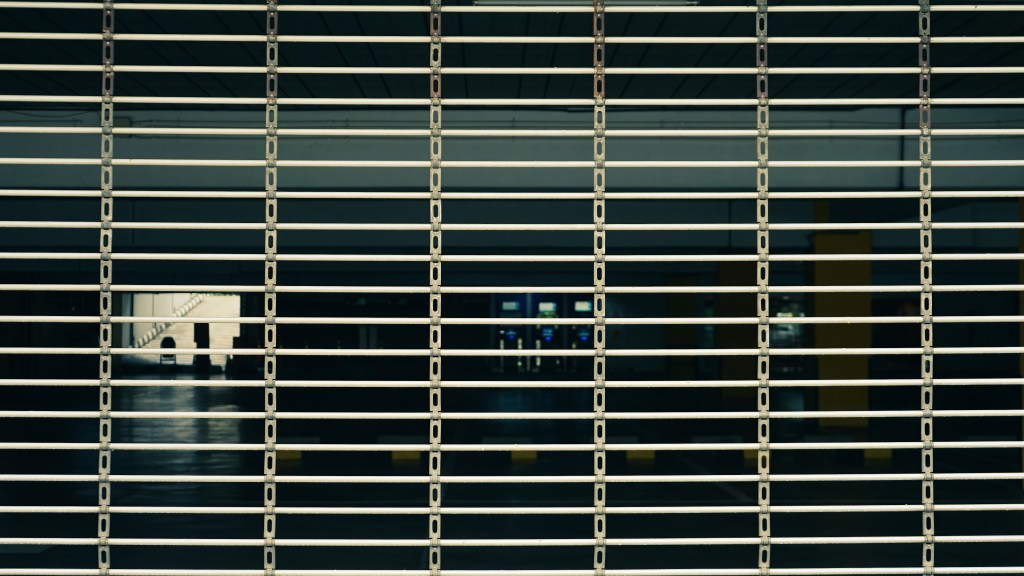
When A Rolling Security Grille Fits Retail Applications
While security grilles provide a stronger physical barrier than security film, they are not the ideal solution for every vacant retail property. Their effectiveness often depends on the location, design goals, and level of exposure of the storefront. Although security grilles for shopping centers can be highly effective in controlled retail environments, they may partially reduce visibility, impact curb appeal, and leave the glass behind them vulnerable to cracking or vandalism.
For this reason, a rolling security grille is often well suited to interior malls, shopping centers, service counters, and other retail applications where access control and visibility are both important. It may be less suitable for retail storefronts where exposed exterior glass remains vulnerable to impact, graffiti, or severe weather. Many businesses find that grilles perform best when incorporated into broader security protocols that address both physical and operational risks. When evaluating security film vs shutters and other protection options, property owners should consider how each solution affects both security and appearance. For organizations seeking maximum security, grilles frequently work best as part of a layered approach that balances physical protection, visibility, aesthetics, and long-term property value based on the specific risks facing the location. This strategy helps deliver more comprehensive vacant commercial storefront security while supporting the unique needs of each property.
A Security Gate or Roll-Down Shutter Provides Full Coverage
When maximum protection is the primary goal, roll-down shutters for retail are often the most comprehensive solutions available for vacant storefronts. Unlike security film or grilles, shutters provide complete coverage over the glass line, creating a solid physical barrier that helps prevent unwanted entry while shielding the storefront from environmental hazards. This full-coverage design makes shutters particularly valuable for storefront glass protection vacant property applications, especially in locations exposed to severe weather, recurring vandalism, civil unrest, or extended periods without on-site staff. By covering the glass entirely, shutters act as a durable protective layer that reduces the risk of break-ins while also delivering impact-resistant storefront protection against flying debris, storm damage, and other external threats.
For owners of vacant retail stores, a shutter or security gate may be appropriate when maximum protection and long-term durability take priority over visibility. The final selection should account for opening dimensions, emergency-egress requirements, fire codes, electrical operation, manual release mechanisms, and access for authorized personnel. They offer a higher level of security and resilience, making them an ideal choice when safeguarding the storefront outweighs the need to maintain visibility after business hours.
Shutters Bring Tradeoffs Owners Should Accept Up Front
While roll-down shutters provide one of the highest levels of storefront protection, property owners should understand the tradeoffs before choosing them as a long-term security solution. By design, shutters block natural light, eliminate after-hours visibility, and can make a vacant storefront appear completely closed, which may not align with every property’s leasing or marketing goals. Their effectiveness also depends on consistent use, since shutters only provide protection when they are fully deployed and properly secured over each storefront door and window opening. When comparing security film vs shutters, owners should recognize that each option serves a different purpose, with film preserving visibility and shutters prioritizing complete coverage.
Many shutter systems are constructed from durable steel and other heavy-duty materials, creating a strong physical barrier against unauthorized access and environmental threats. However, while shutters are among the most effective storefront security barriers, determined intruders may still attempt to tamper with or pry at shutter systems. Property owners should also consider the available design options, as different styles can affect both aesthetics and functionality across the building. For that reason, shutters should be viewed as one component of a broader vacant retail storefront security strategy rather than a standalone solution. The most effective approach often combines shutters with alarm systems, remote monitoring, and regular site inspections to create a more comprehensive level of protection.
Polycarbonate Shields Add Protection for High-Risk Retail Storefronts
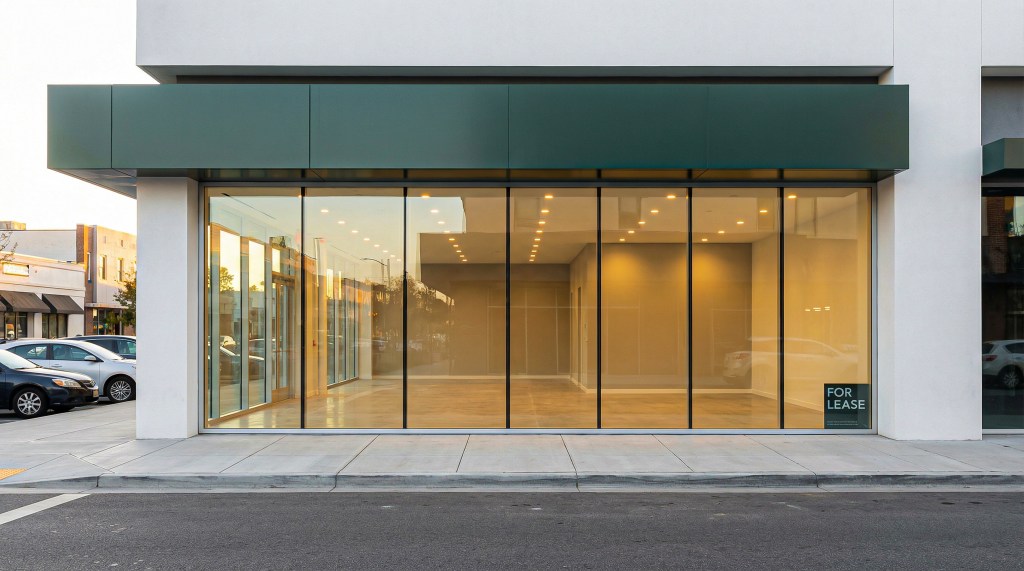
For vacant retail properties that face a higher risk of break-ins or repeated attacks, traditional security measures may need to be supplemented with stronger glazing solutions. Clear storefront security glazing systems, including polycarbonate and aluminum-framed retrofit security panels, are designed to maintain visibility while providing significantly greater resistance to repeated impacts and forced-entry attempts than film alone. These systems are particularly valuable for properties with costly tenant improvements, sensitive equipment, or extended vacancy periods where the consequences of a breach can be substantial. As a form of retrofit glass protection retail, they can often be installed without dramatically changing the appearance of storefront doors and windows, allowing owners to preserve curb appeal while enhancing security. With a range of customizable features and installation options available, property owners can select solutions that align with their security objectives and budget requirements. By combining transparency, durability, professional service, and advanced storefront window hardening, these upgraded glazing systems provide an additional layer of protection for vacant retail spaces that require more than conventional film, grilles, or shutters can offer on their own.
The Best Choice Usually Follows the Exposure, Not the Product Pitch
The best storefront protection strategy is usually determined by the property’s specific exposure rather than by any one product category. A street-facing boutique store in a high-theft area may require different safeguards than an interior mall location, while a storefront in a storm-prone region may justify stronger physical protection from the outset. When evaluating storefront glass protection vacant property solutions, property owners should consider the unique risks posed by theft, vandalism, weather, vacancy duration, and the need to maintain a welcoming appearance for future customers. Security films often stand out for affordability, quick installation, and the ability to strengthen existing glass with minimal visual impact, while grilles provide a visible barrier in environments where maintaining visibility remains important.
Shutters excel when complete closure and storm preparedness are top priorities, and advanced glazing systems, including polycarbonate shields, offer enhanced resistance for high-risk locations requiring long-term protection. In many cases, the most effective approach is a layered security for empty retail strategy that combines multiple defenses to address different threats. By matching security investments to actual risk exposure, owners can create more effective vacant commercial storefront security while balancing appearance, functionality, and budget. Owners can also request more information or a quote based on their property’s exposure and budget.
Layered Security Is What Makes Storefront Protection Actually Work
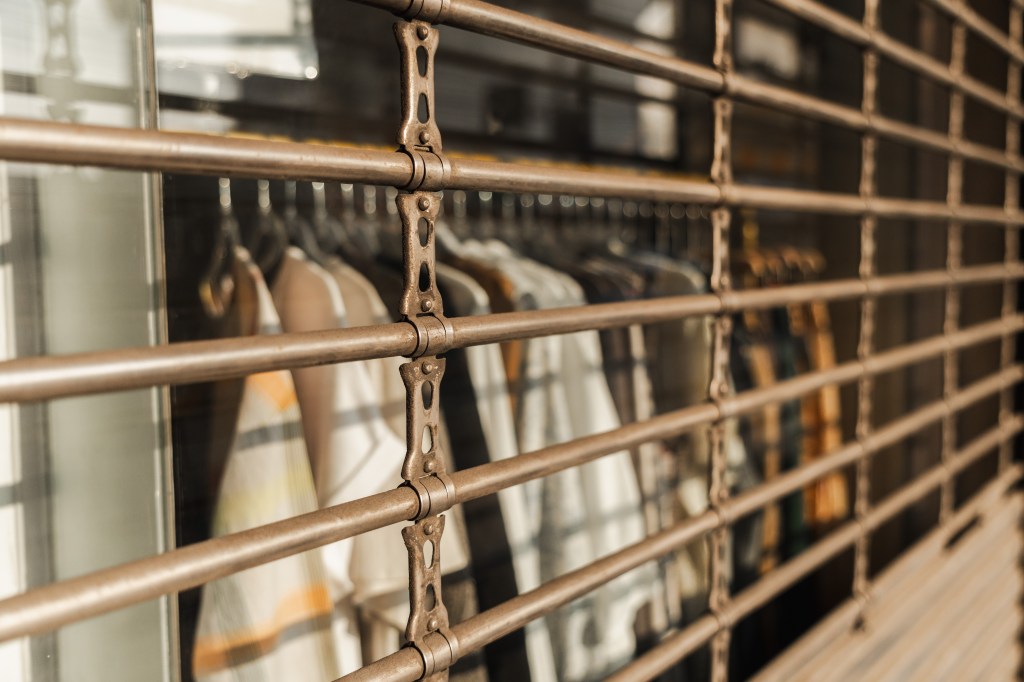
Ultimately, effective layered security for empty retail is what transforms individual security products into a truly effective protection strategy. Whether protecting a vacant store or a larger commercial building, no single solution should be expected to carry the entire burden of risk reduction. Physical storefront security barriers, including grilles, shutters, and reinforced systems made from durable steel, can slow intruders, reduce damage, and strengthen vulnerable entry points. They can also help protect valuable merchandise and interior assets from theft and vandalism.
However, the most successful security plans combine these physical defenses with alarm systems, video surveillance, security patrol awareness, adequate lighting, and routine property inspections. This multi-layered approach makes a storefront not only more difficult to breach but also far more difficult to target without detection. For property owners focused on long-term vacant retail storefront security, combining glass protection with active monitoring and ongoing oversight provides the strongest defense against theft, vandalism, weather-related damage, and costly insurance claims.
Sources:
https://www.riotglass.com/storefront-security/
https://www.cooksondoor.com/applications/retail
https://epdwindowfilm.com/blog/cost-effective-ways-to-secure-retail-storefronts/
https://www.ngs.inc/storefront-window-film-for-retail-shops-restaurants-more/
https://www.riotglass.com/who-we-serve/retail-storefronts/
https://americanwindowfilm.com/blog/safety-and-security-film-for-business
https://www.defenselite.com/markets/retail/