
Your Essential Seasonal Vacancy Risk Calendar for Property Management
A Seasonal Vacancy Risk Calendar Starts with One Simple Truth: The Threat Keeps Moving
Vacant properties do not face the same risks all year long. As the seasons change, so do the vulnerabilities that demand an owner’s attention. Winter may bring frozen pipes, heating concerns, and roof leaks, while spring introduces thaw-related issues, drainage challenges, and water intrusion risks. Summer often shifts the focus to overgrown vegetation, severe weather, exterior maintenance, and other safety hazards that can threaten an unoccupied building.
A seasonal vacancy risk calendar is a month-by-month plan that maps when an empty property is most exposed to weather, security, and maintenance risks. For rental properties, it can also map predictable tenant turnover and rental demand, showing when units are most likely to sit empty. Following one helps owners stay ahead of changing exposures, schedule repairs and inspections before seasonal risks become costly losses, and shift from reacting to damage toward proactive, year-round vacant property risk management.
January and February: Protect a Vacant Property From Winter’s Harshest Conditions
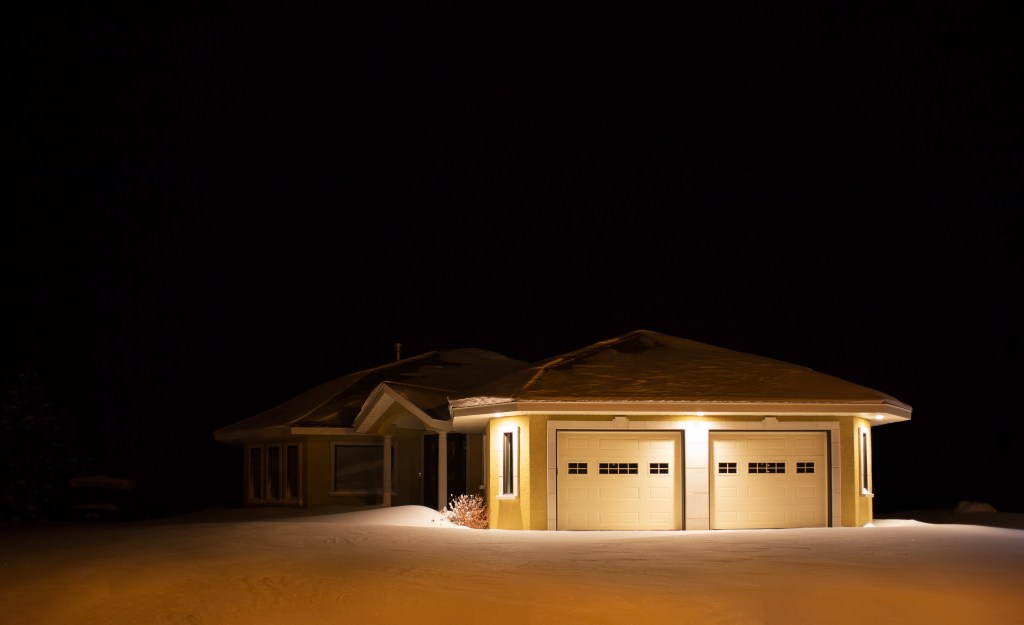
January and February can be especially demanding months for a vacant property, as prolonged freezing temperatures, winter storms, and snow accumulation place added stress on plumbing systems, heating equipment, roofing, walkways, and foundations. Heavy snow and ice accumulation can add significant weight to the roof and lead to structural damage if it is not cleared promptly. Understanding the winter risks for vacant homes is essential because, without occupants present, issues such as heating failures, burst pipes, roof leaks, or water intrusion may go unnoticed for extended periods, allowing damage to escalate before it is discovered.
In colder climates, burst pipe prevention strategies for vacant homes can play a critical role in protecting the building. Owners can either keep the heat on, with the thermostat set to around 60°F to protect pipes from freezing or shut off the main water supply and drain the system completely. Regular property inspections, prompt snow and ice management, and thoughtful vacant property winterization measures help owners identify problems early, reduce losses from winter storms, and maintain coverage by meeting insurer requirements for vacant properties. Taking these proactive steps can help keep an unoccupied building better protected throughout the harshest months of the year.
March and April: Seasonal Changes Reveal What Winter Left Behind
March and April bring warmer temperatures, but for a vacant property, spring can reveal damage that developed or remained hidden throughout the winter weather season. A thorough spring inspection plan can help property managers and owners identify roof damage such as missing or loose shingles and failed flashing, deteriorated siding, foundation cracks, blocked drainage systems, and plumbing issues caused by melting snow and repeated freeze-thaw cycles.
With no occupants on site to spot early warning signs, even minor defects can escalate when spring rain arrives, making vacant home water damage prevention a critical priority. Spring inspections should also evaluate the property’s structural integrity, ensuring that roofs, foundations, and exterior building components have not been compromised by harsh winter weather.
In addition, seasonal maintenance should include securing or inspecting outdoor furniture and other exterior items that may have been damaged or displaced during the winter months. Addressing winter-related damage, clearing drainage pathways, and checking for signs of water intrusion should all be part of a proactive maintenance strategy before spring conditions turn small issues into costly repairs.
Spring Is Also When Overgrowth and Pest Infestations Start Working Against You
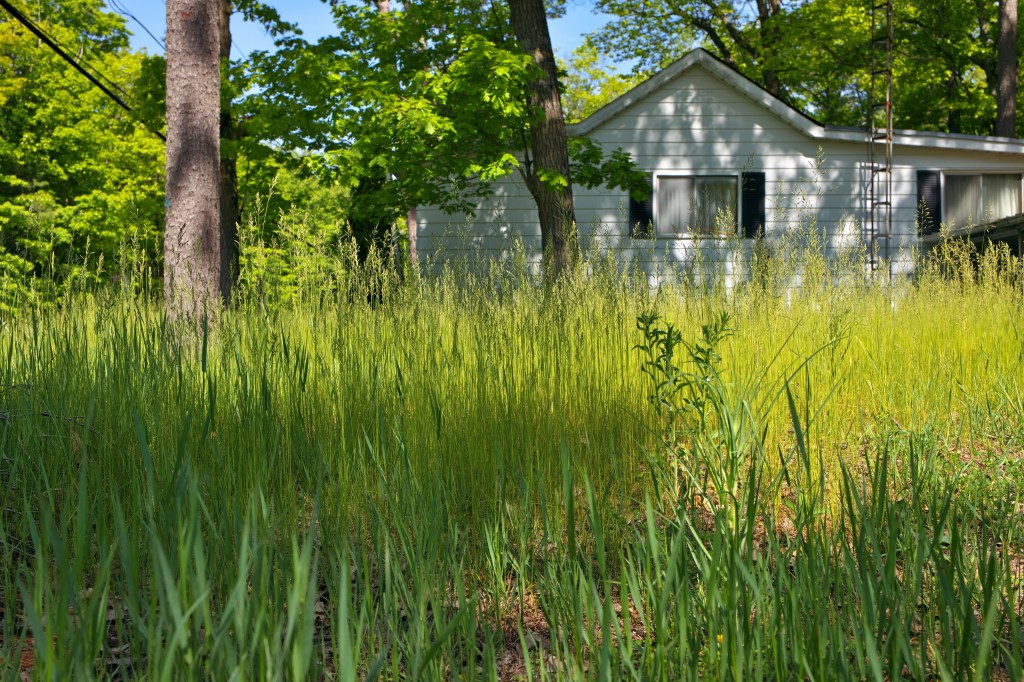
As temperatures rise, the risks surrounding a vacant property change along with the landscape, making vacant property seasonal maintenance increasingly important. Vegetation grows rapidly, winter debris accumulates around the building, and animals and insects may find an undisturbed property especially inviting. Spring is an ideal time to clear leftover sand, salt, and debris from snow removal, inspect drainage systems for sediment buildup, and remove leaves and branches that collected over the winter.
Scheduling regular lawn care and professional pest control early in the season helps in two ways. It keeps overgrowth from signaling that the building is empty, and it stops pest infestations before rodents or insects can nest inside walls, attics, or crawlspaces.
Trimming shrubs and tree branches away from the structure, removing combustible materials, and maintaining defensible space around the property can help reduce fire risk as conditions become warmer and drier. Spring property checks should extend beyond the roof, plumbing, and foundation to include the entire site, from exterior grounds and drainage areas to signs of pest activity and environmental hazards. By paying attention to changes both inside and outside the property, owners can better address seasonal risks and protect vacant buildings as part of a comprehensive, year-round maintenance plan.
May and June: Address Safety Hazards and Seasonal Risks Early to Reduce Repair Costs
May and June provide vacant property owners with an important opportunity to shift from identifying problems to addressing them, making summer maintenance for empty buildings a critical part of seasonal upkeep. More stable weather can make it easier to complete roof repairs, replace or seal damaged windows, repair exterior surfaces and concrete, tackle painting projects, and correct other issues uncovered during spring inspections. This is also an ideal time to inspect building systems and equipment to ensure they are working properly, helping owners identify deficiencies before they lead to larger problems.
Rather than allowing inspection findings to remain on a maintenance list, early summer can serve as a practical repair window within a broader vacant property maintenance strategy. Addressing maintenance concerns promptly helps eliminate potential safety hazards, reduce future repair costs, and support compliance with vacant property requirements that may be outlined in certain insurance policies. Taking advantage of favorable conditions to complete necessary work helps owners close maintenance gaps before harsher weather returns while keeping their year-round vacant property checklist on track.
July and August: Stay Vigilant with Security Services During Quiet Summer Months
July and August may bring calmer stretches of weather, but that does not mean the risks to a vacant property disappear. In fact, quiet summer conditions can create a false sense of security while break-ins, theft, vandalism, water leaks, pest activity, and unnoticed maintenance issues continue to develop, making seasonal security for empty properties an ongoing priority.
Without occupants present to spot changes quickly, small problems can remain hidden and become more serious over time. Maintaining a consistent vacant property inspection schedule can help owners identify vulnerable entry points and detect signs of unauthorized entry before they lead to larger losses. Professional security services with active monitoring add another layer of protection by alerting the owner or responders as soon as a door, window, or motion sensor is triggered. Smart light switches or timers that turn lights on in the evening can also make an empty building look occupied, which helps deter break-ins.
Routine inspections should also include checking plumbing systems for proper water pressure and evaluating water quality to help identify leaks, stagnation, or other issues that may develop in an unoccupied building. Summer heat and humidity also raise the risk of mold growth in a closed-up building. In a vacant unit with poor air circulation, mold can grow within 2 to 4 weeks, even without a leak. The EPA recommends keeping indoor relative humidity below 60%, so checking humidity during summer visits and running a dehumidifier or air conditioning when needed helps keep conditions in a safe range. Combined with exterior upkeep, mail removal, security system checks, and alarm testing, these measures can help reduce gaps in oversight.
Keeping up with off-season property maintenance ensures that pleasant weather does not lead to reduced attention when the property still requires year-round care.
Late Summer: Why Property Managers Should Focus on Winter Readiness Before Fall Arrives
Late summer offers vacant property owners a valuable opportunity to prepare for the colder months while weather conditions are still favorable for repairs and maintenance. Instead of waiting for fall or the first cold snap to expose unfinished work, owners can use this period to address fall preparation priorities such as roof repairs, heating system service, drainage corrections, tree trimming, and other winter-readiness projects identified earlier in the year.
Taking action now can help uncover and resolve potential safety issues before they worsen. The cost of waiting can be steep: remediation after neglected vacancy maintenance, such as frozen pipes, water damage, or mold, can run anywhere from $15,000 to $50,000, depending on the extent of the damage. Building these preparation windows into a seasonal maintenance plan helps turn winter readiness into a proactive process rather than a last-minute response.
Property owners may also benefit from coordinating with trusted neighbors who live nearby, or hiring professional services such as a property management or inspection company, to help monitor the property and report concerns as seasonal conditions begin to change. The goal is to enter fall with a short, manageable vacant property winterization list instead of discovering a long list of unresolved repairs when colder weather has already arrived.
September and October: Think Roof, Gutters, Trees, Heat, and Water
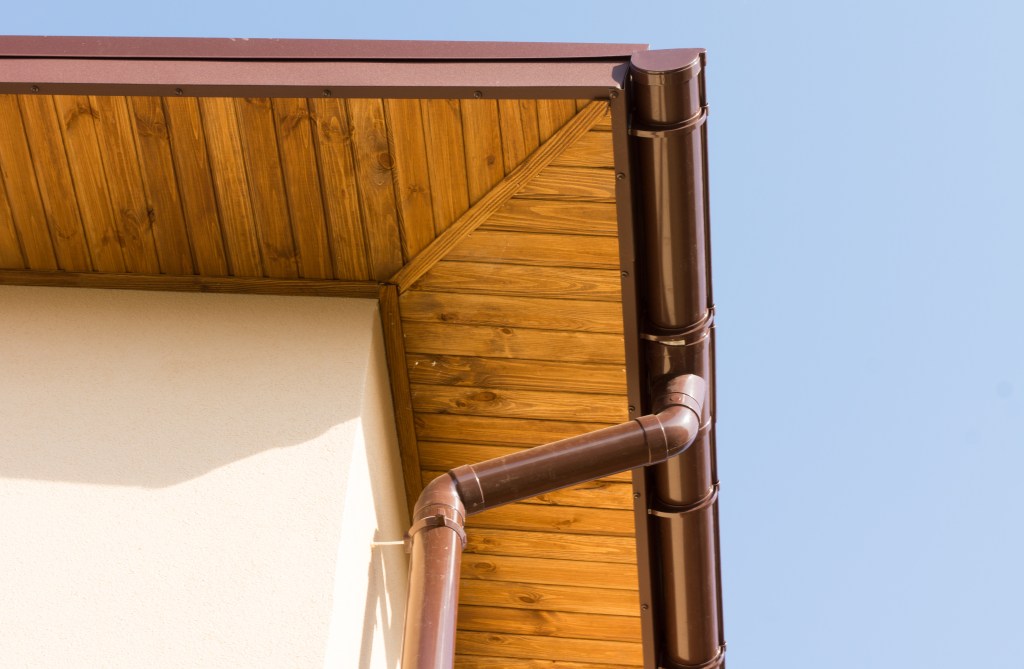
September and October mark an important transition for vacant properties, making fall preparation a key priority as summer maintenance shifts toward winter readiness. For properties that are not currently lived in, especially those located in colder climates, seasonal maintenance should focus on addressing vulnerabilities before changing weather conditions can make them worse. As leaves begin to fall and temperatures cool, owners should clear gutters and drainage areas, have the HVAC system serviced and filters replaced, address roof or exterior weaknesses, and trim vulnerable trees or branches to keep the property in good shape ahead of snow, ice, and severe weather.
Fall is also the ideal time to finalize plans for protecting water lines and plumbing systems, making frozen pipe prevention an important component of winter preparation. Finishing these tasks before temperatures drop leaves the final weeks before the first freeze for shutting down water systems and confirming that heat, alarms, and monitoring are in place.
The First Freeze Matters More Than the Calendar Date: Plan Ahead to Prevent Frozen Pipes
For vacant property owners, climate-specific property maintenance means winter preparation should be guided by local conditions, not simply by a date on the calendar. The arrival of the first frost or hard freeze can vary based on location, elevation, and climate, which means a one-size-fits-all winterization schedule may leave some properties exposed for too long.
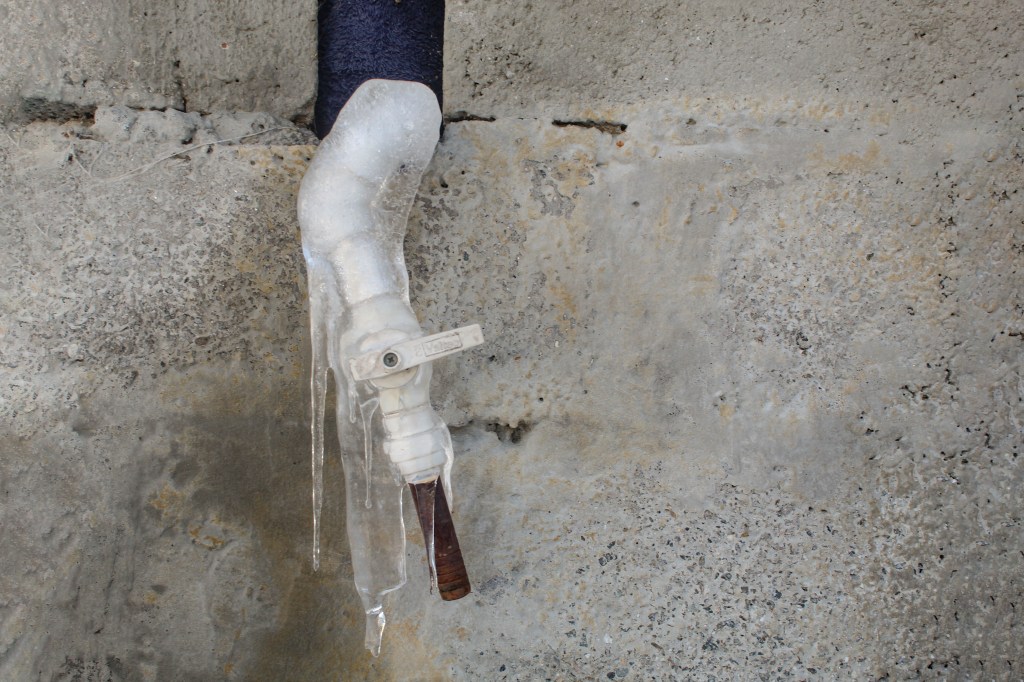
Instead, owners should plan backward from typical local freezing conditions and complete key preparations before temperatures become a threat to plumbing, heating systems, and other vulnerable components. This includes steps to prevent frozen pipes, such as shutting off the main water valve, draining all plumbing lines by opening faucets and flushing toilets, and having a plumber blow out any remaining water from the lines. Owners should also unplug appliances that do not need power over the winter, clean gutters and drainage systems to keep water flowing, and inspect potential entry points that could allow water intrusion, pests, or unauthorized access. Sealing gaps around doors, windows, vents, and utility lines deters pests looking for winter shelter and prevents heat loss in buildings where the heat stays on.
For those managing properties across multiple regions, tailoring a seasonal vacancy risk calendar to each location can help ensure every building receives the appropriate winterization measures when they are needed, rather than relying on the same timeline across an entire portfolio. By proactively addressing local weather patterns and seasonal risks, owners can better protect vacant properties throughout the winter season.
November and December: Winterization Becomes a Monitoring Job
By November and December, winter preparation for a vacant property shifts from getting ready to ensuring that all protective measures remain effective throughout the season. Proper winterization requires ongoing attention to help safeguard the building from cold-weather damage and other seasonal risks. Staying alert to winter risks for vacant homes means verifying that heating systems remain operational where needed, confirming that the water supply is configured according to the property’s winterization plan, ensuring alarm and detection systems continue functioning, and addressing snow and ice conditions around the property.
Maintaining a consistent vacant property inspection schedule is especially important because an empty building has no occupants to notice a heating failure, small leaks, or other developing issues before they become major damage. Regular inspections can also support water damage prevention by helping identify concerns early, while confirming that winterization measures continue to prevent freezing of plumbing systems and other vulnerable components. Effective winter risk management does not end once preparations are complete; it requires ongoing monitoring throughout the season to ensure proper winterization measures continue to protect the property during extended periods of freezing temperatures.
Geography and Local Authorities Can Rewrite the Entire Calendar
A seasonal risk calendar should reflect the unique conditions surrounding each property rather than assume every building follows the same four-season pattern. Climate-specific property maintenance recognizes that a northern vacant house may require greater attention to freezing temperatures, snow, ice, and winterization, while a property in a warmer climate may face a very different set of weather-related challenges. Geography, elevation, and local climate can all influence the seasonal risks a property faces, making location-specific planning an important part of year-round vacant property risk management.
Local authorities can add their own seasonal requirements. Many cities and counties have vacant property ordinances that require owners to register empty buildings, keep grass and weeds trimmed during the growing season, clear snow and ice from sidewalks within a set time after a storm, and keep the property secured. Checking with local authorities before each season helps owners add these deadlines to the calendar and avoid fines or code violations.
Maintenance strategies should also account for critical building systems, including plumbing infrastructure and the water heater. If the water heater stays in service, flushing it periodically to remove sediment buildup helps it run efficiently and reduces the risk of leaks. For owners managing multiple vacant properties across different regions, this may mean maintaining several customized seasonal calendars instead of relying on one universal checklist. The goal is to align maintenance, inspections, and preparation efforts with the conditions each property is most likely to encounter, helping preserve property value, reduce risk, and ensure vacant buildings remain protected throughout the year.
Insurance Requirements Have Their Own Calendar Running Beside the Weather
Weather is not the only timeline vacant property owners need to monitor. Seasonal property insurance requirements may also come into play as the length of time a property remains vacant or unoccupied increases, with definitions, requirements, and vacancy periods varying by insurer and policy. Extended vacancy can create different coverage requirements or necessitate arrangements such as vacancy permit insurance, making it important for owners and property managers to understand policy terms and maintain open communication with their insurer.
In addition to weather-related concerns, routine inspections should track risks such as pest infestations, utility system performance, and the condition of critical equipment. For owners managing multiple vacant properties, tracking vacancy duration alongside seasonal inspections, maintenance activities, and weather preparation can help prevent important insurance milestones from being overlooked. A strong seasonal vacancy risk calendar therefore follows two timelines at once: what is happening to the property as the seasons change and how long the property has remained empty.
For Rental Properties, the Leasing Calendar Decides How Long a Unit Stays Empty
For landlords, one of the most effective ways to reduce vacancy risk is to shorten the vacancy itself. Analyzing past occupancy data offers insights into future rental activity and identifies high-risk windows for vacancy based on historical data. Those patterns are often predictable. Tenant behavior is influenced by academic calendars and school schedules, so many moves happen in late spring and summer, while the holiday season typically sees a drop in renter activity. Local economic conditions, such as a major employer expanding or cutting jobs, also affect rental demand throughout the year. For short-term rentals, vacation rental demand often peaks during local tourism seasons, which makes the off-season the most likely time for a property to sit empty.
Lease expirations deserve their own place on the calendar. When too many leases end in the same month, that lease expiration clustering can create cash flow vulnerabilities and leave several units empty at once. Targeted lease expiration management allows for strategic lease structuring, such as offering a 9- or 15-month term so renewals fall in busier months. Proactive marketing efforts can be timed to counter anticipated slow periods, and dynamic pricing strategies, such as modest rent adjustments or move-in incentives, can help avoid vacancies during slow months. Every month a unit stays occupied is one less month it faces the risks covered throughout this calendar.
How Often to Inspect: When Monthly Inspections Are Enough and When They Are Not
Inspection frequency should change with the season and the property’s risk level. Monthly inspections are generally suitable only for low-risk properties, such as a well-secured building in a mild climate with utilities shut down and no recent issues. For most vacant properties, weekly inspections are a safer baseline because they catch leaks, break-ins, and equipment failures before those problems have weeks to grow.
Winter can tighten that schedule further. During freezing weather, some insurers may require inspections as often as every 48 to 72 hours, especially when the heat is left on and pipes remain full of water. Owners should confirm the inspection terms in their policy before each season and build those intervals directly into the calendar.
Every Season Needs a Proof Column
A seasonal vacancy calendar becomes even more valuable when it documents not only what needs to be done, but what was actually completed. Recording vacant property inspections with dated notes, photographs, maintenance invoices, winterization records, alarm checks, and written communications with the insurer creates a clear history of ongoing property oversight.
Documentation should also include routine maintenance activities such as inspecting exterior walls for signs of deterioration, water intrusion, or structural concerns, as well as regularly replacing HVAC filters to help maintain system performance and indoor air quality. Maintaining these records alongside a consistent vacant property inspection schedule can make it easier to track recurring issues, verify completed maintenance, and support efforts to preserve property value over time.
If a future loss, claim, or coverage question arises, organized documentation can provide a valuable record of the steps taken to manage the property, address seasonal risks, and comply with applicable insurance requirements while the property was vacant.
Build the Calendar Around Transitions, Because That Is Where Problems Slip Through

The greatest risk to a vacant property may not occur in the middle of winter or at the height of summer, but during the transition from one season to the next. Spring thaw, the first frost, falling leaves, prolonged heat, and shifting storm patterns can quickly make last season’s maintenance priorities less effective for the conditions ahead. A strong seasonal vacancy risk calendar should therefore function as an early-warning system, prompting owners to conduct inspections at the frequency each season requires, address emerging vulnerabilities, prepare for upcoming weather conditions, and document completed maintenance activities.
These inspections should include reviewing the condition of the irrigation system, verifying that security measures remain effective, and coordinating with a security company when monitoring services are in place. Maintaining a year-round vacant property checklist can help keep these responsibilities organized as conditions and priorities evolve.
By repeating this process throughout the year, vacant property risk management becomes proactive rather than reactive, helping owners stay ahead of changing exposures, protect the property, and reduce the likelihood of discovering costly problems only after damage has already occurred. Working with an agent who understands vacant property coverage can also help owners match the calendar to their policy’s requirements.
Sources:
https://www.wawanesa.com/canada/blog/protect-vacant-property
https://www.waypoint.ca/magazine/protecting-your-seasonal-property-during-the-off-season/
https://www.federato.ai/library/post/essential-vacancy-compliance-maintaining-coverage-on-seasonal-properties
https://cloudrentalmanager.com/seasonal-maintenance-planning-for-rental-properties-a-year-round-rental-property-maintenance-checklist/
https://www.intact.ca/en/personal-insurance/home/cottage-insurance/seasonal-vs-secondary-residence-understanding-the-differences
https://firstmarkinsurance.com/what-to-know-about-seasonal-home-insurance/
https://nreig.com/come-one-come-fall-seasonal-prep-for-your-specific-climate/